Leave Your Message
0%

When you're setting up a modern kitchen, choosing the right cookware can really make a difference in how your cooking turns out and the overall quality of your meals. One item that's been gaining a lot of attention these days is the Tri-Layer Saucepan. If you take a peek at the latest reports from Market Research Future, you'll see that the global cookware market is expected to hit over $22 billionby 2025. More and more, people are looking for Pots And Pans made from quality materials with clever designs—it's all about getting cookware that not only cooks well but also lasts and is easy to handle.
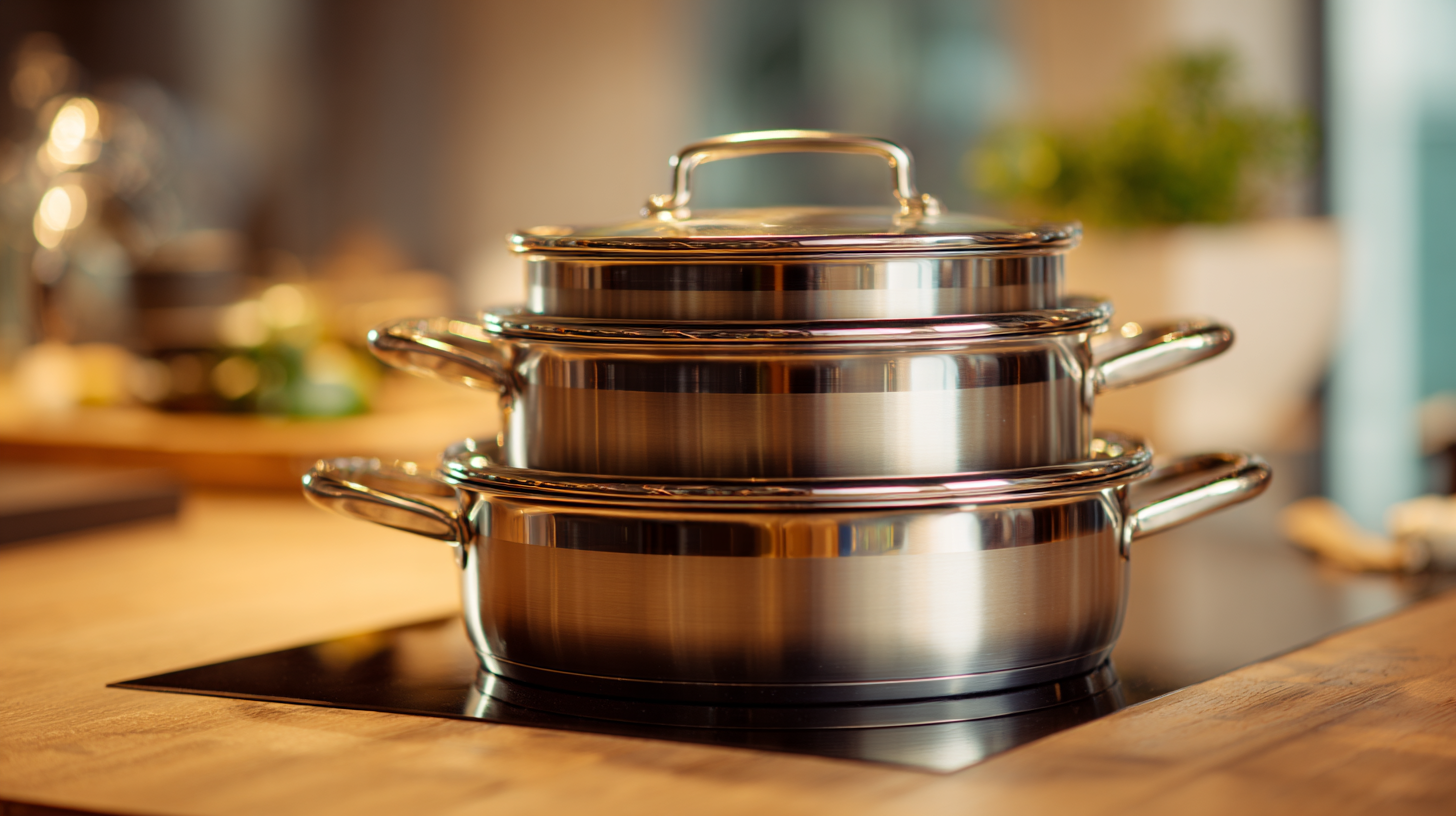
2025 Guide: How to Choose the Perfect Tri-Layer Saucepan for Your Kitchen

This Tri-Layer Saucepan, which combines different metals for better heat distribution and cooking efficiency, has become pretty popular—not just among professional chefs but also for us home cooks. According to Grand View Research, stainleSs Steel cookware—especially those with tri-layer construction—is projected to grow at a compound annual rate of about5.6% from 2023 to 2030. That shows folks are really looking for stuff that works well and holds up over time, making the Tri-Layer Saucepan a go-to pick.

In this guide, we’re going to walk through everything you need to know to pick the perfect Tri-Layer Saucepan for your kitchen. From understanding what goes into the construction to picking features that boost your cooking game, we’ll share some fresh insights backed by industry data—so you can feel confident about your investment and make smarter choices for your cooking setup.

Key Features to Look for in a Tri-Layer Saucepan

When selecting the perfect tri-layer saucepan for your kitchen in 2025, understanding key features is paramount to making an informed decision. Tri-layer construction typically involves a core of aluminum or copper sandwiched between layers of stainless steel. This design enhances heat distribution and retention, vital for cooking precision. According to the Cookware Manufacturers Association, 76% of professional chefs prefer tri-layer cookware due to its ability to facilitate even cooking and minimize hot spots, which can lead to unevenly cooked meals.

Another critical aspect to consider is the compatibility with various cooktops. As noted in a recent industry report by the Kitchenware Industry Research Institute, nearly 65% of consumers now utilize induction cooktops. Therefore, ensuring that your tri-layer saucepan is induction-compatible is essential for versatile kitchen use. Additionally, look for features like ergonomic handles, which not only provide comfort but also improve maneuverability during cooking. The right choice of metal gauge can also impact durability and performance; opting for a heavier gauge ensures longevity and resistance to warping over time, characteristics that about 70% of buyers deem essential in high-quality cookware.
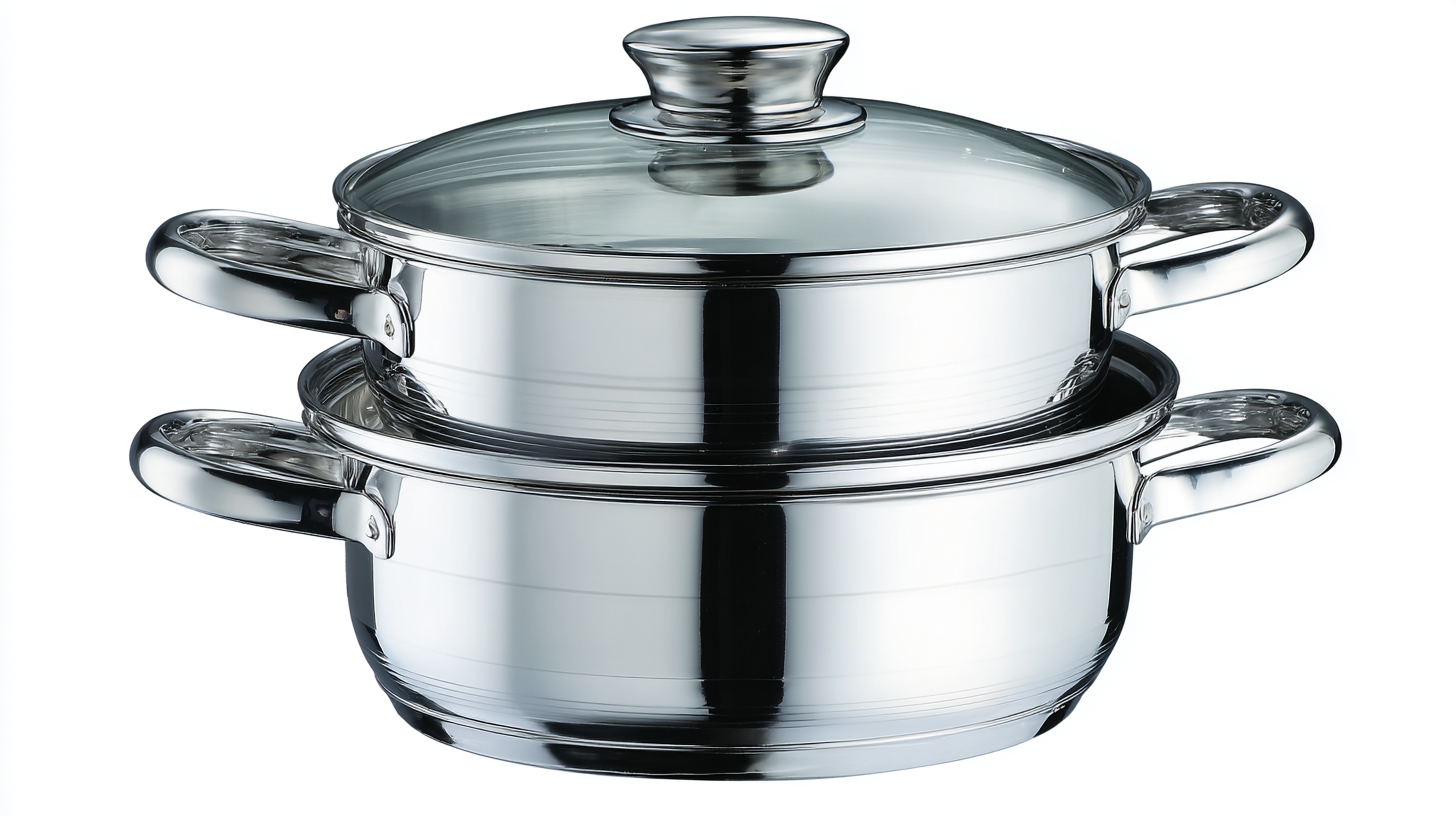
2025 Guide: How to Choose the Perfect Tri-Layer Saucepan for Your Kitchen

Material Guide: Stainless Steel vs. Other Options

When choosing the perfect tri-layer saucepan for your kitchen in 2025, the material significantly influences your cooking experience. Stainless steel is a standout choice among various options due to its durability, non-reactive nature, and heat distribution capabilities. Unlike other materials, stainless steel doesn't leach harmful chemicals into food, making it a safe choice for health-conscious cooks. Additionally, its resistance to scratching and staining ensures that your saucepan retains its aesthetic appeal over time.

On the other hand, alternatives like non-toxic ceramic and cast iron also offer unique benefits. Ceramic cookware is known for its excellent heat retention and easy cleanup, while cast iron provides superior heat retention and an ability to develop a natural non-stick surface when properly seasoned. Each material has its strengths and weaknesses, so understanding their properties will help you make an informed decision that suits your cooking style and safety requirements. Whether you prioritize longevity or ease of maintenance, the right material will enhance your culinary adventures.

Size Matters: Choosing the Right Capacity for Your Needs

When selecting a tri-layer saucepan, size is a crucial factor that can significantly impact your cooking experience. A saucepan's capacity should align with your cooking habits, the number of people you typically serve, and the types of meals you frequently prepare. For individuals or small families, a 1.5 to 3-quart saucepan is often sufficient for everyday tasks like making sauces or heating soups. In contrast, larger families or those who like to meal prep may benefit from a 4-quart or larger variety, allowing for batch cooking and accommodating bigger recipes.

**Tips:** Consider your kitchen storage as well; a larger pot may be fantastic for cooking but could become cumbersome if it doesn't fit your storage space. It's also wise to think about versatility; a medium-sized saucepan can often handle a wider range of tasks than a larger one, from boiling pasta to steaming vegetables. Investing in a saucepan that can handle multiple tasks will not only save you space but also streamline your cooking process.

Heat Distribution: Why It's Crucial for Cooking Performance

When selecting the ideal tri-layer saucepan for your kitchen, understanding heat distribution is paramount for achieving optimal cooking performance. Tri-layer construction typically consists of an aluminum core sandwiched between two layers of stainless steel. This design ensures that heat is efficiently and evenly distributed across the cooking surface, minimizing hot spots that can lead to uneven cooking. Whether you’re simmering sauces or searing meats, consistent heat is essential for perfect results.

Moreover, the superior heat retention of tri-layer saucepans allows for more control during the cooking process, enabling chefs to execute delicate techniques with confidence. This is particularly crucial when preparing dishes that require precise temperature management, such as risottos or melting chocolate. A well-designed tri-layer saucepan not only enhances the cooking experience but also ensures that flavors meld beautifully, elevating the overall quality of your culinary creations.

2025 Guide: How to Choose the Perfect Tri-Layer Saucepan for Your Kitchen

Compatibility with Cooktops: What You Need to Know

When choosing the perfect tri-layer saucepan for your kitchen, it's essential to consider its compatibility with your cooktop, especially if you’re leaning towards induction cooking. Induction cooktops have gained popularity for their energy efficiency and faster cooking times, but not all cookware is suitable for this type of cooking. Induction relies on magnetic fields to heat up pots and pans, meaning your cookware must be made of materials like stainless steel or cast iron that can interact with these magnetic fields.

Understanding the materials of your tri-layer saucepan is crucial. While many high-quality options can work on induction cooktops, ensuring that the base is magnetic is a key factor. Check if the manufacturer indicates induction compatibility or perform a simple magnet test at home. This step ensures that you avoid investing in cookware that won't work with your cooktop.

As you explore options, prioritize durability and heat distribution in addition to compatibility, as these factors contribute significantly to your cooking experience.

Care and Maintenance Tips to Extend Your Saucepan's Lifespan

When it comes to maintaining the longevity of your tri-layer saucepan, proper care is essential. First and foremost, always use utensils made of silicone, wood, or plastic to avoid scratching the non-stick surface. Metal utensils can leave permanent marks that may damage the cooking surface over time. After use, allow your saucepan to cool down before washing it, as sudden temperature changes can warp the material.

Regularly inspect the saucepan for any signs of wear or damage. If you notice any scratches or dents, consider replacing the piece to ensure your cooking remains safe and efficient. It's also vital to wash your tri-layer saucepan with mild dish soap and a soft sponge. Avoid abrasive cleaners and scrubbing pads that can degrade the surface. Once clean, dry your saucepan thoroughly to prevent water spots and potential rusting in any exposed parts.

Finally, store your saucepan properly. If you stack your cookware, use cloths or pot protectors between layers to prevent scratching. Keeping your tri-layer saucepan in top condition not only extends its lifespan but also enhances your cooking experience, allowing you to enjoy its benefits for years to come.

2025 Tri-Layer Saucepan Care and Maintenance Tips

Enhancing Culinary Experiences: The Impact of Multi-layer Base Cookware on Cooking Efficiency and Food Quality

The culinary landscape continues to evolve, and one of the significant advancements in cooking efficiency and food quality is the introduction of multi-layer base cookware. Particularly, stockpots with a grid system, such as the 20 cm and 22 cm variants, are revolutionizing how home cooks and professional chefs alike approach their culinary tasks. According to a report by the American Institute of Baking, incorporating multi-layer base technology can enhance heat distribution by up to 30%, leading to more consistent cooking results and reducing the likelihood of hot spots that can ruin delicate dishes.

When it comes to preparing complex meals, the right cookware can make all the difference. Multi-layer base stockpots not only provide superior heat conduction but also promote energy efficiency, which is vital in today’s sustainability-conscious kitchen. The grids within these stockpots allow for steaming or simmering, enabling cooks to maximize flavor while retaining essential nutrients in food. Research indicates that using steam cooking can preserve up to 50% more vitamins compared to boiling, thus contributing to a healthier dining experience.

Furthermore, the durability of multi-layer base cookware ensures that these products withstand the test of time, providing consistent performance over many years. This is particularly important in busy kitchens, where reliability is paramount. With robust construction and versatile usability, stockpots in sizes like 20 cm and 22 cm cater to a variety of cooking needs, from preparing stocks to boiling pasta, making them indispensable tools for anyone looking to enhance their culinary experiences.

FAQS

: Why is heat distribution important in cooking performance?

: Heat distribution is crucial because it ensures that heat is efficiently and evenly spread across the cooking surface, minimizing hot spots that can lead to uneven cooking.

What is the construction of a tri-layer saucepan?

A tri-layer saucepan typically consists of an aluminum core sandwiched between two layers of stainless steel, which helps in efficient heat distribution.

How does a tri-layer saucepan enhance cooking control?

The superior heat retention of tri-layer saucepans allows for better control during cooking, especially for delicate techniques requiring precise temperature management.

Can tri-layer saucepans help improve flavor melding in dishes?

Yes, a well-designed tri-layer saucepan enhances the cooking experience and ensures that flavors meld beautifully, improving the overall quality of culinary creations.

What should I consider regarding cooktop compatibility when choosing a tri-layer saucepan?

It is essential to consider whether the saucepan is compatible with your cooktop, especially for induction cooking, which requires cookware made from materials that can interact with magnetic fields.

How can I determine if my tri-layer saucepan is suitable for induction cooktops?

Check if the saucepan's base is magnetic or look for an indication of induction compatibility from the manufacturer. You can also perform a simple magnet test at home.

What materials are necessary for cookware to work with induction cooktops?

Cookware must be made from materials like stainless steel or cast iron that can interact with magnetic fields to work with induction cooktops.

Are all tri-layer saucepans compatible with induction cooking?

No, not all tri-layer saucepans are compatible with induction cooking; it's important to verify that the cookware has a magnetic base.

What additional factors should I prioritize when selecting a tri-layer saucepan?

In addition to compatibility, prioritize durability and heat distribution, as these significantly contribute to your cooking experience.

What kinds of cooking techniques benefit from using a tri-layer saucepan?

Techniques that require precise temperature management, like making risottos or melting chocolate, can greatly benefit from using a tri-layer saucepan.

Conclusion

When selecting the ideal Tri-Layer Saucepan for your kitchen, it's essential to consider several key features. Look for quality materials, such as stainless steel, which offers durability and superior heat conductivity compared to other options. Size is another critical factor; ensuring the saucepan meets your cooking needs can enhance your culinary experiences. Additionally, understanding heat distribution is crucial as it significantly impacts cooking performance, preventing hot spots and ensuring even cooking.

Compatibility with various cooktops is also vital, as not all saucepans work seamlessly on every stovetop type. Finally, proper care and maintenance can greatly extend the lifespan of your Tri-Layer Saucepan, allowing you to enjoy its benefits for years to come. At Chaozhou Chaoan Weihua Hardware and Electrical Appliances Co., Ltd., we are committed to supporting our customers in making informed choices that enhance their cooking experience, reflecting our dedication to quality and customer satisfaction.
Sophia

Sophia

Sophia is a dedicated marketing professional at Weihua Hardware Electric Co., Ltd., located in Chaoan District, Chaozhou City. With a deep passion for the hardware and electrical industry, she possesses extensive knowledge about the company’s product range, including high-quality electrical......
Previous Mastering Your Cooking Skills with a Complete Guide to Steel Pan Set Usage