Picking out the perfect Cookware Kitchen Set can really make a difference if you’re into cooking at home. Honestly, in the world of culinary arts, quality isn’t just a fancy word—it matters. The right set actually can upgrade your entire cooking game, making prep work easier and even boosting those flavors you’re after.
There are tons of brands that promise they’re the best, each with their own fancy lines. But, truth be told, not every Cookware Set out there actually hits those high standards we’re looking for. You’ll want to pay attention to materials—things like stainless steel and non-stick coatings each have their own pros and cons.
A really good set needs to be versatile. Look for sturdy pieces that can handle daily use without falling apart. Of course, some budget-friendly options might not last as long—so it’s a bit of a trade-off. Also, don't forget about comfort—yeah, the design of the Pots And Pans matters more than you might think. A comfy grip can make cooking so much easier and less frustrating.
So, take your time, weigh your options, and don’t rush into a purchase. Trust me, choosing the right cookware set is worth some extra thought—it’ll pay off in the long run.
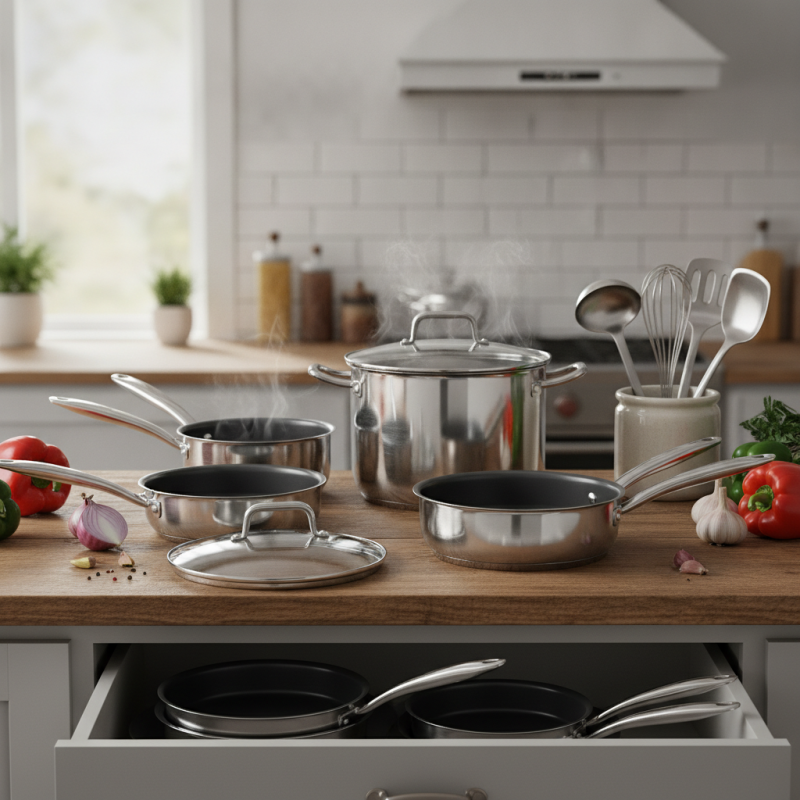
When choosing cookware, essential features can significantly impact cooking quality and enjoyment. A highly-rated study from the National Cooking Association reveals that 78% of home chefs prioritize non-stick surfaces for easy cleaning and food release. Non-stick materials, such as ceramic or PTFE, are excellent for everyday cooking, offering a seamless experience while minimizing the need for excess oils.
Material composition also matters. Stainless steel ensures durability and even heat distribution, making it a favorite among professional chefs. According to a report by the Culinary Institute, 63% of trained chefs advocate for stainless steel for its versatility. However, it's crucial to remember that all materials have limitations. For instance, while aluminum is lightweight and excellent for heat conduction, it may react with acidic foods. This can affect flavor and safety, an aspect that needs careful consideration.
Size and variety are often overlooked aspects. A versatile set typically includes various pot sizes and frying pans, which can accommodate diverse cooking methods. Yet, a comprehensive survey indicated that 52% of home cooks still rely on just a couple of favorite pieces. This highlights a common tendency to stick to familiar tools, even when more options could enhance their cooking experience. Balancing personal preferences with proper cookware selection is essential in leveling up culinary skills.
When choosing cookware, material matters. Different materials provide various benefits based on cooking techniques and desired outcomes. First, stainless steel offers durability and a non-reactive surface. It doesn't retain flavors, making it versatile. A Steel Kitchen Cookware Set is ideal for searing meats and sautéing vegetables. However, heat distribution is uneven, so knowing your stove helps.
Cast iron cookware is another option. It holds heat well and is perfect for frying. Seasoned cast iron also adds a unique flavor to dishes. Keeping it rust-free requires regular maintenance. If neglected, it can be tricky. Non-stick materials are convenient, but they scratch easily. Avoid using metal utensils. Knowing your cookware's limits is essential.
Ceramic cookware is gaining popularity for its aesthetic appeal and safety. It’s easy to clean and doesn’t react with acidic foods. However, it's less durable than stainless steel. Consider your cooking style when selecting materials. Each has pros and cons. Finding the right combination can improve your culinary experience.
When selecting cookware, quality and durability are paramount. Research from the U.S. Cooking Institute indicates that high-quality cookware can last up to 50% longer than cheaper alternatives. This means fewer replacements and less waste. Consumers gravitate toward options like stainless steel, cast iron, and non-stick varieties for their proven performance.
Using reliable cookware brands is essential for a successful culinary experience. Not all brands are created equal, however. A survey by Home Chef Magazine revealed that 80% of home chefs prioritize durability in their cookware choices. Many novice cooks may overlook the importance of heavy gauge materials, which can significantly impact heat retention and cooking results.
Personal experience is also invaluable. Many chefs note that even premium cookware can experience wear over time. Regular maintenance is key, but few understand how to care for cast iron properly. Missteps in seasoning can lead to a less effective cooking surface. This calls for reflection on how essential knowledge of materials impacts overall cooking satisfaction.
When investing in cookware sets, budget considerations are crucial. It's tempting to go for the cheapest option. However, low-cost cookware can lead to poor performance and a frustrating cooking experience. Quality materials conduct heat evenly, essential for perfect meals. Sustainability matters too; durable cookware lasts longer, reducing waste.
It's vital to recognize the Difference Between Kitchen Equipment And Kitchen Utensils. Equipment often comes at a higher price but is built to endure rigorous use. Utensils, while essential, typically require less financial commitment. Finding a balance between cost and quality means prioritizing the right pieces for your cooking style. Some items can be splurged on, while others can be more economical.
Diving deeper into the cookware market reveals a range of options. Many tools can perform multiple tasks, enhancing versatility. Yet, it's essential to reflect on whether we really need that gourmet set. A well-curated collection often suffices. Investing in key pieces could elevate your cooking without overspending. Choose wisely, and enjoy the process of building your kitchen arsenal.
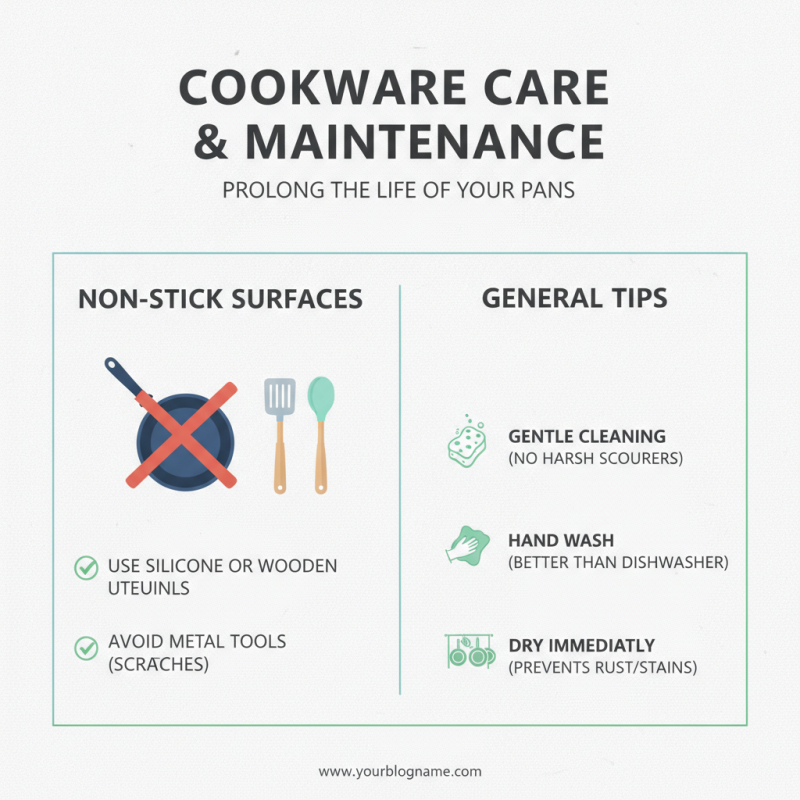
Taking care of your cookware is essential for ensuring it lasts a long time. Different materials require specific care to maintain their performance. For instance, non-stick surfaces can scratch easily. Always use silicone or wooden utensils when cooking. Avoid metal tools to prevent damaging the coating.
Cleaning your cookware properly is another vital aspect. Handwashing is often better than using a dishwasher. Harsh detergents can wear down surfaces. A gentle scrub with warm soapy water is usually enough. For tough stains, baking soda can work wonders. Just make a paste and apply it gently.
Storage is also crucial. Stack your pots and pans carefully, using soft cloths between them to avoid scratches. Hanging pots is a great way to save space and keeps them within easy reach. Make sure your storage area is dry to prevent rusting, especially for cast iron pieces. Regularly inspect your cookware for any signs of wear. This simple check can help you prevent bigger issues down the line. Treating your tools with care leads to better cooking experiences.
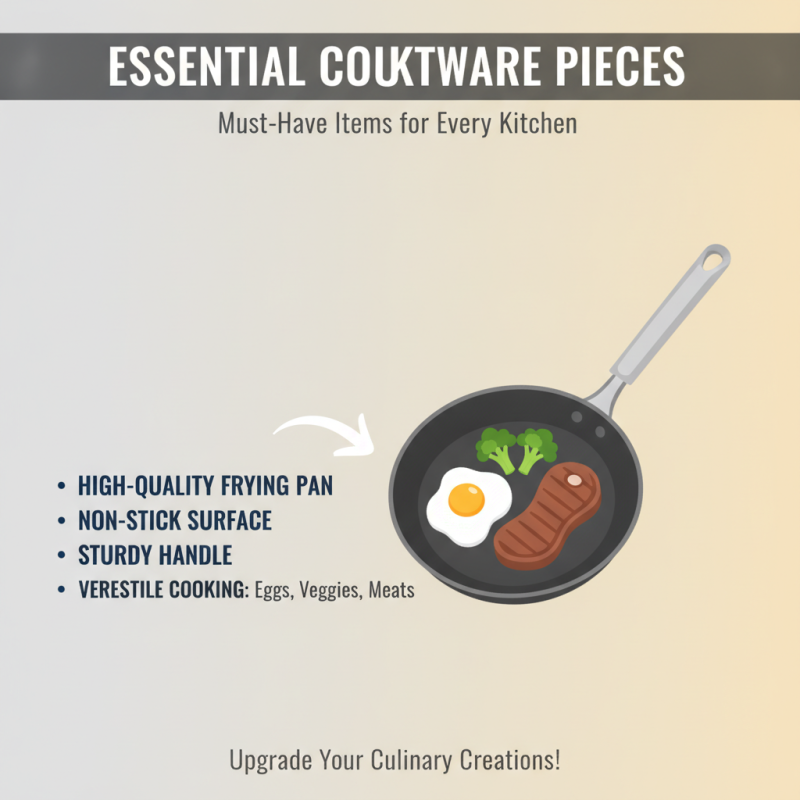
When creating an efficient kitchen, certain essential cookware pieces are unavoidable. A high-quality frying pan, for instance, is indispensable for frying eggs, sautéing veggies, or searing meat. The right pan can make a difference in flavor and texture. Look for one with a sturdy handle and a non-stick surface.
Another must-have is a versatile saucepan. This kitchen item shines when boiling pasta or making sauces. Choose one with a tight-fitting lid, as it can enhance cooking efficiency and reduce energy use. Additionally, a robust stockpot is crucial for hearty soups and stews. Its larger capacity allows for batch cooking, saving time later.
Don't overlook the importance of basic kitchen tools. A solid cutting board and a set of sharp knives are vital kitchen items. Without them, food prep can become tedious and unsafe. Remember to keep your knives sharp for ease of use. Reflect on your cooking habits to identify any gaps in your kitchen items. Perhaps a baking sheet or a sturdy mixing bowl has been neglected. Every home chef can benefit from investing in these key cookware pieces.
Upgrading your kitchen can significantly enhance your cooking experience. Knowing when to invest in a new cookware set is crucial for any home chef. If your current pots and pans show signs of wear, like scratches or uneven heating, it's time for an upgrade. Quality cookware influences your food's flavor and texture.
When choosing a new cookware set, consider durability and heat retention. Look for materials that withstand daily use. Sometimes, people overlook essential kitchen utensils, assuming they can make do with outdated options. This approach often leads to frustration during meal prep.
Investing in the right kitchen utensils can transform your culinary landscape. It’s not just about aesthetics; practical tools promote efficiency and creativity in the kitchen. Upgrading can feel overwhelming. Balancing budget and quality is challenging. However, making thoughtful choices empowers you as a chef and enhances the overall cooking experience.
: Non-stick surfaces are essential for easy cleaning. Many home chefs prefer them for better food release.
Materials affect durability and heat distribution. Stainless steel is known for its versatility and even heating.
Yes, aluminum can react with acidic foods, impacting flavor and safety. Consider this before cooking with it.
A versatile set includes various sizes of pots and pans. This variety enhances diverse cooking methods.
Upgrade if pots show wear or uneven heating. Quality cookware impacts the food's flavor and texture.
Efficient tools promote creativity and streamline meal prep. Outdated utensils can lead to frustration during cooking.
Thoughtful choices are key. Prioritize durability and functionality over aesthetics to improve your cooking experience.
Yes, 52% of home cooks stick to familiar tools. Exploring more options could enhance culinary skills.
A comprehensive guide to selecting the best Cookware Kitchen Set emphasizes essential features that cater to home chefs. Understanding various material options, such as stainless steel, non-stick, and cast iron, helps in determining which cookware best suits individual cooking styles and preferences. The article outlines key considerations for choosing cookware, including durability, budget, and necessary maintenance to ensure longevity.
Additionally, it highlights must-have cookware pieces that every kitchen should have, such as pots, pans, and specialized cooking tools. It also offers advice on when to upgrade your cookware set, balancing cost and quality to find the right fit for your culinary needs. This guide serves as a valuable resource for both novice and experienced home chefs looking to enhance their kitchen capabilities with the right cookware kitchen set.