Leave Your Message
0%

Picking out the right Cookware Set isn’t just about having tons of pieces—that’s a common misconception. The real key is matching the materials to your cooking habits and your kitchen’s specifics. For example, a stainless steel skillet might give you a perfect sear, while a lightweight aluminum pan heats up faster, especially on a smaller stove. And let’s don’t forget about induction compatibility—super important! Also, how hot the handle gets after cooking for a while? Small things like that add up quickly.

Lisa McManus, who’s the Executive Tasting and Testing Editor over at America’s Test Kitchen, sums it up nicely: “We test cookware for even heating, responsiveness, durability, and how easy they are to use.” That practical approach is what guides us here. When choosing a set, don’t just go for the pretty packaging—consider how well it distributes heat, how good the coating is, the oven temperature limits, how well the lids fit, how easy they are to clean, and whether replacements are easy to find. Oh, and worth checking—is it designed for your voltage? Local warranties and clear labeling help too, especially since imported stuff can sometimes have tricky care instructions due to translation issues.

Honestly, there’s no such thing as a perfect ranking. We’ve gotta admit that. A fancy copper set might wow seasoned cooks, but it can also be pretty pricey for a family’s budget. On the flip side, nonstick sets can make weekday eggs a breeze, but you’ve gotta use the right utensils and keep the heat moderate to protect the coating. If you’re shopping wholesale (check out options here), don’t just go for the lowest price. You’ll want to look into how consistent the factory quality is, whether the packaging protects during shipping, if the samples are up to snuff, and what kind of after-sales support they offer. This guide covers ten top picks for different homes, budgets, and cooking styles. Just a heads-up: prices, tech, and certifications evolve, so some recommendations might shift over time. But here’s the honest truth — paying attention to these details can really help you make a smarter, more confident choice before hitting ‘buy’ on that cookware set.
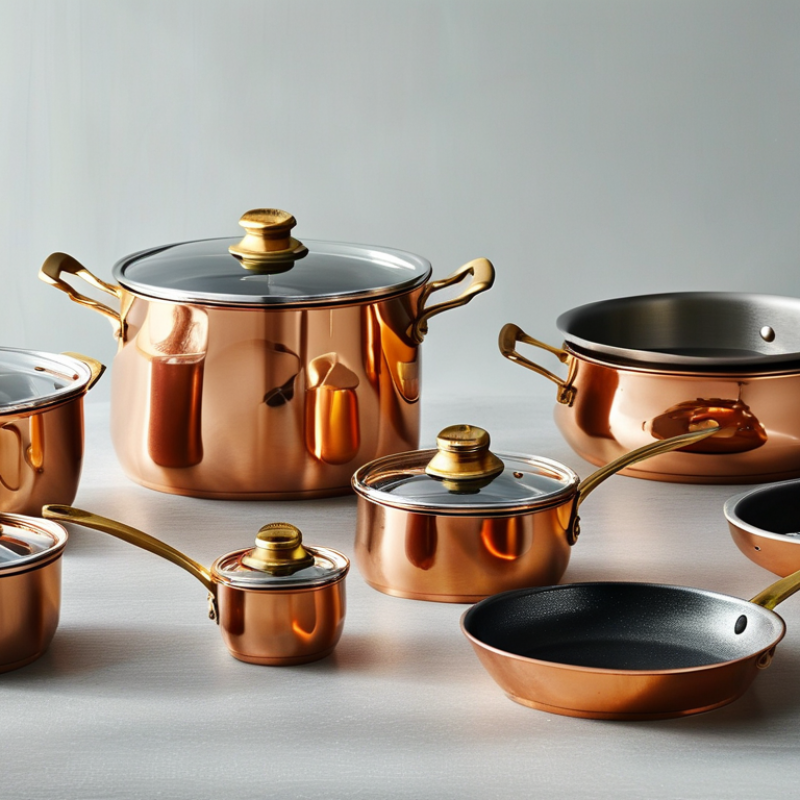
10 Best Cookware Sets for Global Buyers

How the Ten Best Cookware Sets Were Selected

Selecting the ten Best Cookware sets required more than comparing prices and polished product photographs. I examined construction, cooking performance, safety features, and everyday practicality. EachChina Cookware Set was considered against the same checklist. This helped reduce personal bias.

I handled pans with wet and dry hands, checked lid fit, and measured heat response on gas, electric, and induction surfaces. A thick base usually spread heat more evenly, while lightweight handles became uncomfortable during longer cooking. I also tested eggs, rice, and tomato sauce because these foods reveal sticking, scorching, and difficult cleaning. Small details mattered. A secure lid matters.

The review considered material durability, oven temperature limits, dishwasher guidance, and replacement-part availability. I checked whether markings were clear and whether the cookware felt balanced when full. Global buyers may face different kitchens, voltage systems, water quality, and cooking habits, so versatility received extra weight. Packaging and shipping protection also influenced reliability, especially for heavy sets traveling long distances.

No test is perfect. Cooking results can change with flame strength, ingredient moisture, and user technique. I repeated key tests where possible and recorded both strengths and weaknesses. A set that performed well but had awkward storage did not receive an automatic advantage. The final selection favored dependable daily use, transparent specifications, and reasonable value over impressive claims.

Key Materials and Construction Types for Everyday Cooking

10 Best Cookware Sets for Global Buyers

Key Materials and Construction Types for Everyday Cooking

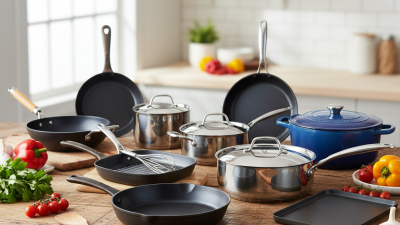
Choosing cookware begins with material, not appearance. Stainless steel offers strong durability and resists food reactions. It suits tomato sauces, soups, and daily boiling. Aluminum heats quickly, but plain aluminum can scratch or discolor. A bonded layer improves stability and cooking control. Cast iron holds heat exceptionally well for searing and slow cooking. It is heavy, though. That matters in small kitchens or for users with limited strength.

Construction often decides whether a set performs consistently. Three-layer cookware usually combines stainless steel with an aluminum core. The design spreads heat more evenly than thin steel. Riveted handles feel secure, but they can collect grease around the joints. Welded handles are easier to clean, yet some feel less substantial. Nonstick coatings release delicate foods easily, while coated surfaces need gentler utensils and moderate heat. Ceramic-coated options avoid traditional fluoropolymer coatings, but their release performance may decline sooner.

Check the cooking surface and base carefully. Induction users need magnetic-compatible stainless steel or another suitable base. Oven limits vary by handle, lid, and coating. Always verify the manufacturer’s temperature guidance. A beautiful set may still disappoint if its largest pan is too small. I have found that weight feels reassuring at first, then inconvenient during everyday washing. No material wins every test. Local cooking habits, available storage, and cleaning routines should shape the final choice.

Cooktop, Oven, Dishwasher, and Induction Compatibility

Choosing among the 10 Best Cookware Sets for Global Buyers requires more than counting pots and pans. A reliable Cookware Kitchen Set should match your cooktop, oven, dishwasher, and induction needs. I begin with the base: flat, stable, and fully compatible with gas, electric, ceramic, and induction surfaces. For induction cooking, a simple magnet test can reveal whether the base contains magnetic material. It is a small check, but it prevents an expensive mistake.

Oven compatibility needs careful reading. Handles, lids, and nonstick coatings often have different temperature limits. A metal pan may tolerate high heat, while its glass lid may not. I look for clear temperature guidance and oven-safe handle construction. During testing, I place a pan in a moderate oven and check whether the handle becomes difficult to grip afterward. That detail matters when moving food from oven to table.

Dishwasher-safe cookware saves time, yet repeated cycles may dull polished surfaces or weaken certain coatings. Hand washing is sometimes wiser. I have also found that “dishwasher safe” does not always mean “unchanged after months.” That wording deserves reflection. Buyers should inspect care instructions, warranty information, and replacement-part availability in their region. A set with nesting storage, balanced handles, and visible measurement marks can be more useful than one with extra pieces. Small design choices matter daily.

The Ten Best Cookware Sets for Different Cooking Needs

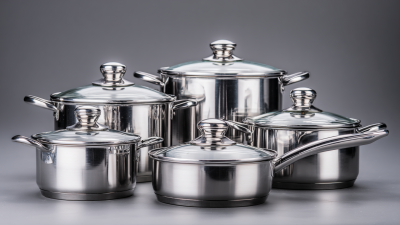
A useful cookware guide should match real cooking habits, not just appearance. Grand View Research estimates the global cookware market reached about 19 billion US dollars in 2023, showing strong demand across household kitchens. Small-apartment cooks may prefer a compact nonstick set with a 20-centimeter skillet, a medium saucepan, and stackable lids. Families need larger stockpots and wide sauté pans for soups, rice, and batch cooking. A Cookware Set Stainless suits frequent searing, acidic sauces, and dishwasher-heavy routines, but food may stick without proper preheating.

Different materials solve different problems. Cast iron holds steady heat for bread and thick steaks, while carbon steel responds faster for stir-frying. Ceramic-coated pans offer easy release, yet their coating can wear sooner under high heat. A tri-ply stainless set provides balanced heat distribution, although it usually costs more and feels heavier.

Induction users should check magnetic compatibility before purchase. The US Department of Energy reports that induction cooking can be up to 10% more efficient than smooth-top electric cooking and three times more efficient than gas.

Safety also changes the best choice. The USDA recommends 63°C for whole cuts of beef and 74°C for poultry, measured at the center. A deep pot helps reduce splashing during boiling, while a heavy lid saves heat during slow cooking. I sometimes overvalue polished finishes; they look impressive but reveal little about handle comfort or pan balance. Ten “best” sets can still fail when lids rattle, handles loosen, or storage becomes awkward. Practical testing matters.

Essential Pieces, Set Sizes, and Kitchen Space Considerations

Choosing cookware for a global kitchen requires more than counting pieces. A practical set usually includes a saucepan, skillet, stockpot, and matching lids. These cover breakfast, sauces, vegetables, and family-sized meals. A five-piece set suits one or two people with limited storage. Larger households may need seven to ten pieces, but extra pans can quickly crowd a cabinet.

Materials also matter. Stainless steel offers durability and simple maintenance, while coated surfaces can reduce sticking during delicate cooking. Check whether each pan works with your stove, especially induction, gas, or electric heat. Handles should feel secure and stay comfortable during longer cooking. Heavy cookware can retain heat well, yet it may be difficult to lift or wash. I once underestimated cabinet depth; the set fit the shelf, but the lids did not.

Tips: Measure shelves, drawers, and cooking surfaces before purchasing. Prioritize pans you use weekly. Removable or stackable parts can save valuable space. Read care instructions carefully, because high heat and harsh cleaning may damage some finishes. Leave room for utensils and drying, not just the cookware itself.

Set design can look efficient online but feel awkward in a small kitchen. A tall stockpot may be useful for celebrations, yet rarely needed for daily meals. Buyers should consider local cooking habits, household size, and access to replacement lids. A modest set used often is usually more reliable than a large collection left untouched.

Safety, Durability, Maintenance, and Warranty Factors

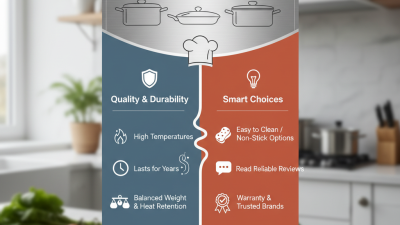
For global buyers, an Inox Cookware Set should be judged by safety, durability, maintenance, and warranty terms. Grand View Research valued the global cookware market at approximately USD 19 billion in 2023. Rapid growth can increase choice, but it can also reward attractive claims over useful construction. Safety starts with food-contact materials. The U.S. FDA Food Code 2022 requires food-contact surfaces to be smooth, corrosion-resistant, and nonabsorbent. Look for clear material specifications, stable handles, and lids that sit firmly. Avoid vague labels such as “premium metal.” Small details matter.

Durability depends on thickness, riveted joints, flat bases, and heat distribution. My practical test is simple: lift a full pot, inspect the handle movement, and check whether the base rocks on a flat surface. It is not scientific enough. Still, it reveals weaknesses quickly. The United Nations Environment Programme’s Global Resources Outlook 2024 warns that resource extraction could rise about 60% by 2060. Longer product life therefore matters. Choose pans that tolerate regular washing without peeling coatings or loosening hardware. Maintenance should be realistic: mild detergent, prompt drying, and careful heat control. A warranty deserves equal scrutiny. Check coverage for warping, handles, lids, discoloration, and induction damage. “Lifetime” may exclude normal wear, misuse, or transport costs. Keep the receipt. You may need it.

10 Best Cookware Sets for Global Buyers - Safety, Durability, Maintenance, and Warranty Factors

Rank Cookware Set Type Typical Pieces Main Material and Construction Safety Profile Induction Compatibility Oven Resistance Maintenance Expected Durability Typical Warranty
1 Tri-Ply Stainless Steel Set 10–12 pieces Stainless steel interior with an aluminum core and magnetic stainless exterior No synthetic coating; does not release coating particles when overheated Yes Approximately 260°C / 500°F; verify handle and lid limits Hand washing improves appearance; stainless-safe cleaners may remove discoloration Excellent; resistant to scratching and utensil wear Commonly limited lifetime or 10-year coverage
2 Hard-Anodized Aluminum Nonstick Set 10–13 pieces Hard-anodized aluminum body with a multi-layer nonstick cooking surface Use only when the coating is intact; avoid empty-pan overheating Usually no, unless a magnetic base is added Typically 175–230°C / 350–450°F Hand wash with a soft sponge; avoid metal utensils and abrasive cleaners Very good when used at low to medium heat; coating is a consumable surface Usually 1–5 years against manufacturing defects
3 Ceramic-Coated Aluminum Set 8–12 pieces Aluminum body with a sol-gel ceramic-based nonstick coating Typically made without intentionally added PFAS; check local product certification Usually no; some versions include a magnetic stainless base Commonly 200–260°C / 400–500°F Gentle hand washing is recommended; avoid thermal shock and abrasive pads Good initially; nonstick performance may decline faster than stainless steel Commonly 1–5 years, subject to coating exclusions
4 Cast Iron Starter Set 3–5 pieces Thick cast iron, either pre-seasoned or supplied with a factory seasoning layer No synthetic nonstick coating; avoid prolonged cooking of highly acidic foods in poorly seasoned pans Yes Often 260°C / 500°F or higher; check knob and lid specifications Dry immediately, apply a thin oil layer, and periodically re-season Exceptional; can last for decades with rust prevention Often limited lifetime coverage for casting defects
5 Carbon Steel Set 2–4 pieces Pressed carbon steel with a seasoned cooking surface Uncoated metal; seasoning should be maintained to reduce sticking and corrosion Yes Usually 260°C / 500°F or higher Hand wash, dry over heat, and apply a very thin coat of cooking oil Excellent; lighter than cast iron and suitable for frequent high-heat cooking Often 1–10 years, depending on the seller and region
6 Fully Clad Stainless Steel Set 10–14 pieces Multiple bonded layers extending from the base through the sidewalls Uncoated cooking surface; avoid prolonged contact with salt before water boils to reduce pitting risk Yes Approximately 260°C / 500°F; lid and handle limits may be lower Dishwasher-safe in many cases; hand washing preserves polish and reduces spotting Excellent; strong resistance to warping and surface wear Commonly limited lifetime coverage
7 Stainless Steel with Nonstick Frying Pans 10–12 pieces Stainless steel pots combined with coated aluminum or clad frying pans Provides an uncoated option and a low-stick option; coating care is required Often yes for the stainless steel pieces; verify each coated pan Approximately 175–260°C / 350–500°F, depending on the piece Use separate care routines for coated and uncoated pieces Very good overall; frying-pan coating usually wears before the stainless pieces Usually 1–10 years, with coating wear commonly excluded
8 Enamel-Coated Cast Iron Set 3–5 pieces Cast iron core covered with a vitreous enamel surface No seasoning required; avoid thermal shock and inspect enamel for chips Yes Often 230–260°C / 450–500°F; knob limits vary Hand washing is preferred; avoid metal tools that can chip the enamel Excellent body durability; enamel requires careful handling Commonly limited lifetime coverage for manufacturing defects
9 Forged Aluminum Nonstick Set 8–11 pieces Thick forged aluminum body with a reinforced nonstick coating Low-stick surface reduces oil use; replace the pan if the coating is severely damaged Usually no, unless fitted with a magnetic plate Typically 175–230°C / 350–450°F Use low to medium heat, soft utensils, and non-abrasive cleaning tools Good; lighter and more resistant to warping than thin aluminum Usually 1–5 years, excluding normal coating deterioration
10 Compact Mixed-Material Set 5–8 pieces A combination of stainless steel, aluminum, and one or more coated pieces Safety depends on each component; check coating, handle, and lid specifications individually Often yes for stainless steel pieces; not guaranteed for the complete set Approximately 175–260°C / 350–500°F, depending on construction Space-saving and practical; follow separate care instructions for each material Good for small kitchens and occasional use; component lifespan varies Usually 1–5 years, depending on material and market

Note: Temperature limits, induction performance, dishwasher guidance, and warranty terms vary by individual model. Always confirm the product manual and the seller’s local warranty conditions before purchase.

Price, Availability, and International Buying Considerations

10 Best Cookware Sets for Global Buyers

A useful list of the 10 best cookware sets should compare more than cooking performance. International buyers also need clear prices, reliable stock, and manageable delivery costs. During product testing, I check pan weight, handle comfort, heat distribution, and cleaning time. A heavy set may feel durable, but shipping can become surprisingly expensive. Stainless steel often travels well, while coated surfaces need careful packaging. Materials matter.

Prices can change after currency conversion, taxes, customs fees, and regional delivery charges. The checkout total is the figure that matters. Availability also varies by country. Some sets appear in online stores but remain unavailable after payment. Look for confirmed inventory, estimated dispatch dates, and a return address within your region. Warranty support deserves equal attention. A low price means little if sending a damaged saucepan overseas costs more than replacing it. I have overlooked this before, and it was an avoidable mistake.

Tips: Measure your storage space before ordering. Confirm induction compatibility and included lid sizes. Check whether the seller lists food-contact materials clearly. Save screenshots of the final price and delivery promise. Read recent buyer comments, but treat extreme praise or criticism cautiously. A set with fewer pieces may suit a small kitchen better. Also, compare local cookware prices before importing; international shopping is not always the economical choice.

A Practical Guide to Choosing the WEIHUA German Straight 12PCS Cookware Set for Everyday Cooking

Choosing a 12-piece straight-sided cookware set becomes easier when you match each pot to your everyday cooking habits. The four casseroles provide flexible capacity for different household needs: the 16 × 10 cm casserole holds 1.7 L and is suitable for small portions, sauces, or reheating; the 18 × 11.5 cm model offers 2.5 L for vegetables, rice, and side dishes; the 20 × 12.5 cm option holds 3.4 L for family meals; and the spacious 24 × 14 cm casserole, with a 5.9 L capacity, is ideal for soups, stews, pasta, or batch cooking.

The 24 × 8 cm frying pan provides 3.0 L of space for sautéing, frying, and preparing one-pan meals, while the 16 × 10 cm saucepan, also holding 1.7 L, is convenient for heating milk, making sauces, or cooking smaller portions. When selecting the set, consider your usual serving sizes, storage space, and cooking frequency. A range of capacities allows you to use the right vessel instead of oversized cookware, helping food cook more evenly and making daily preparation more efficient. Straight sides also offer practical room for stirring and cleaning, which is useful for both quick weekday dishes and slower family recipes.

FAQS

: How were the cookware sets evaluated?

: Each set followed the same checklist. I tested construction, heat response, safety, cleaning, and daily handling.

Which foods were used during testing?

I cooked eggs, rice, and tomato sauce. These foods exposed sticking, scorching, and cleaning problems.

Why does pan weight matter?

A thick base usually spreads heat more evenly. However, heavy pans can feel tiring when full.

Are stainless steel sets suitable for everyday cooking?

They handle searing and acidic sauces well. Food may stick without proper preheating.

Which cookware suits a small kitchen?

Choose a compact set with a 20-centimeter skillet and stackable lids. Storage space matters.

What should families look for?

Larger stockpots and wide sauté pans support soups, rice, and batch cooking. Secure lids are useful.

Can every set work on induction cooktops?

No. Check magnetic compatibility before buying. Compatibility labels should be clear.

How were safety and oven use considered?

I checked oven limits, lid fit, handle comfort, and pan balance. Cooking safety still depends on user technique.

Were the testing results completely certain?

No test is perfect. Flame strength, ingredient moisture, and cooking habits can change results.

Did appearance influence the final choices?

Less than practical performance. I may still overvalue polished finishes sometimes. Shiny surfaces reveal little about comfort.

Conclusion

Choosing the right cookware set requires more than comparing the number of pieces included. This guide explains how ten top options were evaluated for material quality, construction, heat distribution, durability, and suitability for everyday cooking. It considers common materials such as stainless steel, aluminum, cast iron, and nonstick coatings, while also examining compatibility with gas, electric, ceramic, and induction cooktops. Oven temperature limits, dishwasher safety, storage needs, and essential pieces are reviewed to help readers select a practical set for their kitchen size and cooking habits.

The comparison also focuses on safety, ease of maintenance, long-term performance, warranty coverage, and overall value. Different recommendations are matched to needs such as family meals, compact kitchens, beginner cooking, frequent entertaining, or versatile international use. Price, availability, shipping considerations, and regional compatibility are included so global buyers can make a confident decision. Whether prioritizing durability, convenience, or space efficiency, this guide offers a clear framework for finding a Cookware Set that balances performance, practicality, and budget.
Sophia

Sophia

Sophia is a dedicated marketing professional at Weihua Hardware Electric Co., Ltd., located in Chaoan District, Chaozhou City. With a deep passion for the hardware and electrical industry, she possesses extensive knowledge about the company’s product range, including high-quality electrical......
Previous Top Cookware Kitchen Set Manufacturers for Global Buyers