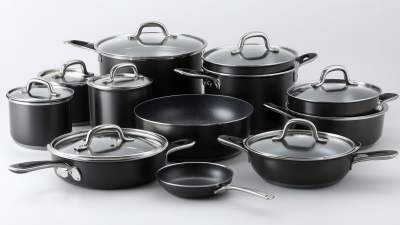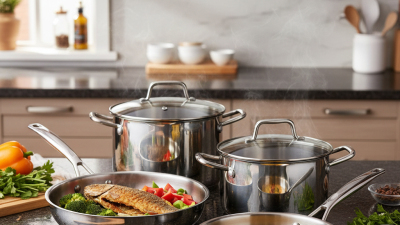
Picking out the right Kitchen Pans can really make a difference in your cooking. Whether you're sautéing some veggies or letting a sauce simmer, the pans you use actually matter. Every cooking style tends to need a different kind of pan, and let’s be honest — not every pan is a perfect fit for every chef. Finding that sweet spot can sometimes feel like a bit of a hassle.
A lot of folks tend to overlook the subtle differences between kitchen equipment and utensils, but honestly, knowing the difference is pretty important. Good Quality Pans are a game-changer when it comes to making your meals just right. From non-stick frying pans to cast iron skillets, each type has its own perks. And trust me, the right pan can totally lift your dishes from okay to amazing.
It’s also worth thinking about your own cooking style. Sometimes, we stick to what we know—using the same old pan—even if it’s not the best fit. Trying out new options might actually lead to better results than you’d expect. Take some time when shopping for kitchen pans; it’s totally worth it. You might end up discovering a pan that totally changes how you cook and makes the whole process more fun and rewarding.
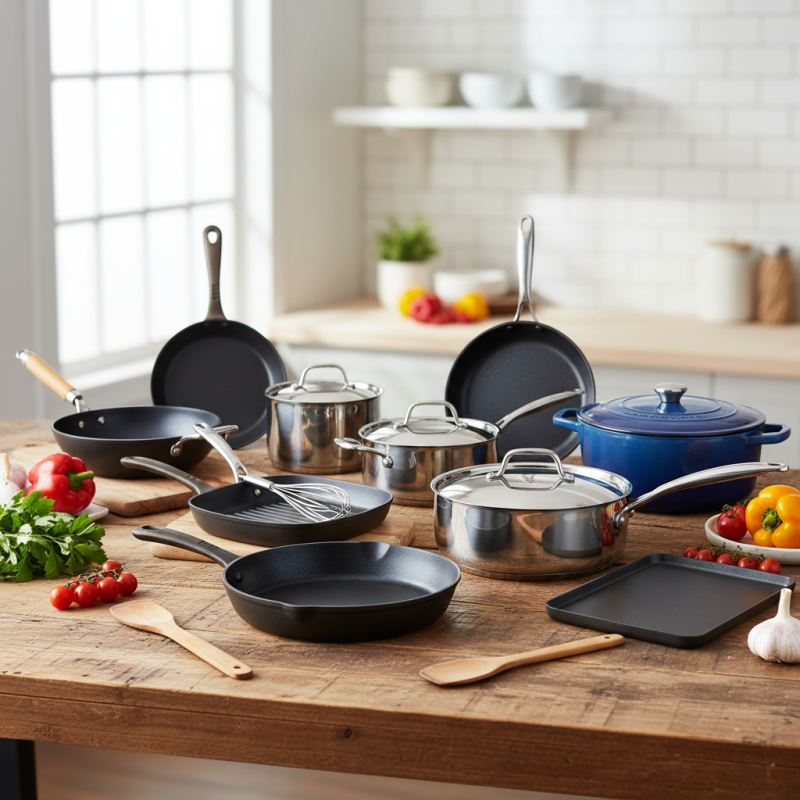
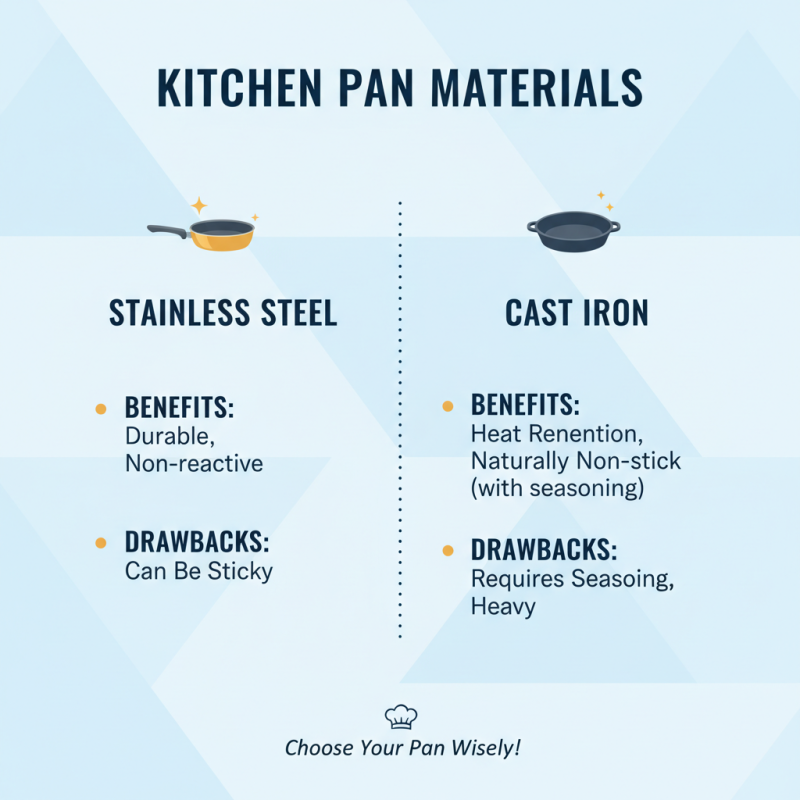
Choosing the right material for kitchen pans can greatly affect your cooking experience. Each type of material has its own benefits and drawbacks. For instance, stainless steel is durable but can be sticky if not used correctly. Cast iron, known for heat retention, requires regular seasoning to maintain its non-stick surface. Some might find maintaining cast iron tedious, which is a common concern among cooks.
Non-stick pans offer convenience. They make cooking and cleanup easier. However, they can wear out quickly and may not withstand high temperatures. It’s essential to consider how often you cook when deciding. If you’re a daily chef, investing in high-quality options is wise. Yet, it's also valid to question whether the easy route is the best for developing cooking skills.
Experimenting with various kitchen items can broaden your culinary horizons. Each material can change how your food cooks. For example, copper pans provide excellent heat conductivity but are often higher maintenance. The struggle sometimes lies in finding the balance between ease and performance. Each cook's journey with kitchen items is unique, filled with highs and lows.
When it comes to cooking, non-stick pans are a favorite among home chefs. Their ability to prevent food from sticking while making cleanup a breeze is unmatched. According to recent industry research, more than 70% of culinary professionals prefer non-stick surfaces for everyday tasks. This statistic highlights the efficiency and convenience these pans provide in busy kitchens.
A quality non-stick pan can make a significant difference. They often come with enhanced coatings that resist scratches and promote durability. Studies show that a well-maintained non-stick pan can last up to five years longer than its inferior counterparts. However, it's essential to handle them with care. Even minor misuse can lead to a loss of non-stick properties. This is a common issue among those new to kitchen utensils.
Many cooks also face the dilemma of choosing the right type of non-stick coating. Some coatings may wear down quickly, while others may react with certain foods, affecting flavor. This variability emphasizes the need for research and careful selection. Investing time in understanding the different materials can pay off in the long run. Good kitchen utensils can be the difference between a smooth cooking experience and a frustrating one. Always ask yourself: am I making the right choice?
When it comes to cookware, heat conduction is key. Cast iron pans are known for their ability to retain and distribute heat evenly. This makes them ideal for searing meats and baking. However, they can take time to heat up. Preheating is essential to avoid uneven cooking. Some may find the weight of cast iron cumbersome, especially when shifting pans.
On the other hand, stainless steel is favored for its quick heat response. It heats up faster, allowing for precise cooking. This can be advantageous for sautés and stir-fries. However, stainless steel doesn’t retain heat as well as cast iron. You may find yourself adjusting the flame more often. Both options require attention. Ignoring temperature changes might lead to burnt food or unevenly cooked meals.
Ultimately, the choice boils down to cooking style. Do you prefer slow-cooked dishes or quick stir-fries? Each material has its quirks and benefits. Understanding these can significantly enhance your culinary experience.
When choosing frying pans, size matters. A typical frying pan ranges from 8 to 12 inches in diameter. Smaller pans suit eggs or sauces, while larger pans handle stir-fries and multiple servings. According to a recent industry report, 70% of home cooks prefer 10-inch pans for versatility. They balance cooking surface and manageability well.
Design also plays a key role. Non-stick surfaces are popular. They mean less oil and easier cleaning, but longevity can be an issue. A study showed that non-stick coatings may wear off after several years with regular use. Meanwhile, stainless steel remains a favorite for those seeking durability. Users often find they need to adjust cooking techniques with it, as food may stick more easily.
Weight is another consideration. Lightweight pans are easier to maneuver but might affect heat distribution. Heavier pans retain heat better, and that can lead to burning if not managed carefully. Many cooks report struggling with this balance, especially when novice or distracted. Understanding these nuances is crucial for achieving culinary success.
| Type of Pan | Material | Size (Diameter) | Best For | Oven Safe Temperature |
|---|---|---|---|---|
| Skillet | Cast Iron | 10 inches | Searing, Frying | 500°F |
| Non-Stick Frying Pan | Aluminum | 12 inches | Eggs, Pancakes | 400°F |
| Stainless Steel Pan | Stainless Steel | 8 inches | Sauces, Searing | 600°F |
| Griddle Pan | Cast Iron | 20 inches | Pancakes, Grilled Cheese | 500°F |
| Wok | Carbon Steel | 14 inches | Stir-Frying, Steaming | 600°F |
| Saute Pan | Anodized Aluminum | 10 inches | Sauteing, Braising | 400°F |
| Dutch Oven | Enamel Cast Iron | 6 quarts | Braising, Baking | 500°F |
| Paella Pan | Carbon Steel | 15 inches | Paella, Risotto | 600°F |
| Pressure Cooker | Stainless Steel | 6 quarts | Quick Cooking | 460°F |
In recent years, eco-friendly cookware has gained attention. Consumers increasingly seek products that minimize environmental impact. A study by the Environmental Protection Agency highlights that over 70% of consumers prefer sustainable options. This trend indicates a broader shift toward conscious cooking.
When choosing pans, consider materials like stainless steel, cast iron, and ceramic. These options have lower environmental footprints. For instance, ceramic coatings are known for being free of harmful chemicals. However, they may wear out faster than traditional options, raising questions about long-term sustainability. Understanding durability is crucial for eco-conscious cooks.
Performance is another essential factor. Some eco-friendly pans may not conduct heat as efficiently. A survey from the Culinary Institute shows that 65% of chefs value performance over sustainability. This reflects a common dilemma: balancing eco-friendliness with cooking needs. Acknowledging this tension is vital when selecting the right pans for your kitchen.
Induction cooking has gained popularity in modern kitchens. It's energy-efficient and quick. However, not all pans are suitable for induction. The key feature is a flat, magnetic base. This ensures even heat distribution. According to the American National Standards Institute, induction cooktops can reduce cooking time by up to 50%. This statistic shows how significant the technology is for efficient cooking.
When selecting Pans For Kitchen use, consider material. Stainless steel and cast iron are top choices. They work well with induction surfaces. Non-magnetic materials like aluminum do not perform on induction stoves. A study by the Culinary Institute revealed that many home cooks overlook this detail. They often buy non-compatible pans, leading to frustration.
Compatibility affects cooking performance. The wrong pan can result in uneven cooking. It's not just about heat; it's about safety, too. Pans for kitchen appliances must provide stability. A wobbly pan can cause spills or accidents. Reflecting on these factors can enhance both safety and cooking enjoyment. Choosing the right induction-compatible pans is a step towards a smarter kitchen experience.
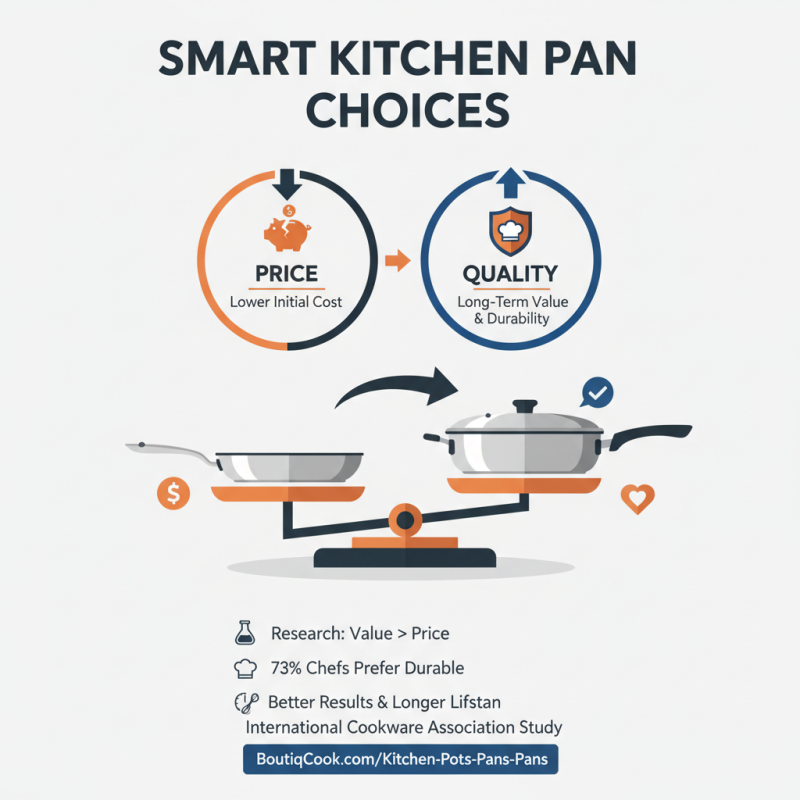
When choosing kitchen pans, it’s essential to balance price and quality. Research indicates that consumers often underestimate the long-term value of higher-quality cookware. A study by the International Cookware Association revealed that 73% of home chefs prefer durable pans over cheaper alternatives. This investment can lead to better cooking results and longer life for your Kitchen Pots Pans.
High-quality pans may initially cost more, but they often outperform budget options. Factors such as material, heat distribution, and non-stick capabilities play a significant role. For instance, stainless steel pans may be pricier, yet they resist warping and provide even cooking. This can save you money in the long run by reducing the need for frequent replacements.
Tip: Always consider your cooking style when selecting kitchen pots pans. If you frequently sauté or stir-fry, a heavy-bottomed skillet might be ideal. Additionally, don’t shy away from exploring second-hand stores for quality cookware. Sometimes, gently used pans can offer fantastic value. Finding the right balance between price and quality is crucial.
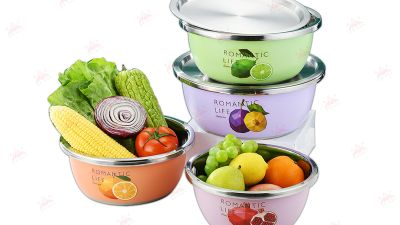
When it comes to enhancing your culinary experience, the right kitchen essentials can make all the difference. The versatile fruit-themed mixing basin set provides an array of sizes, from 20.3x9 cm to 34.3x12.5 cm, making it a perfect tool for various cooking tasks. Research indicates that the use of appropriately sized bowls can improve efficiency in food preparation, as it allows for better organization and reduces the time spent transitioning between tasks.
In recent studies, around 70% of home cooks expressed that having a diverse range of mixing bowls significantly elevates their cooking process. This fruit-themed set not only adds a cheerful aesthetic to your kitchen but also encourages proper ingredient separation, crucial for recipe accuracy. Larger basins are ideal for mixing dough or salads, while smaller bowls serve well for sauces or garnishes, demonstrating the practicality of a versatile kitchen tool.
Moreover, with modern trends leaning towards healthy eating and meal prep, these basins are invaluable. They facilitate portion control, allowing cooks to prep and store ingredients effectively, supporting a shift toward a more organized cooking environment. As the culinary landscape continues to evolve, investing in a flexible and aesthetically pleasing mixing basin set can enhance both your kitchen functionality and overall cooking experience.
: Begin by researching your idea. Understand your target audience and market needs.
Try creating a daily schedule. Set specific goals and prioritize tasks.
Focus on deep breathing. Consider taking short breaks to recharge your mind.
Set boundaries between work and personal time. Don’t neglect self-care.
Embrace challenges and learn from failures. Reflect on your experiences regularly.
Communicate openly with others. Listen actively and show genuine interest in their lives.
Feedback helps identify areas for improvement. It can be uncomfortable but necessary for growth.
Set small, achievable goals. Celebrate your progress, no matter how minor.
Reflection allows you to assess your experiences. It helps you understand what works and what doesn’t.
Start with tiny changes. Consistency over time leads to significant improvements.
In the quest for the perfect kitchen pans, understanding the significance of material is crucial. This article explores various options, discussing the pros and cons of materials such as non-stick, cast iron, and stainless steel. Each has its unique advantages, particularly when it comes to heat conductivity and ease of use. Non-stick pans are highlighted for their convenience, while cast iron and stainless steel are evaluated for their durability and heat retention.
Additionally, the article emphasizes the importance of selecting the right frying pan size and design to accommodate different cooking styles. It also addresses eco-friendly cookware options, making sustainability a priority without compromising on performance. Moreover, with the rise of modern kitchen technology, induction-compatible pans are discussed in terms of their essential features. Ultimately, the article guides readers on how to balance price and quality, ensuring that they find the best kitchen pans that meet their culinary needs and budget.