When it comes to kitchen essentials, mixing bowls might not seem like a big deal, but trust me, they play a pretty important role in making your cooking experience smoother. Finding the right set can feel kinda overwhelming, right? There are so many options out there, each with its own quirks and features. It’s easy to get lost in all the choices.
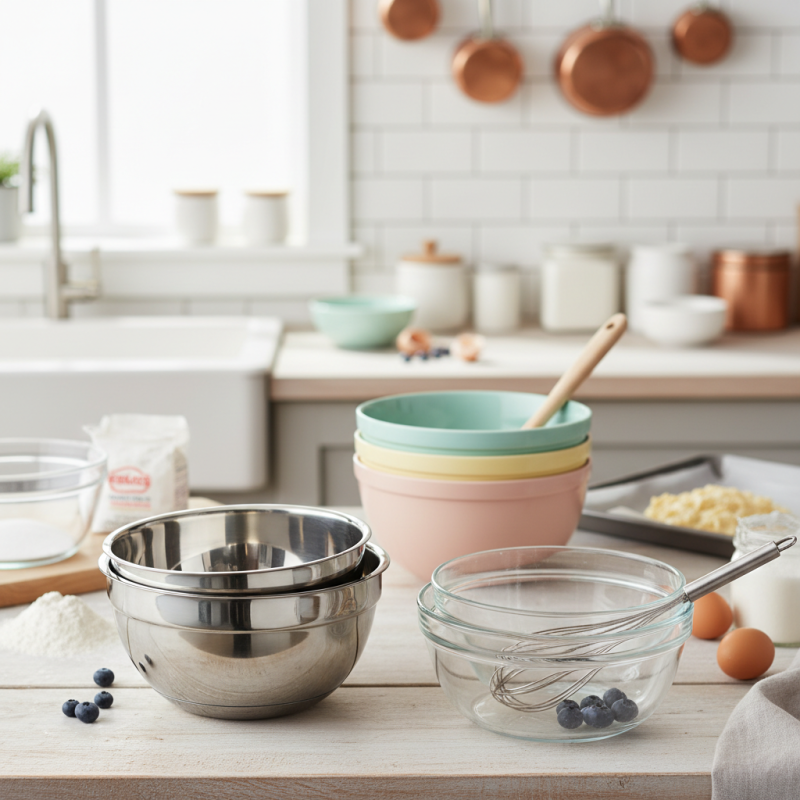
Mixing bowls come in all sorts of materials—Stainless Steel, glass, and plastic are the most common. Each one has its pros and cons, so it’s worth thinking about what suits your style. For instance, stainless steel is super durable and lightweight—great for everyday use, especially if you're rough on your stuff. Glass bowls are versatile and look pretty nice on the table because you can see what's inside. Plus, they often go straight from oven to table. But, heads up—glass can be heavy and sometimes a bit fragile. Plastic bowls are usually easier to handle and store since they’re light, but some folks worry about how durable they really are.
Choosing the right mixing bowls isn’t just about looks or price. You wanna consider your own cooking habits, things like how big your batches tend to be or if space is limited in your kitchen. Do you often make large portions? A bigger bowl might be your best friend. Want something easy to store? Look into nesting sets—they save space and are super convenient. Honestly, your personal preferences should be the guiding star here. Take your time, don’t rush, and think about what actually fits your needs best. After all, it’s all about making your kitchen work for you, right?
Understanding the Different Types of Mixing Bowls Available
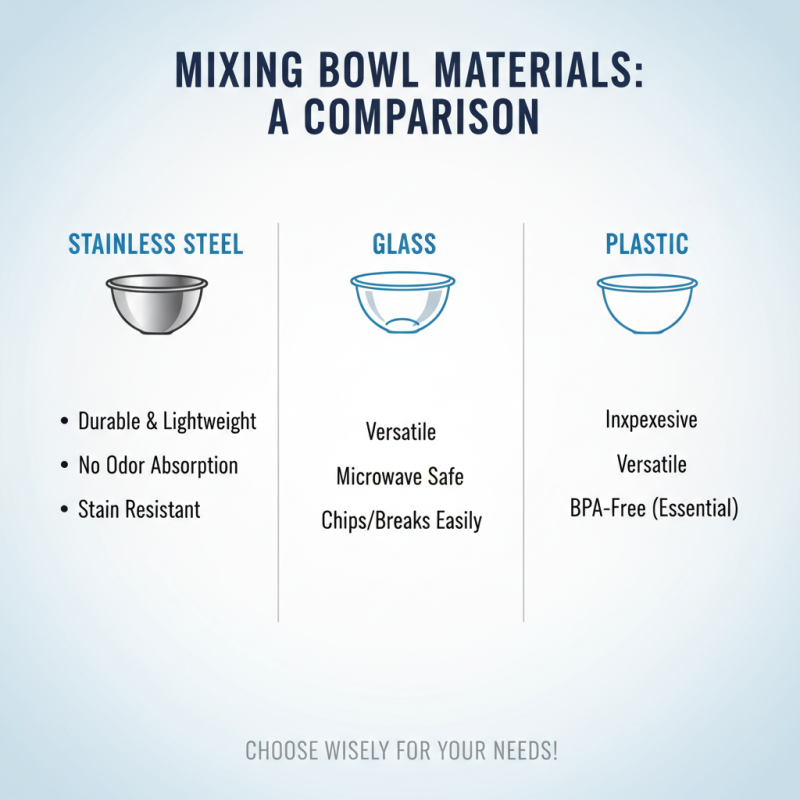
When choosing mixing bowls, consider the various materials available. Stainless steel is durable and lightweight. It won't absorb odors or stains. Glass bowls are versatile and safe for the microwave. However, they may chip or break easily. Plastic bowls are often inexpensive and versatile. Just ensure they are BPA-free.
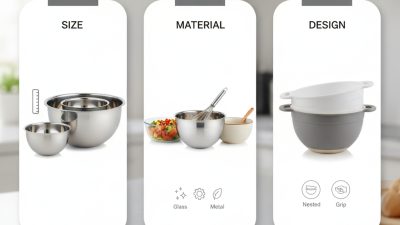
When it comes to sizes, having a range is beneficial. Small bowls are perfect for whisking eggs. Larger bowls work well for mixing dough. Invest in a set that includes several sizes. This way, you will have the right bowl for any task.
Tips: Look for bowls with rubberized bottoms to prevent slipping. Deep bowls help minimize splatter during mixing. Don't forget to consider nesting bowls for easy storage. Think about your cooking habits and choose accordingly. Mixing bowls can last a long time if cared for properly. Reflect on your usage patterns; it’s about practical choices, not just aesthetics.
Factors to Consider When Choosing Mixing Bowls
Choosing the right mixing bowls can significantly impact your cooking experience. One of the most crucial factors is material. Stainless steel, glass, and ceramic each have their pros and cons. Stainless Steel Bowls are durable and lightweight. They are less likely to break but can get hot quickly. Glass bowls, on the other hand, are non-reactive. However, they can shatter if dropped. Ceramic bowls add charm but can chip easily.
Size matters too. It's essential to have a variety in your kitchen. A large bowl is great for mixing dough, while a smaller one works for sauces. Consider how deep the bowl is as well. A deeper bowl helps minimize mess when whisking or beating ingredients. Something to reflect on: Do you really need that bowl set with 10 different sizes? Sometimes, less is more.
Lastly, think about ease of cleaning. Some bowls are dishwasher safe, while others require hand washing. This can influence how often you reach for them. Choosing mixing bowls is not just about looks; it's about functionality and practicality. Keep your cooking style in mind, and don't rush into a decision.
Mixing Bowl Material Comparison
Material Options: Glass, Plastic, and Stainless Steel
Choosing the best mixing bowls for your kitchen involves considering the materials available. Glass, plastic, and stainless steel each have unique properties and uses. Glass bowls are sturdy and non-reactive. They are great for mixing batters. You can see your ingredients clearly. However, they can break easily and might be heavier to handle.
Plastic bowls are lightweight and come in various colors and designs. They are less prone to breaking. They often have convenient measurement markers. But plastic can stain and absorb odors over time. It’s important to choose BPA-free options to ensure safety.
Stainless steel offers durability and resistance to rust. They are easy to clean and can handle hot ingredients without damage. However, they can be less visually appealing. Sometimes, you might struggle with sliding when mixing on a surface.
Tips: Consider your cooking habits. If you mix frequently, prioritize sturdiness. If you have limited storage space, lightweight bowls may be more functional. Assess which characteristics matter most to you, and don’t hesitate to explore new materials. You might find a surprising favorite.
Size and Shape: Finding the Right Fit for Your Needs
Choosing the right mixing bowls can feel overwhelming. Size and shape are crucial considerations. You want a bowl that meets your cooking needs without taking up too much space. A large, deep bowl is ideal for mixing batter or large salads. However, be careful. If it's too big, it can be cumbersome and heavy.
For smaller tasks, consider medium or small bowls. They are perfect for whisking eggs or mixing sauces. Shallow bowls are great for tossing ingredients. They offer better visibility and easier access. You might even find yourself needing a variety of sizes. This variety can create clutter in your kitchen. Balancing your collection can be a challenge.
Reflect on your cooking habits. Do you often prepare meals in bulk or do you prefer small batches? Determine what size fits your lifestyle. Your choice of material also impacts functionality. Glass bowls are sturdy but heavy. Plastic bowls are lightweight but may stain. Ultimately, the right mix of size and shape can enhance your cooking experience.
Unique Features to Look for in Mixing Bowls
Choosing the right mixing bowls for your kitchen can enhance your cooking experience. Look for bowls that feature a sturdy non-slip base. This ensures stability while mixing, reducing the chance of spills. Transparent bowls are also helpful. You can see contents easily, allowing for better control over measurements and mixing.
Consider bowls with measurement markings on the side. This eliminates the need for additional measuring tools. Some bowls come with lids, which makes storage a breeze. You can mix, cover, and store all in one bowl. Additionally, nesting bowls save space, fitting neatly inside one another when not in use.
Think about the material as well. Stainless steel is durable and does not stain. Glass bowls are versatile but can break if dropped. Plastic is lightweight, but check its heat resistance. Sometimes, you may find a bowl that looks perfect, but it may not suit your needs. It’s okay to try different styles until you find what works best. Personal preference plays a big role too. What feels right for you might not be ideal for someone else.
Care and Maintenance Tips for Mixing Bowls
Caring for your mixing bowls is crucial. Different materials require different attention. Glass bowls are often dishwasher-safe, but hand washing them is a safer choice for longevity. Scratches can form over time. Metal bowls need gentle cleaning as abrasive materials can cause dents or discoloration.
Plastic bowls are popular, but they stain easily. Avoid exposing them to high temperatures or harsh chemicals. Instead, use mild soap and warm water. Silicone bowls are flexible and easy to clean, yet they can warp if exposed to extreme heat. Always check the care instructions for each type.
Storing mixing bowls can be tricky. Stack them carefully to prevent scratches. Use liners between bowls if storing them together. A cluttered cupboard makes finding the right bowl hard. It’s worth arranging them neatly. Over time, you might find a chipped bowl in the back. This could affect your cooking. Take a moment to reassess your collection regularly. You'll be happy you did!
Budget Considerations When Buying Mixing Bowls
When purchasing mixing bowls, budget plays a crucial role. It’s easy to get swept up in fancy designs and trendy materials. However, understanding what you really need can save you money. Do you bake often? Consider investing in a few durable stainless steel bowls. They last longer and resist rusting. On the other hand, if you occasionally whip up a salad, plastic bowls might suffice, as they are more affordable.
Many homeowners hesitate between expensive and cheaper options. A set of bowls doesn’t need to break the bank. Sometimes, spending less can lead to unexpected drawbacks. Cheap plastic bowls might warp over time, causing frustration. It’s a reminder to weigh the costs against the potential hassle. A middle ground can be choosing glass installations. Glass bowls are often more affordable than premium brands, while providing durability.
Look for sales or discounts. Sometimes you can find great deals on multi-packs. Even visiting local thrift stores can yield hidden gems. Keep in mind that the best choice isn’t about the price tag. It’s about how well these bowls fit your cooking style. A bowl that’s too small may lead to spills, and that’s a headache no one needs. Reflect on your cooking habits before making that final decision.
Enhancing Culinary Efficiency: The Impact of Versatile Mixing Basin Sets on Kitchen Productivity and Food Preparation
In today's fast-paced culinary environment, enhancing kitchen productivity is crucial for both professional chefs and home cooks alike. One essential tool that contributes significantly to this efficiency is a versatile set of mixing basins. These basins come in a variety of sizes, each designed to accommodate different food preparation tasks, making them indispensable in any kitchen.
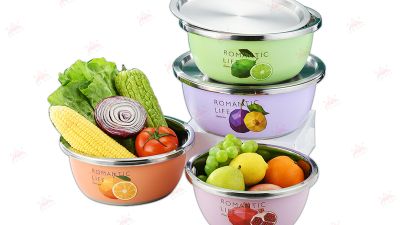
With dimensions ranging from 20.3x9 cm to an impressive 34.3x12.5 cm, this diverse selection allows for a wide array of uses. Smaller basins are perfect for mixing spices or preparing sauces, while larger options can handle bulk ingredients, making them ideal for batch cooking or meal prepping. The various sizes ensure that whether one is whipping up a quick salad dressing or mixing dough for bread, there’s always an appropriate basin at hand. This versatility streamlines the cooking process, reduces clutter, and minimizes the time spent on preparation.
Moreover, having an array of mixing basins enhances workflow by enabling multitasking in the kitchen. Cooks can prepare multiple components of a dish simultaneously without the need for constant washing and sanitizing of equipment. This efficiency not only maximizes productivity but also fosters creativity, allowing culinary enthusiasts to experiment with new recipes and flavors while maintaining an organized workspace. Ultimately, incorporating a multifunctional set of mixing basins can have a profound impact on overall culinary efficiency, transforming how meals are prepared.
FAQS
: The product aims to enhance daily convenience. It simplifies tasks and helps save time.
Follow the user guide thoroughly. Ensure proper setup before using it to achieve the best results.
Check connections first. Many issues arise from improper setup or disconnections.
Yes, regular cleaning is vital. Keep it free from dust to maintain its performance.
It’s designed for versatile use. However, extreme conditions may affect performance. Adapt based on your setting.
Lifespan varies with usage. Following guidelines can extend its durability significantly.
Most institutions offer a return window. Ensure you review their conditions before making a return.
Yes, many users forget to calibrate. This can lead to less accurate results.
Generally, no formal training is necessary. A familiarization period may help improve your experience.
Yes, support is available through various channels. Don’t hesitate to reach out for assistance.
Conclusion
When selecting the best mixing bowls for your kitchen, it's important to understand the various types available and the factors that influence your choice. Mixing bowls come in different materials such as glass, plastic, and stainless steel, each offering its own advantages. Considerations like size and shape are crucial to ensure that the bowls meet your specific cooking and baking needs. Additionally, unique features such as non-slip bases or lids can enhance usability, while properly caring for and maintaining your mixing bowls will extend their lifespan.
Budget is another key aspect to factor in when purchasing mixing bowls. By evaluating your options and understanding the differences, you can make an informed decision that aligns with your culinary preferences and financial considerations. Ultimately, the right mixing bowls can significantly improve your cooking experience and efficiency in the kitchen.