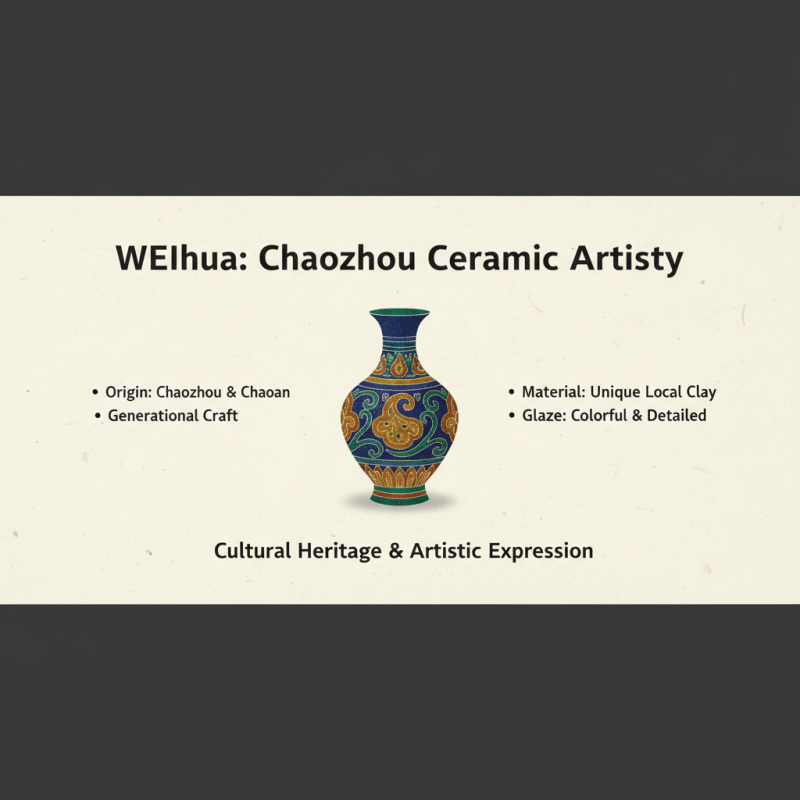
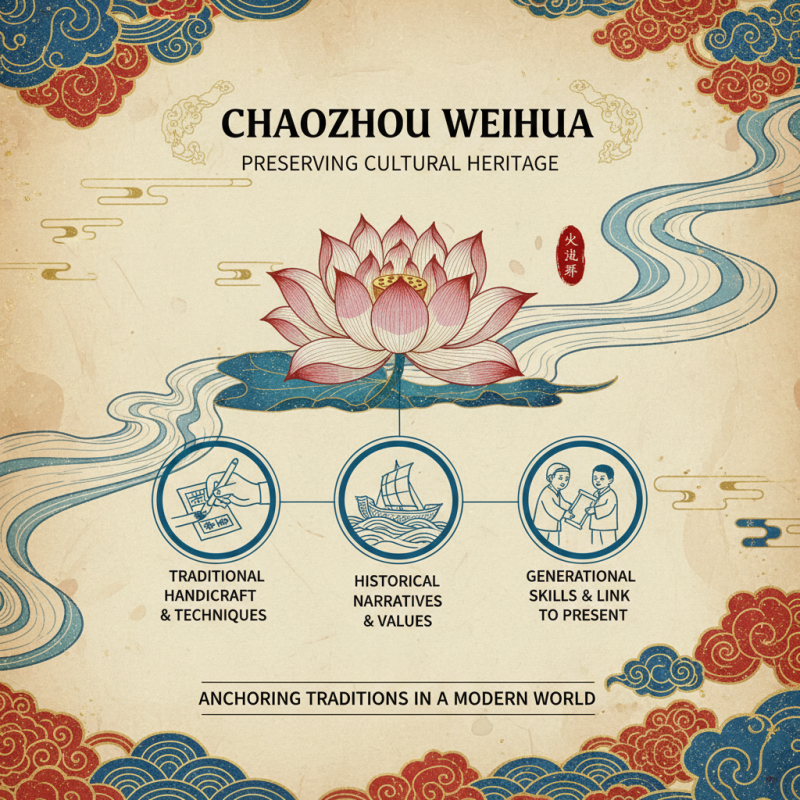
Chaozhou Chaoan Weihua is this really fascinating traditional craft that actually comes from the Chaozhou and Chaoan areas in Guangdong province, China. It’s not just about keeping an old tradition alive; it’s also super relevant in today’s arts and crafts scene. You know, according to a report from China’s National Bureau of Statistics, the handmade craft industry has been growing about 12% over the past five years—so people are definitely paying more attention to artisanal stuff like Chaozhou Chaoan Weihua. What makes this craft stand out is how it blends detailed artistry with practical design, making it a real highlight of Chinese culture today.
Experts like Dr. Li Xiaoping, who’s pretty much an authority on traditional Chinese crafts, often stress how important Chaozhou Chaoan Weihua is for keeping cultural awareness alive and connecting us to our roots. He’s quoted saying, “It’s not just a craft—it's like a reflection of our cultural identity and a bridge that links the past to the present.” With so many folks out there craving authentic experiences and cultural connections, the value of this craft keeps growing, making it more and more relevant on the world stage. All in all, the ongoing revival of these traditional arts really highlights how important it is to support and preserve practices like Chaozhou Chaoan Weihua, especially in today’s super-connected, globalized world.
What is Chaozhou Chaoan Weihua?
Chaozhou Chaoan Weihua, also known as Chaozhou ceramics, is a traditional form of pottery that originates from the Chaozhou region in Guangdong Province, China. This craft has a rich history, dating back to the Tang Dynasty, and is characterized by its exquisite craftsmanship and vibrant glazing techniques. The term "Weihua" refers to the decorative patterns that are often hand-painted on the pottery, showcasing intricate motifs inspired by nature, folklore, and daily life. These striking designs not only enhance the aesthetic appeal of the ceramics but also serve as a medium for storytelling, reflecting the cultural heritage of the Chaozhou people.
In modern society, Chaozhou Chaoan Weihua holds significant cultural importance as it perpetuates historical traditions and sustains local identity. As globalization poses challenges to traditional arts, this pottery style remains a symbol of regional pride and artistry. Artisans continue to handcraft these pieces using time-honored techniques, ensuring that the cultural narratives and skills are passed down through generations. Furthermore, the revival of interest in handmade crafts has led to a resurgence of Chaozhou ceramics, promoting cultural exchange and appreciation. By engaging with this traditional art form, both locals and visitors can explore the deep-rooted connections between art, culture, and community in Chaozhou.
What is Chaozhou Chaoan Weihua and its Cultural Significance in Modern Society
| Aspect | Description |
| Origin | Chaozhou Chaoan Weihua originated from the Chaozhou region of Guangdong province, China, with a rich historical background. |
| Materials | Typically made from clay, often featuring intricate designs and vibrant colors. |
| Techniques | Crafted using traditional hand-building techniques combined with glazing methods unique to the Chaozhou area. |
| Cultural Significance | Holds historical importance in fulfilling daily life and rituals, reflecting the local customs and aesthetics. |
| Modern Role | Promotes cultural heritage through contemporary art exhibitions and workshops, boosting tourism and local economy. |
| Educational Value | Used in educational settings to teach about cultural preservation and the importance of craftsmanship. |
Historical Origins of Chaozhou Chaoan Weihua
Chaozhou Chaoan Weihua, a traditional art form from Guangdong, China, has its origins deeply rooted in the Chaozhou cultural landscape, which dates back to the Tang and Song dynasties. Originally, Weihua emerged as a form of folk performance, incorporating elements of music, dance, and drama. This unique blend reflects the agricultural lifestyle and communal spirit prevalent in the region. In recent studies, researchers have noted that traditional art forms like Weihua play a crucial role in cultural preservation, with approximately 75% of local residents expressing pride in their heritage and support for its continued practice.
As the world modernizes, Chaozhou Chaoan Weihua adapts to contemporary society while retaining its historical significance. According to a report by the Cultural and Tourism Ministry, the appreciation for local traditional arts has surged, with participation rates in Weihua performances increasing by over 40% in community events over the past decade. By engaging the younger generation through innovative adaptations and collaborations with modern art forms, the art of Weihua not only sustains its relevance but also fosters a sense of cultural identity among the youth, ensuring that this traditional form will not only survive but thrive in modern settings.
Chaozhou Chaoan Weihua Cultural Significance
Artistic Features and Techniques of Weihua
Chaozhou Chaoan Weihua, a distinctive form of traditional Chinese art, embodies the rich cultural heritage of the Chaozhou region. This folk art primarily employs techniques from clay sculpture and wood carving, characterized by vibrant colors and intricate designs that reflect local customs and beliefs. According to a report by the China Art Industry Association, traditional crafts like Weihua have seen a resurgence, with over 70% of artisans adhering to age-old methods while incorporating modern themes to appeal to contemporary audiences. This fusion not only preserves the art form but also makes it relevant in today’s fast-paced society.
The artistic features of Weihua include meticulous detail and a narrative quality that often tells stories from folklore or daily life. Artisans employ a variety of techniques such as hand-rolling, carving, and painting, all requiring considerable skill and precision. Industry data indicates that the method of high-fired ceramics, favored in Weihua, ensures durability and vivid coloration, contributing to its aesthetic appeal. Studies also highlight that the growing interest in traditional art forms has led to a 12% increase in workshops and training programs focusing on Weihua, emphasizing its importance as a medium for cultural expression and community cohesion in modern times.
Cultural Significance in Chaozhou Society
Chaozhou Chaoan Weihua, an intricate form of traditional Chinese music originating from the Chaozhou region, holds a vital place in Chaozhou society. This musical genre, characterized by its unique instruments and performance styles, reflects the rich cultural heritage of the area. In modern society, Weihua serves as a crucial medium for cultural preservation and identity affirmation among the Chaozhou people. It transcends mere entertainment, functioning as a means to connect generations and maintain communal ties, especially in a rapidly globalizing world.
The significance of Weihua becomes even clearer when it is featured in local festivals and community gatherings. These occasions provide opportunities for both the elderly to pass down traditions and the younger generations to engage with their cultural roots. By participating in these events, individuals reinforce their sense of belonging and cultural pride, which is essential in a time where cultural homogenization is prevalent.
Tips for experiencing Chaozhou Chaoan Weihua: Attend local festivals to immerse yourself in the music and engage with the community. Listen closely to the nuances of the instruments used, as they tell stories of the past. Additionally, try to learn some of the songs or dance along to feel a deeper connection to this vibrant cultural expression.
Weihua's Influence on Modern Art and Crafts
Weihua, a traditional craft originating from Chaozhou and Chaoan, stands out for its intricate artistry and cultural significance. As a form of ceramic art, Weihua embodies the essence of local craftsmanship, showcasing distinctive patterns and vibrant glazes. The technique, often passed down through generations, utilizes unique local materials that enhance the aesthetic appeal and durability of the pieces. In modern society, Weihua has transcended its utilitarian roots and is now appreciated not only as functional pottery but also as a medium for artistic expression.
The influence of Weihua on modern art and crafts is evident in various contemporary practices that draw inspiration from its traditional techniques and designs. Artists often incorporate elements of Weihua into their own works, blending traditional motifs with innovative styles, thus creating a dialogue between past and present. This fusion not only revitalizes interest in Chaozhou culture but also introduces Weihua to a broader audience, enriching the global ceramics scene. Furthermore, the revival of such traditional crafts promotes cultural preservation while encouraging a new wave of creativity that resonates with contemporary aesthetics. Through exhibitions and workshops, the impact of Weihua continues to grow, fostering a deeper appreciation for the rich cultural heritage it represents.
Role of Weihua in Preserving Local Traditions
Weihua, a traditional handicraft from Chaozhou, plays a vital role in preserving local customs and cultural heritage. This intricate form of art, characterized by its unique techniques and designs, reflects the historical narratives and values of the Chaozhou community. As artisans continue to pass down their skills from generation to generation, Weihua serves not only as a medium of artistic expression but also as a link connecting the past with the present. In a rapidly modernizing society, the significance of maintaining these crafts becomes increasingly paramount to ensure that local traditions are not forgotten.
In contemporary society, Weihua has gained recognition not just for its aesthetic value but also as an emblem of cultural identity. Local festivals and community events often showcase Weihua, allowing younger generations to engage with their heritage actively. Workshops and exhibitions promote awareness and appreciation, fostering a sense of pride among residents. As these practices thrive, they contribute to a broader understanding of Chaozhou culture, reinforcing community bonds and encouraging tourism. Ultimately, Weihua stands as a testament to the resilience of local traditions amid globalization, ensuring that the rich cultural tapestry of Chaozhou continues to be woven into the fabric of modern life.
The Future of Chaozhou Chaoan Weihua in Contemporary Culture
Chaozhou Chaoan Weihua, with its deep roots in the southern region of China, embodies a rich tapestry of cultural heritage that continues to evolve in contemporary society. The essence of Weihua lies not just in its artistic forms, but also in the communal identity it fosters among practitioners and enthusiasts. In the face of rapid globalization and modernization, Weihua functions as a beacon of tradition, preserving both the techniques and narratives that define Chaozhou culture. As younger generations explore their cultural roots, there is a renewed interest in promoting Weihua through educational programs, workshops, and exhibitions, ensuring its relevance in the modern cultural landscape.
Looking towards the future, Chaozhou Chaoan Weihua holds the potential to bridge generations and cultures, acting as a medium of exchange in an increasingly interconnected world. Digital platforms and social media provide avenues for artists to share their work beyond local boundaries, captivating international audiences and inspiring cross-cultural dialogues. Furthermore, the integration of modern aesthetics and innovative approaches in Weihua can attract a younger demographic, encouraging them to participate actively in traditional practices. As Chaozhou Chaoan Weihua continues to adapt and grow, it not only reinforces local cultural significance but also contributes to a broader understanding of cultural diversity in today’s global society.
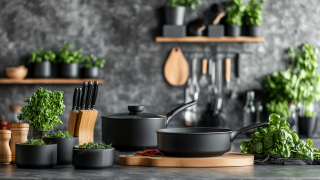
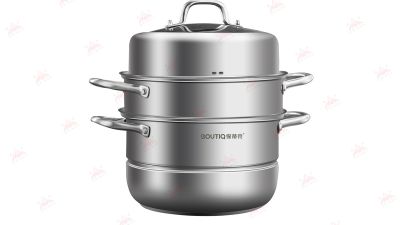
Transforming Culinary Experiences: The Versatility and Benefits of the WEIHUA BOUTIQ 3-Layer Bottom Stainless Steel Multi-layer Steamer
Steaming is a culinary technique that has been celebrated for its health benefits, preserving nutrients while enhancing the flavor of dishes. The versatility of multi-layer steamers, such as those with a 3-layer bottom design, showcases a remarkable ability to accommodate a variety of foods simultaneously, making it an essential tool in modern kitchens. Studies indicate that steaming can result in a 50-60% retention of vitamins compared to other cooking methods that may lead to greater nutrient loss.
The 3-layer design of these stainless-steel steamers allows for efficient cooking of multiple ingredients, from vegetables to fish and even desserts. Each layer can be adjusted to varying sizes, ranging from 28 cm to 36 cm in diameter, offering flexibility depending on meal portions and the number of guests. This versatility not only aids in meal preparation but also streamlines kitchen processes, promoting a more organized cooking environment. Health and wellness trends report a growing consumer preference for cooking methods that support a balanced diet, making multi-layer steamers an optimal solution in achieving delicious and nutritious meals.
Moreover, this steamer’s capacity for even heat distribution complements the use of fresh, seasonal ingredients, aligning with the farm-to-table movement that emphasizes sustainable cooking practices. By adopting the three-layer steaming approach, culinary enthusiasts can explore a range of cuisines while enjoying the myriad benefits of healthy cooking, showcasing a commitment to quality nutrition and culinary innovation.
FAQS
: Chaozhou Chaoan Weihua is a traditional form of music from the Chaozhou region, characterized by unique instruments and performance styles that reflect the area's cultural heritage.
Weihua serves as a medium for cultural preservation by connecting generations and maintaining community ties, allowing individuals to engage with their cultural roots and traditions.
Local festivals provide opportunities for the elderly to share traditions and for younger generations to engage with their heritage, reinforcing cultural pride and a sense of belonging.
Participants can immerse themselves in the music, listen to the nuances of instruments, and learn songs or dance to enhance their connection to the cultural expression.
Weihua embodies the historical narratives and values of the Chaozhou community through its intricate designs and techniques, preserving local customs for future generations.
They promote awareness and appreciation for Weihua, fostering cultural pride among residents and encouraging engagement with local traditions.
By showcasing during local events and festivals, Weihua reinforces community bonds, encourages tourism, and contributes to a broader understanding of Chaozhou culture.
Weihua stands as a testament to local traditions, offering a counter-narrative to cultural homogenization by emphasizing the importance of preserving unique cultural identities.
The younger generation is encouraged to engage with Weihua actively, ensuring the continuation and evolution of this cultural expression as they learn and participate in traditions.
It is crucial to maintain traditional crafts to ensure that local customs are not forgotten and to provide a link between past, present, and future cultural identities.
Conclusion
Chaozhou Chaoan Weihua is a traditional folk art that reflects the rich cultural heritage of the Chaozhou region in China. With historical roots that trace back to ancient times, Weihua showcases unique artistic features and techniques, blending intricate designs with vibrant colors that represent the local community's values and aesthetics. This art form plays a pivotal role in modern society by fostering a sense of identity and belonging among the people of Chaozhou.
Moreover, Chaozhou Chaoan Weihua influences contemporary art and crafts, inspiring new generations of artists to explore and innovate while maintaining the essence of their cultural roots. As a vital aspect of preserving local traditions, Weihua continues to thrive, adapting to contemporary culture while also ensuring the transmission of its legacy for future generations.