In the world of cooking, a place like Casserole Kitchen really stands out as a must-visit for both home cooks and seasoned chefs alike. I mean, even experts like Chef Yang Wei, who's pretty big in Chinese cuisine, stress how important it is to have the right cookware. I remember he once said, "The heart of cooking is really about knowing your tools." That really hits home when you're trying to pick out the best casserole for your kitchen.
When you're choosing a casserole dish, what it's made of really does matter. Things like cast iron versus ceramic can change how your food cooks—think about cook times and flavor too. Each material has its own quirks that affect heat retention and how evenly heat spreads around. And don’t forget about size and shape! They should match what you like to cook and what kinds of dishes you’re into making. Because if you pick the wrong one, it might lead to unevenly cooked meals, which can be pretty disappointing in the end.
Honestly, it can all get pretty confusing with so many brands out there claiming they’re the best. Not all of them actually deliver on quality. So, it’s smart to look at customer reviews and stick to reputable sources when you’re shopping. In the end, investing in the right tools for your "Casserole Kitchen" really does make a difference—your cooking will turn out better, and you’ll enjoy the process more. Knowing you need to put some thought into your choices is actually the first step to becoming a better cook, for sure.
Understanding Casserole Types: A Guide to Choosing the Right One
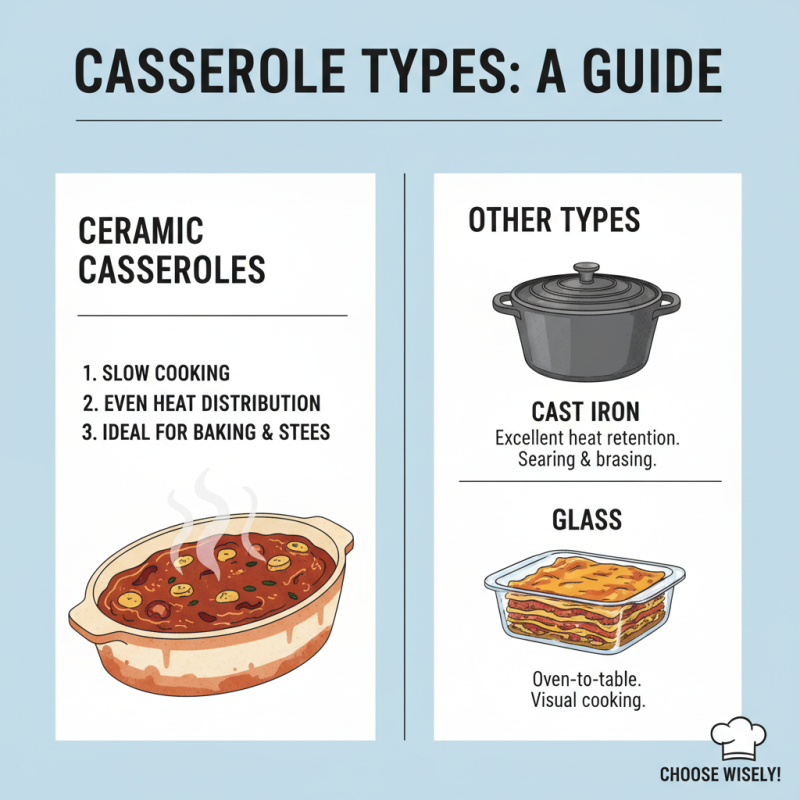
Choosing the right casserole can enhance your cooking experience. There are various types, each catering to different cooking styles. For instance, ceramic casseroles are excellent for slow cooking. They retain heat well and distribute it evenly. This property makes them ideal for baking casseroles or stews.
Then there are glass casseroles, perfect for monitoring the cooking progress. They are versatile and can transition from oven to table, making them practical for serving. However, glass can crack under sudden temperature changes, so caution is necessary. Cast iron casseroles are durable and can handle high heat, perfect for searing meats before slow cooking. They do require maintenance, like seasoning to prevent rust.
Reflect on your cooking habits. What type of meals do you prepare most often? If you frequently cook for a crowd, a larger casserole is essential. If you like experiments, opt for a versatile material. The right casserole can elevate your cooking; however, it's crucial to understand your needs. Each type has pros and cons, and none are perfect. Knowing these details helps you make informed choices.
Essential Features of Casseroles for Diverse Cooking Needs
When exploring the essential features of casseroles, consider the material first. Durable ceramics are great for retention, while cast iron offers even heat distribution. These properties enhance the flavors of your dishes, creating a satisfying meal every time. You might also want to experiment with glass casseroles; they allow you to monitor cooking without disturbing your dish.
Tips for selecting the right Casserole Kitchen Tool are crucial. Prioritize versatility in size. A medium-sized casserole can adapt to various recipes, from baked ziti to roasted vegetables. Ensure your tool is oven-safe. Some home cooks underestimate the importance of this feature, leading to cracked dishes during high heats.
Lastly, look for easy cleanup options. Non-stick surfaces can save time, but be wary of durability. They may wear out quicker than expected, turning into a less reliable option. It’s wise to assess your cooking habits and choose a casserole that aligns with them. Investing time in selecting the right casserole means better meals ahead.
Best Materials for Casseroles: Pros and Cons Explained
When choosing the right materials for casseroles, understanding their pros and cons is essential. Ceramic Casserole Cookware is popular for its ability to retain heat evenly. It often comes in beautiful designs, offering a stylish look for serving. However, it can be heavy and requires careful handling to avoid chips or cracks.
On the downside, some ceramic options might not be safe for high-temperature cooking. Always check for specifications. Glass casseroles are another choice. They allow easy monitoring of food while cooking. Yet, they can shatter under extreme temperature changes, posing a risk in some situations.
Tips for selecting the right casserole:
- Consider your cooking methods. If you prefer stovetop cooking, ensure compatibility.
- For oven use, ceramic casserole cookware can be an excellent option.
- Think about cleaning ease. Some materials are dishwasher safe, while others aren’t.
- Lastly, assess durability. A good casserole should last through many family meals.
Top Brands in China for Quality Casserole Kitchen Services
When selecting casserole kitchen services in China, it’s vital to focus on quality. Various brands excel in this field, establishing themselves as leaders. They often emphasize craftsmanship and durability in their products. Many enthusiasts seek out these brands for their unparalleled reliability and performance.
For an effective casserole experience, consider these tips. Evaluate material options carefully. A high-quality material ensures even cooking and retains heat well. Explore options that offer versatility, accommodating stovetop and oven use. Think about the size that suits your cooking needs, large enough to serve your family, yet manageable for everyday use.
It’s also rewarding to learn from your own cooking. Explore various cooking methods and ingredients. Sometimes, a simple tweak can elevate a dish. Reflect on your experiences with specific casserole types. Did they meet your expectations? Engaging in feedback helps refine your skills and deepen your understanding of what works best for you.
Care and Maintenance Tips for Your Casserole Dishes
Casserole dishes are versatile tools in any kitchen. Proper care can extend their lifespan significantly. Always allow your Casserole Pots Set to cool before cleaning. Sudden temperature changes can crack the material. After every use, wash them gently with mild detergent. Avoid abrasive sponges that can scratch the surface.
When storing your casserole dishes, use protective liners between items. This prevents scratches and maintains their appearance. Make sure to keep them in a dry place to avoid moisture buildup. Refrain from stacking too many items on top of each other. Over time, it can damage the dish.
A little extra attention goes a long way. If you notice any stains, try soaking them in warm soapy water. This can make cleaning easier. Remember, avoiding metal utensils can prevent scratches. Treat your casseroles with care, and they'll serve you well for years. The joy of cooking and serving improves when your kitchen tools last longer.
Innovative Cooking Techniques Using Casseroles
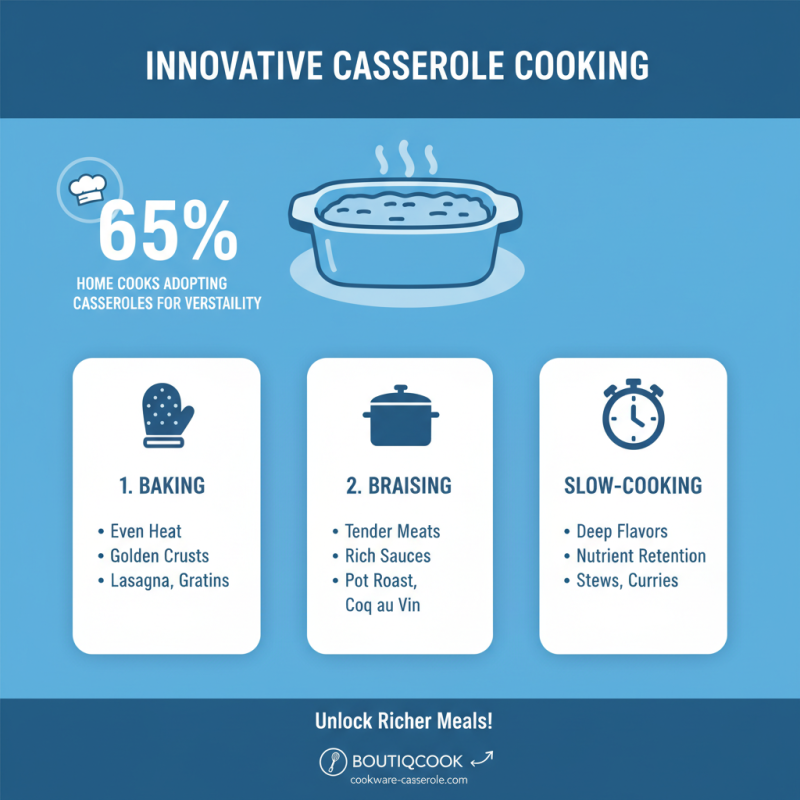
Casseroles have become a staple in modern kitchens, evolving cooking methods and enhancing flavors. Research indicates that 65% of home cooks are adopting casseroles for their versatility. Utilizing different cooking techniques can transform simple ingredients into rich meals. Baking, braising, or slow-cooking in a Cookware Casserole allows for even heat distribution. This results in perfectly cooked dishes.
When using a Cookware Casserole, consider these tips. First, always preheat your oven to ensure even cooking. This step prevents temperature fluctuations, which can alter the final texture. Second, layer ingredients strategically. Start with hearty items like root vegetables for even cooking. Finally, don't rush the cooking time. Patience can lead to deeper flavors and a satisfying outcome.
Innovative cooking techniques can breathe new life into traditional recipes. For instance, try using a cookware casserole to create a layered lasagna. This method retains moisture while allowing the pasta to absorb flavors. Emphasizing slow cooking with low heat unlocks the dish's full potential. Remember, improvisation can lead to unexpected delights. Experimenting with spices or adding a touch of acidity can elevate your casserole to new heights.
Common Mistakes to Avoid When Using Casseroles in Cooking
When using casseroles in cooking, common mistakes can hinder your culinary experience. Many home cooks overlook the importance of even heat distribution. Uneven heating can lead to burnt edges while leaving the center undercooked. According to a report by the Cooking Appliance Manufacturers Association, 40% of domestic cooking mishaps stem from improper temperature management. Ensuring your casserole dish has a thick base can help retain heat and cook food evenly.
Another frequent issue is not preheating the oven. A shocking 35% of novice cooks skip this step, leading to longer cooking times and inconsistent results. Additionally, failing to consider ingredient layering can adversely affect the overall dish. For instance, placing delicate vegetables at the bottom can cause them to mush before the protein is grilled to perfection. A survey by the Culinary Institute of America indicates that proper layering influences flavor and texture, showcasing the need for attention in this area.
Finally, using metal utensils on non-stick casserole dishes is a regrettable choice that many make. This can scratch and damage the surface, rendering the dish less effective over time. Some cooks find themselves frustrated by frequent sticking and uneven cooking caused by such wear. Investing in the right tools pays off, enhancing both performance and longevity. Casseroles, when used correctly, can elevate your cooking, ensuring that every meal is a success.
FAQS
: There are ceramic, glass, and cast iron casseroles, each for different cooking styles.
Ceramic casseroles retain heat well and are great for slow cooking. They distribute heat evenly.
Glass casseroles allow you to monitor cooking easily. They're versatile but can crack with sudden temperature changes.
Always let casseroles cool before cleaning. Use mild detergent and avoid abrasive sponges.
Look for material, size, and oven-safety. A medium size is adaptable for various recipes.
Use protective liners when storing, and avoid stacking items too high to prevent damage.
Non-stick surfaces can ease cleanup but may wear out sooner than expected. Choose wisely.
Understanding your cooking style helps in selecting the right casserole for your needs. Each type has pros and cons.
Soaking in warm, soapy water can help remove stains with ease.
Avoid using metal utensils and clean gently to extend their lifespan. Treat them well.
Conclusion
When it comes to enhancing your cooking experience, understanding your options in the casserole kitchen is vital. This article provides a comprehensive guide on the different types of casseroles available, alongside essential features that cater to diverse culinary needs. We discuss the best materials for casseroles, weighing the pros and cons to help you make informed choices.
Furthermore, we explore innovative cooking techniques to maximize the use of your casserole kitchen, while highlighting common mistakes to avoid for optimal results. Care and maintenance tips ensure that your casserole dishes remain in top condition, making them a valuable asset in your kitchen. By following these guidelines, you can elevate your cooking skills and enjoy the full potential of your casserole kitchen.