Leave Your Message
0%

China has become a huge sourcing base for Steel Cooking Pots—the kind used by restaurants, retailers, and household brands around the world. Manufacturers there offer stainleSs Steel stockpots, saucepans, soup pots, and induction-ready cookware in pretty much every size. But here's the catch: supplier quality can vary a lot. A polished sample doesn't always prove that production will stay consistent.

As cookware sourcing specialist Michael Chen says, “A dependable pot begins with honest material data, not impressive packaging.” That idea matters to global buyers. They should verify stainless steel grades, wall thickness, base construction, handle strength, and lid fitting. Factory experience counts, too. A capable supplier should be able to explain forming methods, welding points, polishing standards, and heat-distribution testing—without falling back on vague promises. Clear records build trust.

Small details reveal production discipline. Does the pot sit flat on a steel table? Test the handle after repeated heating cycles. Check the rim for rough edges. Ask for batch samples, inspection reports, and traceable packaging. Suppliers with export experience can usually help with private labeling, carton design, and shipment coordination. Still, experience isn't a guarantee. Even established factories can miss scratches, uneven bases, or loose rivets during busy seasons.

Buyers should compare several China Steel Cooking Pots suppliers before signing an order. Certifications, food-contact documentation, and independent inspections deserve a practical review. Price matters, yes—but replacement costs matter more. The cheapest quote can become expensive.

Quality is measurable.

This guide looks at leading Chinese suppliers, production capabilities, customization options, and buyer verification methods. It also admits an uncomfortable point: online factory information may be incomplete. Careful questioning is still essential. Reliable sourcing gets built through evidence, repeat testing, and realistic expectations.
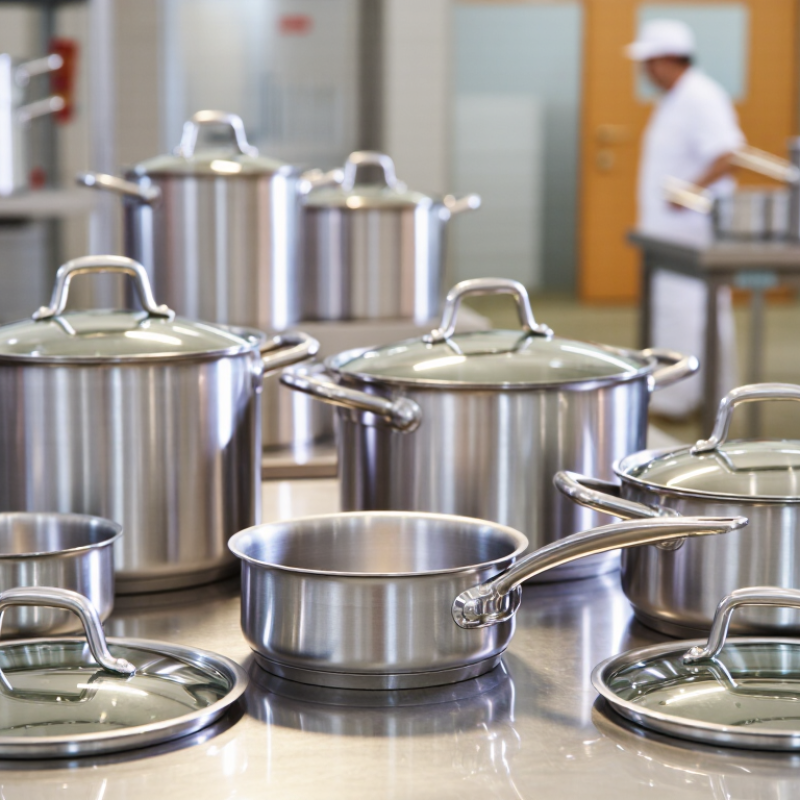
China Top Steel Cooking Pots Suppliers for Global Buyers

Types of Steel Cooking Pots Supplied by Chinese Manufacturers

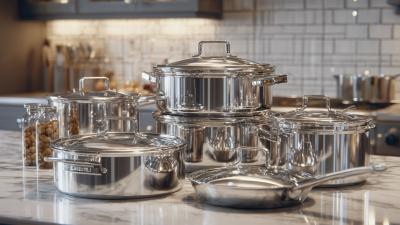
Chinese manufacturers supply a broad range of steel cooking pots for restaurants, retailers, and household kitchens. Stainless steel stockpots are common for soups, pasta, and batch cooking. Their tall walls reduce splashing, while rolled rims support cleaner pouring. Sauce pots offer smaller capacities for gravies, milk, and reheating. Wide sauté pots combine a flat base with taller sides, making them useful for frying and simmering.

Carbon steel pots provide strong heat response and a naturally developing cooking surface. They suit open-fire cooking, outdoor kitchens, and high-temperature recipes. Enamelled steel pots add color and resist many acidic ingredients, although chipped enamel should not be accepted. Chinese suppliers also produce induction-ready pots, steamers, double boilers, and multi-layer cookware with aluminum cores between steel layers. Sizes often range from compact one-liter models to commercial vessels above 20 liters.

During sample evaluation, buyers should check steel grade, wall thickness, lid fit, handle strength, and base flatness. A bright polish proves little. Ask for food-contact documentation and production inspection records. Test the pot on the intended cooker, because some advertised “induction compatible” bases heat unevenly. This detail is easy to overlook. Weld lines may look neat but still weaken under repeated thermal expansion. Clear drawings, controlled tolerances, and batch sampling make communication more reliable. Some buyers focus heavily on price, then discover that thin walls distort after several heating cycles.

Key Materials and Manufacturing Standards for Steel Pots

China Top Steel Cooking Pots Suppliers for Global Buyers

Key Materials and Manufacturing Standards for Steel Pots

For Steel Pots For Cooking, material selection affects heat control, durability, and food safety. Austenitic stainless steel is common because it resists rust and acidic ingredients. Many commercial pots use 18/8 or 18/10 stainless steel, although actual composition should be verified through material reports. A layered base can improve heat distribution on gas, electric, or induction cookers. Carbon steel offers strong heat retention, but it needs careful drying and seasoning. Small details matter.

Manufacturing quality begins with traceable raw materials and controlled forming processes. Suppliers should inspect wall thickness, handle welds, lid fit, and base flatness. Uneven polishing may leave sharp edges or trapped residue. Food-contact surfaces should be smooth, cleanable, and free from harmful coatings. Ask for relevant test reports, batch records, and inspection procedures rather than trusting photos alone. Quality systems such as ISO 9001 can support consistency, but certification does not replace product testing. I have found that simple checks often reveal more than impressive factory claims. No inspection method is perfect. Buyers should still test samples under repeated heating, washing, and handling before placing larger orders.

How to Evaluate China-Based Steel Pot Suppliers

China Top Steel Cooking Pots Suppliers for Global Buyers

Evaluating China-based suppliers requires more than comparing quotations. Start with material evidence. Ask for the stainless steel grade, thickness range, heat-treatment records, and recent laboratory reports. For Stainless Steel Cooking Pots And Pans, request testing for corrosion resistance, coating adhesion, handle strength, and food-contact safety. The International Stainless Steel Forum reported global crude stainless steel production at about 58.4 million tonnes in 2023. Large output does not guarantee consistent cookware quality.

Check whether the supplier controls key processes internally. Review coil storage, stamping, welding, polishing, and final inspection areas. Ask to see calibration records for micrometers and pressure testers. A useful sample audit should measure rim roundness, base flatness, wall thickness, and lid fit. Small defects become obvious when a pot sits on a glass cooktop. Request batch traceability from raw material receipt to carton packing. ISO 9001 certification can support process discipline, but it is not a substitute for product testing.

Use independent pre-shipment inspection when order value justifies the cost. Compare samples from three production batches, not one attractive prototype. I would not trust polished factory videos as proof. No checklist is perfect. Supplier communication also matters; vague answers about alloy composition deserve a slower decision. The OECD’s due diligence guidance emphasizes documented risk assessment and corrective action, which can help buyers review labor, environmental, and quality controls without relying on promises.

Customization Options for Global Wholesale Buyers

Global wholesale buyers rarely need a standard cooking pot. They need a repeatable product for a specific market. Chinese steel cooking pot suppliers can customize diameter, capacity, wall thickness, lid style, handles, and carton design. According to the International Stainless Steel Forum, global stainless steel crude production reached about 58.4 million tonnes in 2023. This scale supports material flexibility, but it does not guarantee suitable cookware. Grade selection still needs technical proof.

Grand View Research estimated the global cookware market at approximately USD 19.6 billion in 2022. Its forecast also indicated continued growth through 2030. Buyers can respond with practical customization, such as induction-ready bases, stackable shapes, measurement marks, and heat-resistant grips. A 24-centimeter pot may suit one distributor, while a 28-centimeter version may fit another market better. Small changes affect freight, shelf space, and user comfort.

Request samples before approving mass production. Check welds, lid fitting, handle strength, surface polishing, and base flatness. Ask for material certificates and food-contact test reports. European orders may require documentation aligned with Regulation (EC) No 1935/2004, while other destinations follow different rules. Reliable suppliers should offer batch traceability and clear inspection records. In practice, packaging is often overlooked. That mistake can create dents before the pots reach retailers. A perfect specification rarely exists; field feedback should refine the second sample.

Quality Control and Safety Requirements for Export

For global buyers, Stainless Steel Cooking Pots should pass more than a visual inspection. The International Stainless Steel Forum’s 2024 statistics report approximately 58 million tonnes of stainless steel production in 2023. That scale does not guarantee safe cookware. Export suppliers still need controlled material selection, traceable batches, and documented testing.

A practical factory check begins with heat numbers and alloy verification. X-ray fluorescence testing can confirm the declared stainless grade before forming. Inspectors should also examine welds, rivets, handles, and inner surfaces. Tiny crevices can trap food residue. ISO 2859-1 sampling plans help define acceptable defect levels, while ISO 9001 supports process records and corrective actions. Surface roughness testing is useful, but it is not a complete safety assessment.

Food-contact compliance must match the destination market. The U.S. FDA Food Code 2022 emphasizes cleanable, corrosion-resistant food-contact surfaces. European shipments commonly require evidence supporting Regulation (EC) No 1935/2004 and good manufacturing practice under Regulation (EC) No 2023/2006. Migration testing should cover metals under intended cooking conditions, including heat, salt, and acidic foods. Packaging matters too. Moisture inside a carton can create stains before delivery. Our inspection plans are not perfect; random retesting and independent laboratory review can reveal overlooked weaknesses.

Ordering, Pricing, Shipping, and Import Considerations

China Top Steel Cooking Pots Suppliers for Global Buyers

Ordering from Chinese cookware suppliers requires more than comparing catalog prices. Ask for material grades, wall thickness, handle construction, lid fit, and food-contact test reports. A small sample order can reveal uneven polishing or loose rivets. I have seen attractive photos hide weak packaging. Request production samples before approving a large purchase.

Pricing usually depends on steel grade, capacity, finish, order quantity, and customization. Ask whether the quotation includes tooling, inner cartons, export packing, and inspection fees. Clarify the Incoterm, payment schedule, minimum order quantity, and replacement policy. “Best Stainless Steel Cooking Pots” may sound persuasive, but measurable specifications matter more. A spreadsheet helps compare real landed costs, not just factory prices.

Shipping plans should match your sales schedule. Confirm carton dimensions, gross weight, pallet use, loading port, and estimated transit time. For small orders, consolidated freight may reduce expense, but handling can increase. Check the HS code, import duty, product labeling, and food-contact rules in your destination market. Customs documents should match the invoice and packing list exactly. I once underestimated port storage charges, so I now leave extra time and budget. Mistakes still happen. Careful verification reduces expensive surprises.

FAQS

Which steel is suitable for cooking pots?

Austenitic stainless steel is widely used for its rust resistance and food-contact stability. Common grades include 18/8 and 18/10. Verify the composition with material reports. Carbon steel retains heat well but needs drying and seasoning.

Why does the pot base matter?

A layered base spreads heat more evenly across gas, electric, and induction cookers. It can reduce hot spots and scorching. Base flatness also affects stability. Small defects matter.

What manufacturing details should buyers inspect?

Check wall thickness, handle welds, rivets, lid fit, and base flatness. Inspect inner surfaces for rough polishing or trapped residue. Edges should feel smooth, not sharp. Photos are not enough.

What documents should a supplier provide?

Request material reports, batch records, inspection procedures, and food-contact test reports. Ask how raw materials are traced through production. Quality certificates can support consistency, but they do not replace testing. That distinction is easy to miss.

How can buyers test sample pots?

Heat samples repeatedly, then wash and handle them normally. Check for warping, loose handles, discoloration, and difficult-to-clean seams. Inspect the lid after several heating cycles. A sample can reveal more than a catalog.

What food-contact safety checks are important?

Surfaces should resist corrosion and remain smooth, cleanable, and free from harmful coatings. Testing should reflect heat, salt, and acidic food conditions. Migration results should match the destination market. No test covers everything.

How should buyers compare supplier prices?

Compare steel grade, capacity, thickness, finish, quantity, and customization costs. Confirm whether tooling, packaging, inspection, and replacement costs are included. Calculate the complete landed cost, not only the factory price. Spreadsheets help. Sometimes.

What shipping and import details need confirmation?

Confirm carton size, gross weight, pallet use, loading port, and estimated transit time. Check the product code, import duties, labeling, and local food-contact requirements. Invoices and packing lists must match exactly. Leave extra time for delays and storage charges.

Conclusion

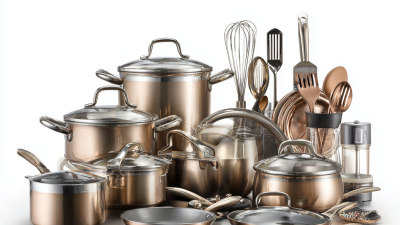
China’s steel cooking pot manufacturers supply a broad range of products for household, commercial, and food-service use, including stockpots, saucepans, frying pots, steamers, pressure-resistant designs, and multi-piece cookware sets. Buyers should compare stainless steel grades, base construction, wall thickness, heat distribution, surface finishing, and compliance with relevant food-contact and export safety standards. Reliable suppliers typically maintain documented production processes, material traceability, dimensional consistency, and inspection procedures from raw materials to finished Steel Cooking Pots.

Global wholesale buyers can request customized sizes, shapes, handles, lids, packaging, surface treatments, and product markings according to market requirements. Supplier evaluation should include factory capability, sample quality, communication, certifications, production capacity, and quality-control records. Before ordering, buyers should confirm specifications, minimum order quantities, pricing terms, payment conditions, lead times, and inspection arrangements. Shipping plans should address packaging protection, container loading, customs documentation, import duties, and destination-country requirements to support smooth and compliant delivery.
Lydia

Lydia

Lydia is a dedicated marketing professional at WeiHua Hardware & Electrical Co., Ltd., located in the vibrant Chao'an District of Chaozhou City. With a strong expertise in the hardware and electrical industry, Lydia plays a crucial role in promoting the company’s diverse range of high-quality......
Previous Why Choose Weihua Cranes From China?