Lately, the fashion industry has really been buzzing with a growing craving for unique, personalized styles. It’s like everyone wants to stand out a bit more these days. This shift has pushed brands to get creative and adapt pretty quickly. If you look at the stats from Statista, the global online fashion market is projected to hit over $767 billion by 2025 — pretty impressive, right? That’s a huge opportunity for brands like Boutiq, who focus on custom, one-of-a-kind fashion pieces.
Boutiq, for instance, offers personalized services that really speak to what different customers are into. Their whole vibe is about creativity and showing off your personal style — which is what many people are craving these days. That said, it’s not all smooth sailing; scaling up operations while keeping quality on point is a real challenge. Interestingly, surveys show that about 44% of shoppers are willing to pay a bit more for fashion that’s sustainable and ethically made. That’s definitely making Boutiq think about responsible sourcing and greener production processes.
As the fashion world keeps changing, staying innovative and flexible will be crucial for success. Boutiq needs to find that sweet spot between offering custom options and running efficiently. Competition is stiff out there, so having a distinct, memorable brand identity really matters. According to McKinsey, companies that embrace new tech tools gain a clear edge, but a lot still stick to traditional methods. That kind of gap shows just how important continuous improvement is, especially in a market that moves this fast.
China's Role in the Global Fashion Wholesale Market
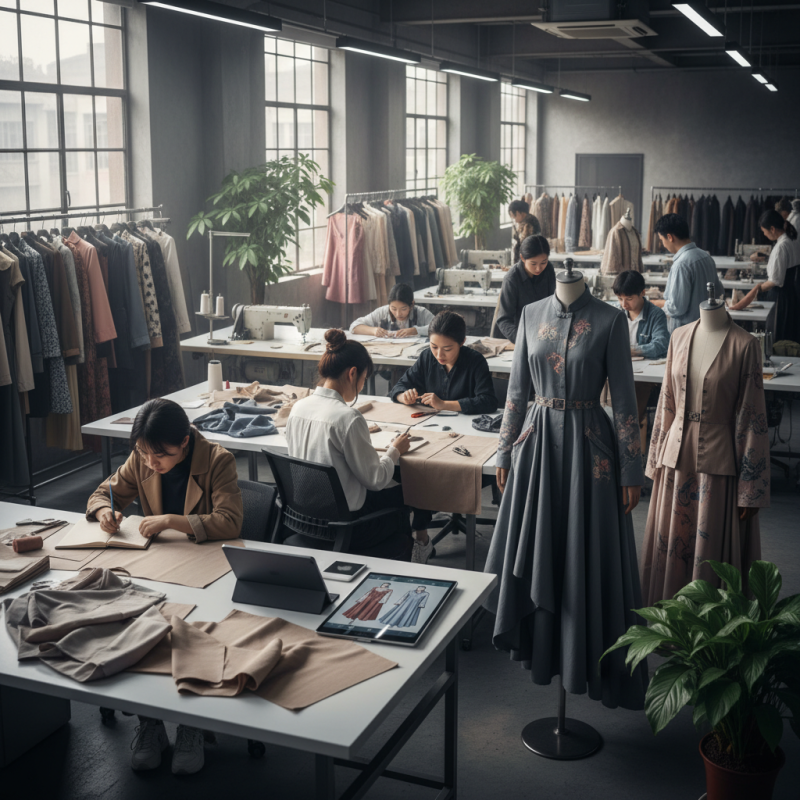
China has established itself as a key player in the global fashion wholesale market. With a booming manufacturing sector, it offers diverse garment options at competitive prices. Custom boutique services allow businesses to easily adapt to unique fashion trends. These services cater to various styles and preferences, providing flexibility in design.
When sourcing fashion products, consider the following tips: Research potential suppliers thoroughly. Look for factories with a strong reputation and positive reviews. Then, request samples to evaluate quality before committing to larger orders. This step can save you from future disappointments.
Embrace the importance of effective communication. Language barriers may arise, and misunderstandings can impact your business. Utilize clear descriptions and visual aids to convey your ideas. Misalignment in expectations often leads to frustration on both sides. Strive to build trust with your partners to foster long-term relationships. This approach is crucial in today’s fast-paced fashion world.
Understanding Custom Boutique Services in China
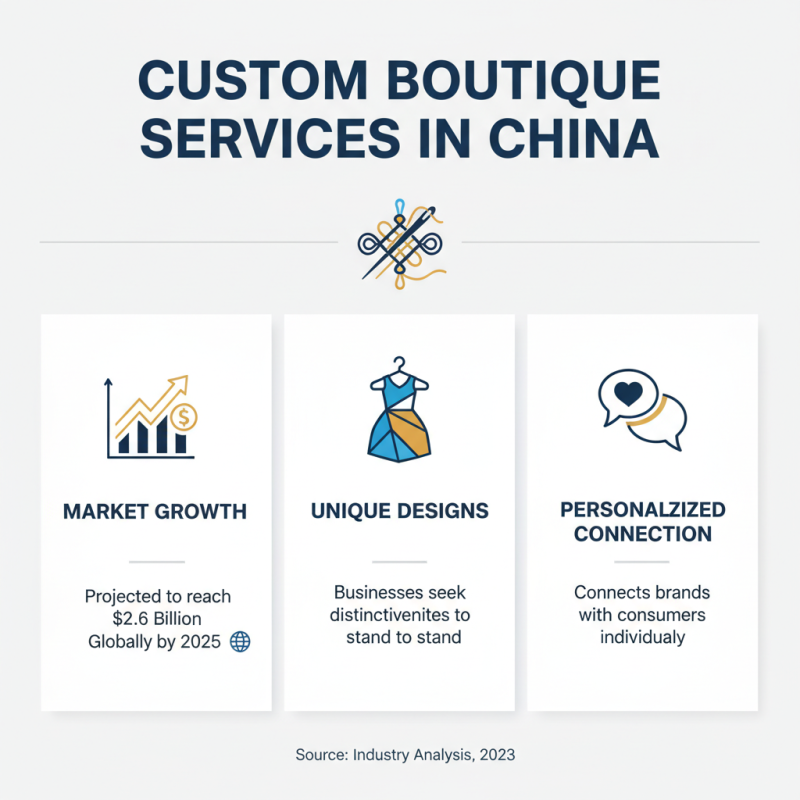
Custom boutique services in China have become a vital part of the fashion industry. This market has shown significant growth, with the global market for custom clothing projected to reach $2.6 billion by 2025. Many businesses seek unique designs that stand out. Customization allows brands to connect with consumers on a personal level.
The service spectrum varies widely, from design input to fabric selection. Brands can work directly with manufacturers, ensuring quality and originality. However, sourcing the right materials remains a challenge. Approximately 30% of businesses report difficulties in finding reliable suppliers. It’s essential to establish clear communication and expectations in these partnerships.
Emerging trends highlight the importance of sustainability in custom fashion. As consumers become more eco-conscious, brands must adapt. Reports detail that 60% of shoppers prefer brands that prioritize environmental responsibility. Nevertheless, balancing cost and sustainability poses a dilemma. Many brands struggle to maintain profit margins while opting for eco-friendly options. This ongoing challenge demands innovative solutions from the industry.
Emerging Fashion Trends in Chinese Wholesale Markets
Emerging fashion trends in Chinese wholesale markets showcase the evolving landscape of style and design. The shift towards sustainability is evident. Many manufacturers are exploring eco-friendly materials. They are also adopting ethical production practices. This change reflects a growing consumer awareness about environmental issues.
Another notable trend is customization. Shoppers now seek unique designs that represent their individual styles. Wholesale markets in China are adapting by offering tailored services. This allows buyers to blend cultural aesthetics with modern fashion. Collaborations between designers and local artisans are on the rise. These partnerships enhance creativity and result in exclusive collections.
However, navigating this dynamic market can be challenging. Sourcing quality materials and maintaining production standards requires expertise. While options abound, discerning the right fit for your business takes time. Reflecting on these complexities is essential for success. By staying informed about trends, buyers can make better decisions.
The Process of Customization in Chinese Fashion Wholesale
The customization process in Chinese fashion wholesale has gained significant traction. It allows retailers to cater to unique consumer tastes. Data reveals that approximately 80% of small to medium-sized fashion businesses have turned to custom orders. This shift is informed by trends favoring personalized experiences.
Customization involves several stages. First, designers gather insights about current market demands. The use of digital tools is prevalent here. According to a recent report, about 70% of fashion firms use software for design and production. This helps streamline communication with manufacturers. Feedback loops are essential during this phase, ensuring that the final product aligns with customers' expectations.
However, there are challenges. Many manufacturers struggle with scalability while maintaining quality. Reports suggest that more than half of the companies face issues during high-demand seasons. Additionally, maintaining a balance between cost-effectiveness and uniqueness requires constant evaluation. Sustainable practices are also becoming crucial, with 60% of consumers valuing environmentally friendly options. These considerations push for innovative solutions in the customization landscape, as brands navigate evolving consumer preferences.
China Top Wholesale Custom Boutiq Service for Unique Fashion Trends
| Customization Type | Material Options | Design Options | Minimum Order Quantity (MOQ) | Delivery Time (Days) |
| Clothing | Cotton, Polyester, Linen | Graphic Prints, Embroidery | 100 pcs | 30-45 |
| Accessories | Leather, Metal, Fabric | Custom Logos, Color Variations | 50 pcs | 20-30 |
| Footwear | Synthetic, Rubber, Canvas | Pattern Design, Sizing Options | 200 pcs | 45-60 |
| Outerwear | Down, Wool, Polyester | Tailored Fits, Color Choices | 150 pcs | 30-50 |
Benefits of Sourcing Fashion from China
Sourcing fashion from China has become increasingly popular among businesses. The country offers a wide range of unique styles and trends. With a rich history in textiles and manufacturing, China serves as a hub for innovators. Many companies discover exceptional quality at competitive prices when they source here.
One significant benefit is the ability to customize products. Chinese manufacturers often collaborate closely with designers. This direct communication allows for unique creations that stand out in today’s crowded market. However, navigating this process can be challenging. Language barriers and cultural differences might complicate negotiations. Businesses must remain patient and thorough in their approach.
Moreover, the fast turnaround times in production are notable. Many manufacturers can produce items quickly, responding to ever-changing fashion trends. Yet, overlooking quality control can lead to pitfalls. It's essential to establish clear guidelines and regular checks to ensure standards are met. Addressing these gaps fosters a stronger partnership with suppliers, enhancing the overall sourcing experience.
Challenges Faced by Boutique Brands in China
Boutique brands in China face various challenges in today’s fast-paced fashion landscape. Competing with mass-produced items is a significant hurdle. Many consumers gravitate toward established labels, often overlooking unique offerings. differentiating products remains crucial for survival in the crowded market.
Supply chain issues also pose a challenge. Sourcing quality materials can be complex. The rising costs of raw materials impact pricing strategies. Many boutique brands struggle to balance quality and affordability. An inconsistent supply may lead to delays that disappoint customers.
Additionally, marketing strategies need constant adjustment. Social media trends shift rapidly, leaving brands scrambling to keep up. Many brands find it hard to engage their target audience effectively. This creates a gap in visibility. Adapting to these dynamics requires not only creativity but also a solid understanding of market trends. In this landscape, continual reflection on business practices is essential for growth and resilience.
Challenges Faced by Boutique Brands in China
Future Directions for Wholesale Fashion Trends in China
In recent years, China's wholesale fashion market has witnessed a dramatic shift. Custom boutique services are becoming increasingly popular. These services allow businesses to tap into unique fashion trends. They cater to diverse customer preferences. The agility of these services is key. It enables rapid responses to changing trends.
E-commerce platforms play a significant role in this landscape. They offer a vast selection of styles and products. However, not all platforms maintain the same quality. Some overlook the importance of reliable suppliers. This inconsistency can lead to customer dissatisfaction. Brands need to carefully select their partners.
Innovation in design and production is vital. While many brands excel at creativity, some struggle with execution. Challenges remain in understanding what customers truly want. Data analytics can help brands make informed decisions. But not all companies use this tool effectively. Improvement in this area could redefine market dynamics in the future. Understanding local preferences will remain essential as the industry evolves.
Conclusion
China has emerged as a pivotal player in the global fashion wholesale market, especially with its unique custom boutique services catering to diverse fashion trends. The demand for personalized and distinctive fashion items has led to the rise of custom boutique offerings, allowing brands to tap into China's vast resources. These services enable businesses to create unique styles that resonate with various consumer preferences.
However, sourcing fashion from China does come with its challenges, including navigating cultural differences and ensuring quality control. As fashion trends continue to evolve within Chinese wholesale markets, brands that adapt to these changes and embrace innovation are likely to thrive. The future of wholesale fashion in China looks promising, with expectations for increased collaboration and the emergence of new styles that cater to a global audience seeking to elevate their boutique offerings.