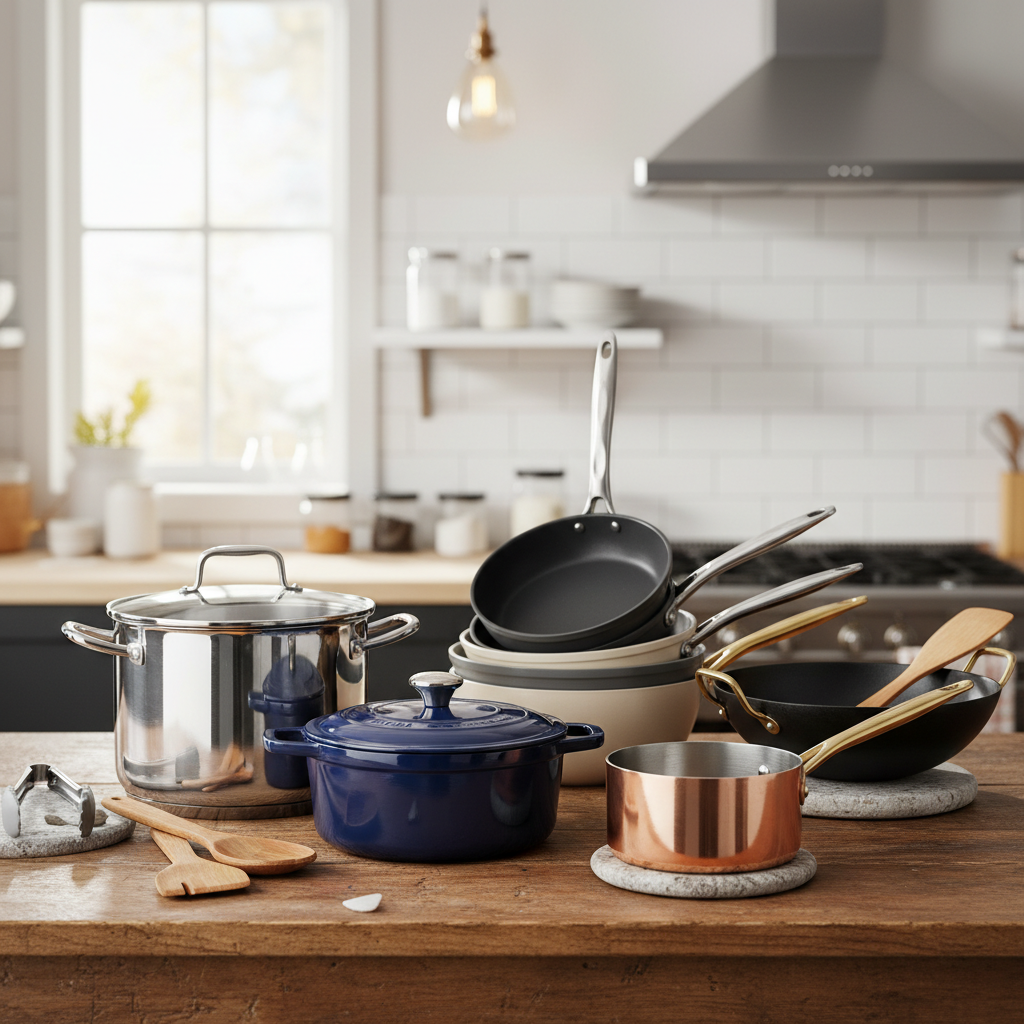
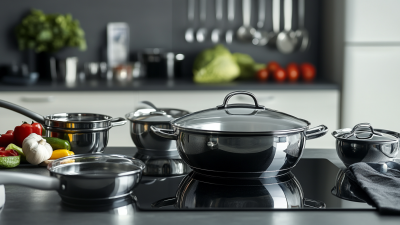
If you’ve ever wanted to step up your cooking game, picking out the right Pots And Pans is such a big deal. AtChaozhou Chaoan Weihua Hardware and Electrical Appliances Co., Ltd., we get it—Good Quality Cookware can totally change the way you whip up and enjoy your favorite meals. We’re all about innovation and making sure our customers are happy, so we’re here to help you find the perfect pots and pans that fit your cooking style and needs. Whether you're just starting out or you're a kitchen pro, having the right cookware really makes a difference in turning out delicious dishes.
In this article, I’ll share some handy tips on choosing cookware that’s just right for you—stuff that not only meets your cooking needs but also sparks your creativity in the kitchen. We’ll talk about things like materials, heat transfer, size, and style—stuff that’ll help you make smarter choices. Think of Weihua as your partner on this cooking journey; we’re dedicated to providing top-notch products that fuel your passion for cooking and make your time in the kitchen more enjoyable. So, let’s dive into what’s important when investing in pots and pans that will inspire your culinary adventures.
Understanding Different Types of Cookware Materials and Their Heat Conductivity
When choosing cookware, understanding the material's heat conductivity is crucial for achieving the best cooking results. Different materials have varying properties that can influence how evenly heat is distributed, how quickly pans heat up, and how well they retain heat. For instance, stainless steel is favored by many chefs for its ability to handle high heat and durability, making it ideal for searing and browning. In contrast, nonstick cookware offers a layer of convenience, ensuring easy clean-up while also preventing food from sticking, perfect for delicate items like eggs or pancakes.
Tips: When selecting cookware, consider titanium options for their lightweight and robust properties, albeit at a higher price point. For budget-friendly solutions, look for stainless steel or coated nonstick sets that provide great value without compromising on performance. Always check for non-toxic certifications to keep harmful chemicals out of your kitchen.
Understanding the nuances of each cookware type can help you create your ideal kitchen setup tailored to your cooking style and preferences. Whether you opt for traditional stainless steel or explore innovative materials like titanium, ensuring the right choice will enhance your culinary experience.
Assessing Your Cooking Style: What Pots and Pans Do You Really Need?
When choosing pots and pans for your cooking needs, it's essential to assess your cooking style. Are you a casual home cook, a baking enthusiast, or perhaps someone who loves to entertain? Understanding your culinary habits will help you determine which cookware is necessary. For instance, if you frequently prepare stir-fries, a high-quality wok would be indispensable. On the other hand, bakers should prioritize non-stick bakeware and durable mixing bowls.
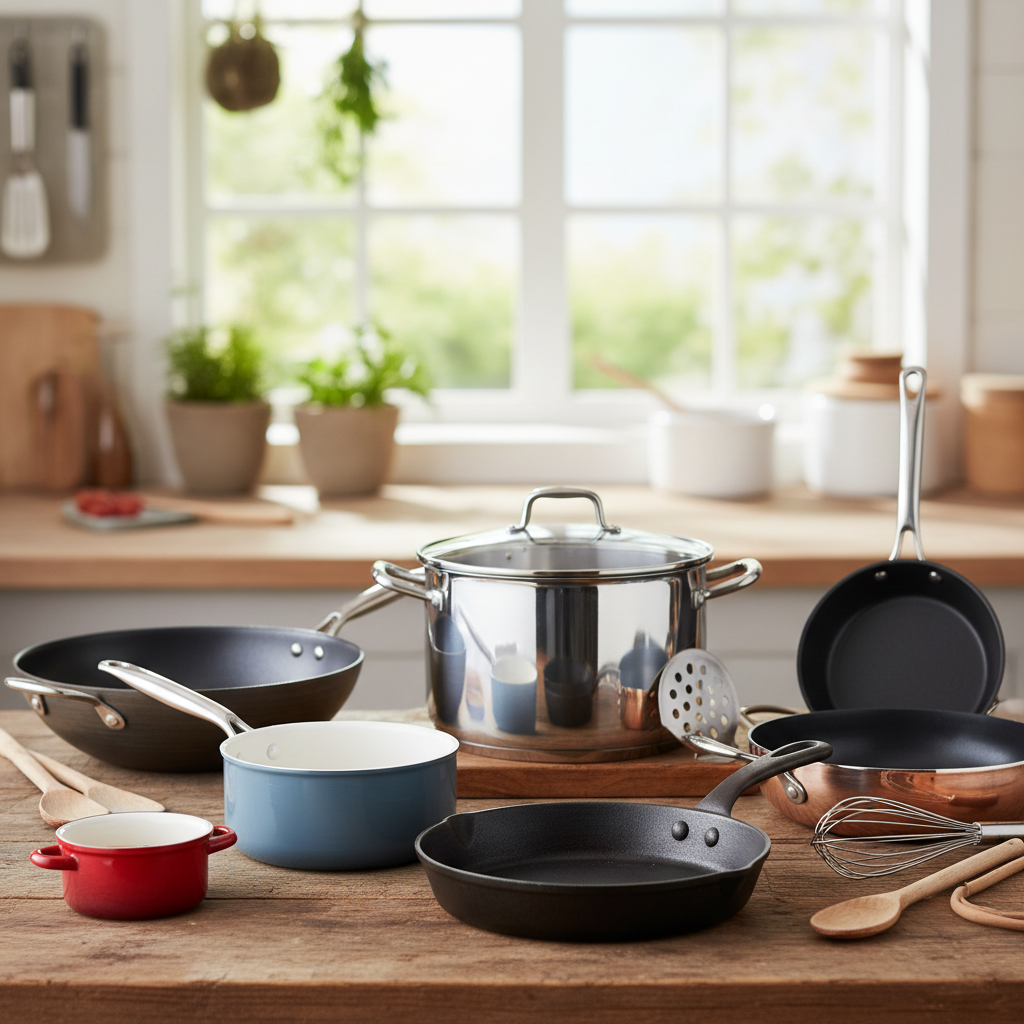
Tip 1: Consider the materials. Stainless steel is excellent for browning and is very durable, while non-stick coatings make for easy cleanup and are perfect for delicate foods like eggs. Cast iron is fantastic for high-heat cooking and retains heat well.
Tip 2: Pay attention to handle design and comfort. A pot or pan with a comfortable handle can make all the difference, especially when cooking for extended periods. Ergonomic designs can enhance your overall cooking experience, minimizing strain and improving safety.
At Chaozhou Chaoan Weihua Hardware and Electrical Appliances Co., Ltd., we understand the importance of quality in your kitchen tools. Our range of cookware aims to meet various culinary needs, ensuring that every customer can enjoy a seamless and satisfying cooking experience.
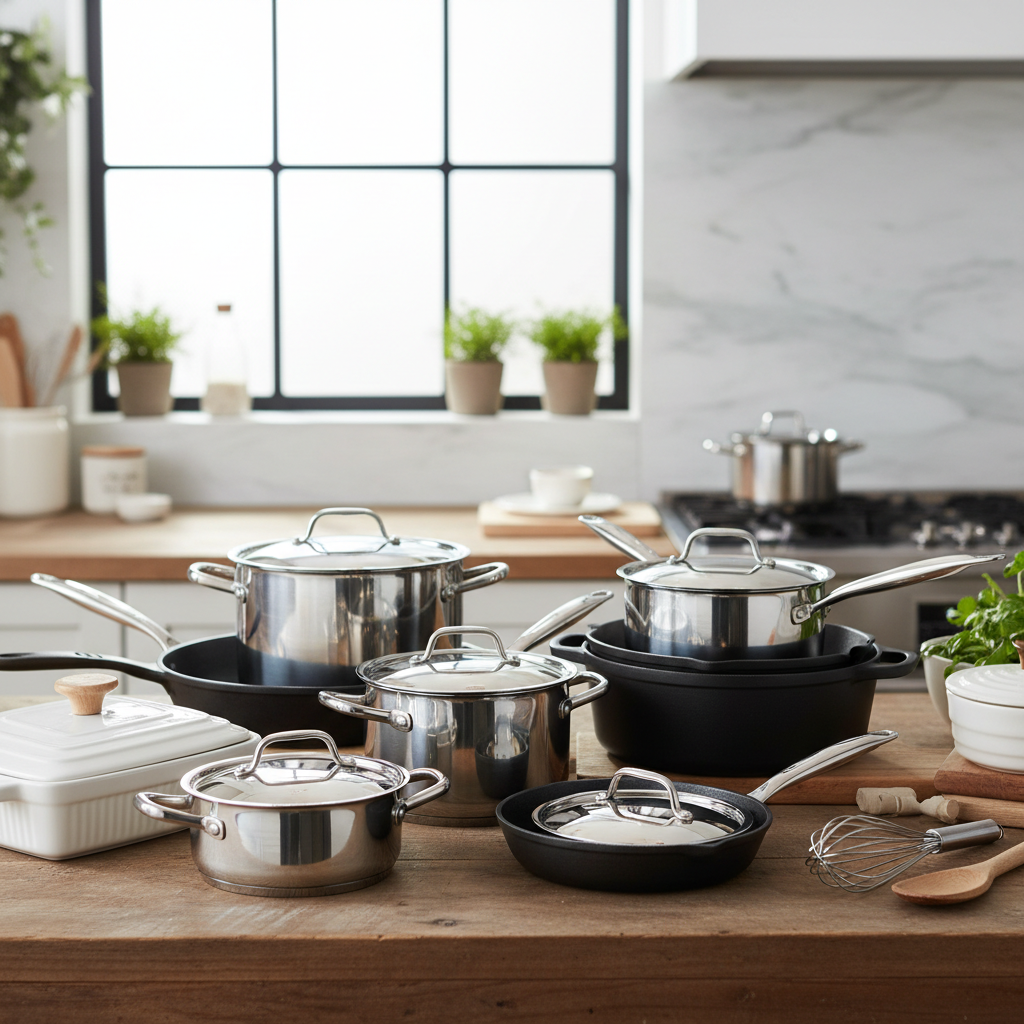
Evaluating Durability and Maintenance: Nonstick vs. Stainless Steel
When selecting pots and pans, durability and maintenance are crucial factors to consider. Nonstick cookware offers the advantage of easy food release and minimal cleanup, making it ideal for busy home cooks. However, it is important to note that nonstick surfaces can wear out over time, especially if exposed to high heat or metal utensils. To maximize their lifespan, users should opt for high-quality brands and practice gentle cooking techniques.
On the other hand, stainless steel cookware is renowned for its durability and resistance to scratching or denting. This material is less prone to wear and can withstand high-temperature cooking, making it suitable for a variety of culinary tasks. While stainless steel requires more effort in terms of cleaning—particularly if food gets stuck—a good quality stainless steel pan can last for decades with proper care. Understanding these maintenance needs is essential for anyone looking to invest in cookware that meets their specific cooking habits and equipment usage.
The Impact of Size and Shape on Cooking Efficiency and Food Quality
When selecting pots and pans, understanding the impact of size and shape on cooking efficiency and food quality is crucial. Larger pots may seem like the go-to choice for many dishes, but they can also lead to uneven cooking if not used properly. A wide sauté pan, for instance, allows for better evaporation, making it ideal for sauces, whereas a deep pot is perfect for soups and stews. Choosing the right shape can directly influence how your food cooks, ensuring even heat distribution and optimal flavors.
Tip: Consider your typical portion sizes when choosing pot sizes. If you often cook for one or two people, opting for smaller, more manageable pots can prevent overcrowding and promote better cooking results.
Furthermore, the shape of your cookware can also dictate how heat circulates around the food. A pan with high sides may trap steam, making it suitable for braising, while skillets with shallow sides encourage browning and crisping. Different cooking tasks require different shapes, so selecting the right one for your needs is essential.
Tip: Always think about the cooking methods you use most often—whether it's frying, boiling, or stewing—and match your pots and pans accordingly to ensure the best performance in your kitchen.
Budgeting for Quality: When to Invest in Premium Cookware Brands
When it comes to investing in cookware, budgeting is key, especially if you want to balance quality and cost. According to a report by the Cookware Manufacturers Association, high-quality cookware can enhance not only the cooking experience but also the longevity of your kitchen tools. Premium cookware brands often utilize superior materials, such as stainless steel and hard-anodized aluminum, which can withstand higher temperatures and offer better heat distribution. This can lead to improved culinary results, making it worthwhile for passionate home cooks to consider splurging on certain essential pieces.
Research shows that investing in a few high-quality pieces can be more cost-effective in the long run. A study from the Kitchenware Industry Association found that consumers who opted for premium brands reported a 50% reduction in pan replacement frequency compared to those who chose cheaper alternatives. Thus, while the initial investment may be higher—ranging from $200 to $600 for a solid set—buyers end up saving on frequent replacements and enjoy the benefits of enhanced performance and durability. Understanding when to invest can drastically improve your cooking journey and lead to more delicious meals over time.
How to Choose the Best Pots and Pans for Your Cooking Needs - Budgeting for Quality: When to Invest in Premium Cookware Brands
| Cookware Type | Material | Heat Distribution | Durability | Price Range | Best Use |
| Frying Pan | Stainless Steel | Even | High | $30 - $120 | Searing, frying |
| Saucepan | Non-stick | Good | Medium | $25 - $80 | Sauces, boiling |
| Stock Pot | Cast Iron | Excellent | Very High | $60 - $200 | Soups, stews |
| Dutch Oven | Enameled Cast Iron | Excellent | Very High | $80 - $300 | Baking, braising |
| Wok | Carbon Steel | Quick | High | $20 - $100 | Stir-frying, steaming |
How to Identify Induction Compatibility and Other Special Features
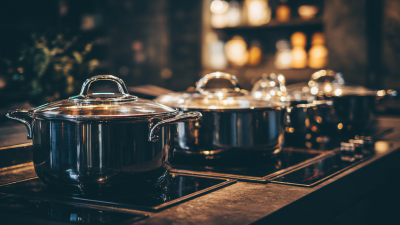
When selecting pots and pans, one key factor is induction compatibility, which is essential for those using induction cooktops. To check for this compatibility, use a magnet; if it sticks to the base of the cookware, it will work on an induction stove. Look for labeling on the product which indicates "induction ready" to ensure a proper match.
In addition to induction features, consider other special features that may enhance your cooking experience. For example, opt for non-stick coatings for easy cleanup or choose stainless steel for superior heat conduction and durability. Heavy-bottomed pans prevent warping and provide even heating, which is crucial for precise cooking.
Tips: Always read reviews on the performance of specific cookware in your cooking range to ensure it meets your needs. Also, consider the size and weight of the pots and pans, as this can impact your cooking efficiency and comfort in handling them.
Conclusion
When choosing the best pots and pans for your cooking needs, it's essential to understand the various cookware materials and their heat conductivity. Different cooking styles dictate the types of pots and pans you will require, whether you prefer nonstick options for easy cleanup or durable stainless steel for high-temperature cooking. Evaluating the size and shape of your cookware also contributes significantly to cooking efficiency and food quality. As you consider your budget, it's wise to determine when to invest in premium brands that offer superior performance and longevity. Additionally, understanding features like induction compatibility can enhance your culinary experience. At Weihua, we partner with our customers to ensure they find the right pots and pans that fit their needs, emphasizing quality and innovation in every product.