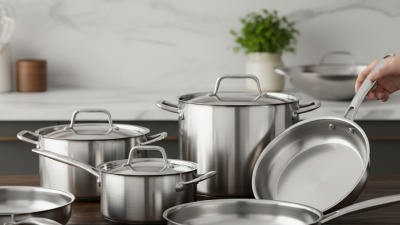
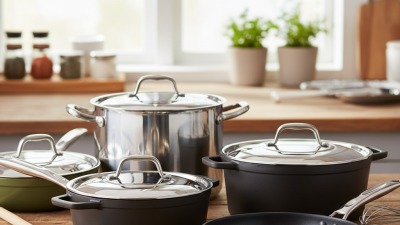
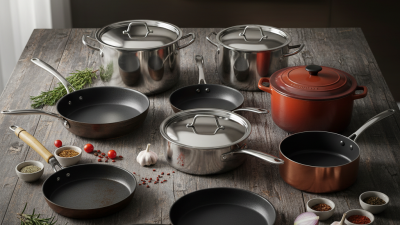
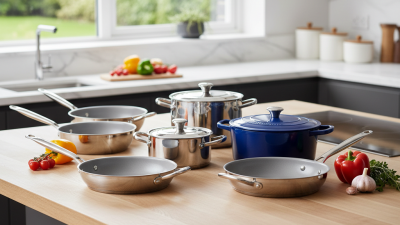
Picking out the right Cookware Set can really change the game when it comes to cooking at home. A good set not only makes your meals taste better, but it also helps you get things done in the kitchen a lot more smoothly. There are plenty of brands out there, like T-fal and Cuisinart, offering all sorts of options. But the real question is—which one is actually right for you?
It’s super important to think about your own cooking style and what you prefer. If baking's your thing, you might want different types of cookware compared to if you’re all about sautéing or frying. It helps to get familiar with the basics—like Stainless Steel, non-stick, and cast iron—since each has its own perks and quirks. Honestly, understanding what suits your needs can make a huge difference.
And, of course, consider your regular cooking habits. Are you often cooking for a big family, or just yourself? Also, are you interested in buying a Cookware Set Wholesale to save some cash? Thinking about these things can point you in the right direction. Taking some time to do a bit of research now means you’ll end up with a set that’s perfect for years to come—trust me, it’s worth it.
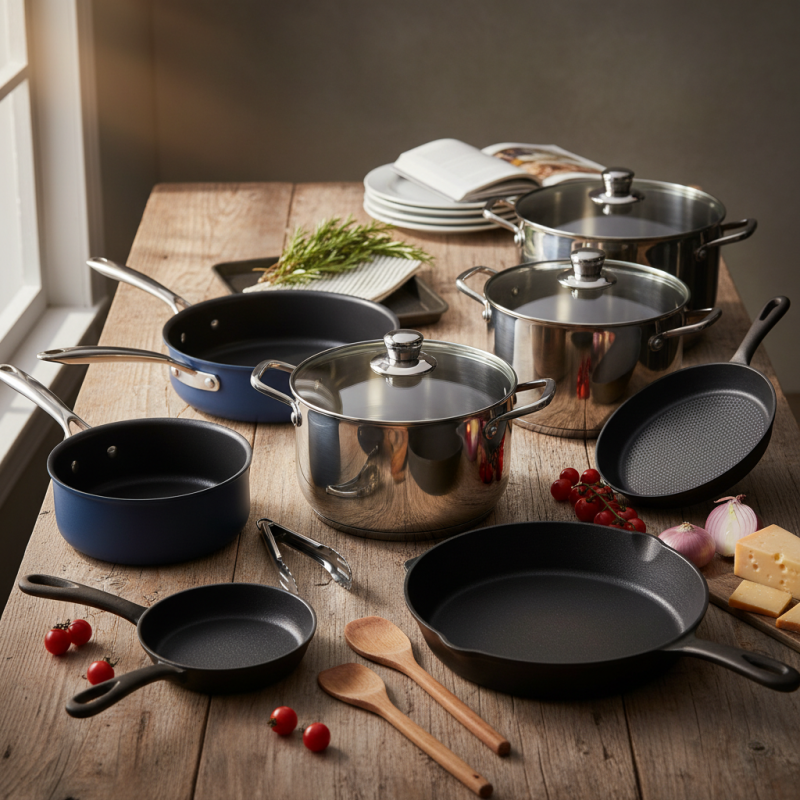
Understanding Different Types of Cookware Materials Available
Choosing the right cookware set for your kitchen involves understanding different materials and their benefits. Stainless steel is popular for its durability and resistance to rust. According to a recent survey by the National Kitchen and Bath Association, 63% of chefs prefer stainless steel for its heat conductivity. Yet, it can be quite heavy and may require more maintenance.
Non-stick pans are another common option. They are praised for easy cooking and cleaning, appealing to busy home cooks. However, they can scratch easily and have a limited lifespan. Reports indicate that most non-stick coatings last two to five years with proper care. Always inspect for wear and be cautious with metal utensils.
Cast iron cookware is revered for its heat retention and versatility. It's exceptional for slow cooking and can go from stovetop to oven. But, it is heavy and requires seasoning to maintain its non-stick surface. Regular users acknowledge that this maintenance can be a hassle, though it's worth it for the results.
Tip: Consider how often you cook. If you frequently make complex meals, invest in a durable China Cookware Set. It will save time and improve your cooking experience. Remember to balance quality with your cooking habits and storage space. Evaluate each type, and reflect on what suits your lifestyle best.
Key Factors to Consider When Choosing Cookware Sets
Choosing the right Cookware Kitchen Set can drastically affect your cooking experience. Start by considering the material. Stainless steel is durable and non-reactive. Non-stick options help with easy clean-up but may wear over time. Cast iron retains heat well but requires maintenance. Reflect on what you cook most often, as this can guide your choice.
Size and versatility matter too. A set that includes various pot and pan sizes is ideal. This allows for different cooking techniques. Look for a cookware kitchen set that includes pieces like saucepans, frying pans, and stockpots. It’s important to balance your needs and kitchen space.
Finally, think about the handle design and heat resistance. Some handles get too hot while cooking. Ensure they offer a good grip for safety. It’s also essential to learn how to care for each type of cookware. Not every set is perfect; some might chip or scratch easily. Adapt your choices based on your cooking habits and kitchen environment.
Assessing Heat Conductivity and Cooking Performance
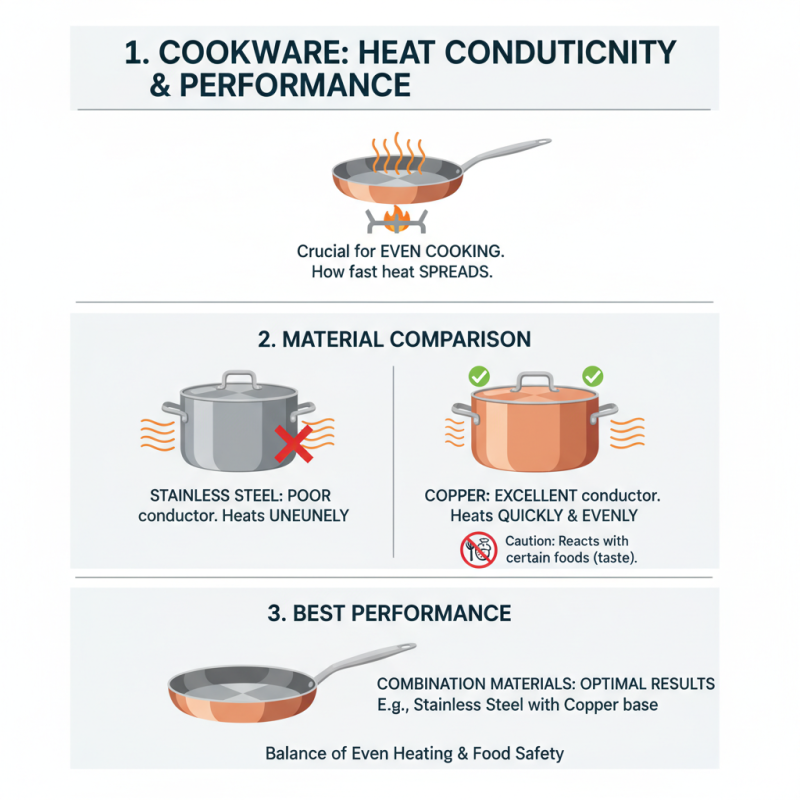
When selecting cookware, heat conductivity is crucial. It determines how evenly heat spreads across the cooking surface. For example, stainless steel may not conduct heat well, while copper excels at this. However, copper can react with certain foods, which could affect taste. Many opt for a combination of materials for the best results.
Consider the cooking performance that aligns with your style. Non-stick surfaces can simplify cooking and cleaning, yet they often wear out faster. Cast iron retains heat incredibly well, making it ideal for searing. However, it requires maintenance to prevent rust, which can be a hassle.
It's vital to assess your cooking habits. Do you frequently cook at high temperatures? If so, heavy-duty materials are better. Light pans might warp under high heat. Ultimately, weigh the pros and cons of each material. Engaging with different cookware types can help you discover what truly fits your kitchen needs.
Exploring Non-Stick vs. Traditional Cookware Options
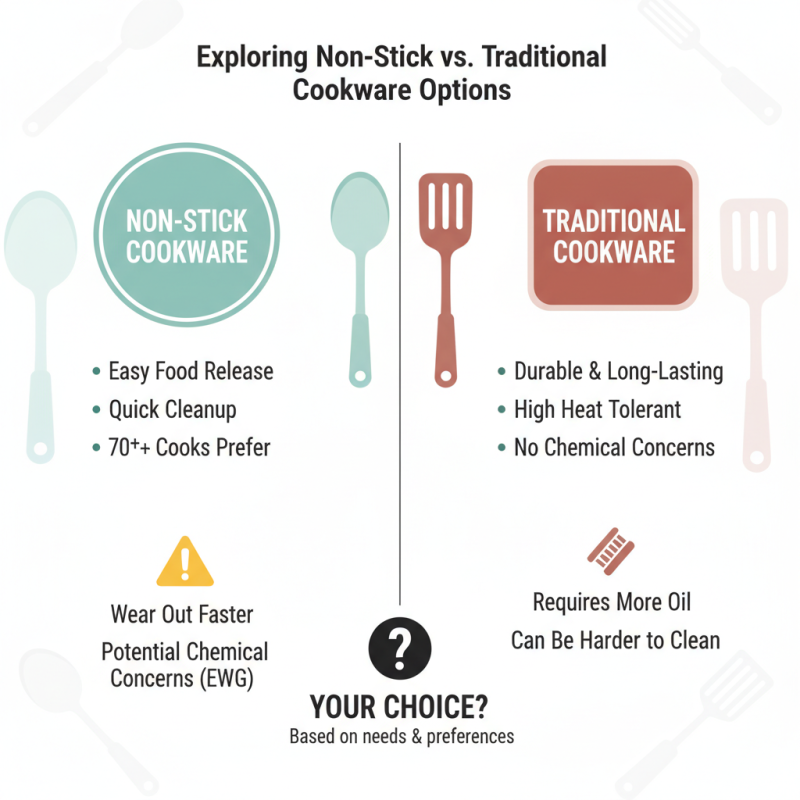
When considering cookware options, the debate between non-stick and traditional cookware is essential. Non-stick cookware offers easy food release and quick cleanup. Reports indicate that over 70% of home cooks prefer non-stick for everyday meals. However, some argue that non-stick surfaces may wear out faster and potentially release harmful chemicals. Research by the Environmental Working Group highlights concerns about certain non-stick coatings.
Traditional cookware, such as stainless steel or cast iron, often withstands the test of time. These materials distribute heat evenly, enhancing cooking performance. A survey showed that 60% of chefs prefer stainless steel for searing and browning. However, they require more maintenance and are less forgiving with certain foods. Users often find themselves scrubbing food residues stubbornly stuck on the surface.
Tip: When choosing cookware, consider your cooking style. If you frequently prepare sticky dishes, a non-stick option might be better. More versatile cooks may benefit from a mixed set, balancing non-stick for convenience and traditional cookware for durability. Remember, each type has its merits and drawbacks. Evaluating your preferences is key to a successful kitchen.
Evaluating Durability and Maintenance of Cookware
When choosing cookware, durability and maintenance are crucial. Quality cookware can last years, if not decades, with the right care. Many materials offer good durability. Stainless steel, for instance, resists scratches and dents. Cast iron, while heavy, can endure high temperatures and last a lifetime when seasoned properly.
Maintenance plays a vital role in longevity. Non-stick pans require careful handling. Avoid using metal utensils. High heat can damage their coating, making them less effective. Regular cleaning using gentle methods keeps their surfaces intact. Always follow the manufacturer’s guidelines to maintain the cookware’s performance. Some may find it tedious to read instructions.
Reflect on how often you use each piece. Over time, this can affect your cookware’s condition. Frequent washing and stacking may scratch surfaces. Invest in proper storage solutions to minimize damage. Choosing the best cookware set means understanding how to care for each item. Prioritize durability without neglecting maintenance.
Size and Compatibility with Your Kitchen Setup
When selecting a cookware set, size is crucial. Assess your kitchen space carefully. Consider cabinet height, stove dimensions, and available counter space. A compact area can limit your choices. Smaller pots and pans may be easier to manage in tight kitchens.
Compatibility is also essential. Ensure your cookware can work with your appliances. For induction stoves, a Cookware Set Stainless is often a better fit. However, if you have a gas range, a range of materials will serve you well. Mixing and matching can create a diverse cooking environment.
Reflect on your cooking habits. Do you prepare large meals or simple dishes? Assess the volume of cooking you do. You may need larger pots or specialty pans. Keep in mind that choosing a set shouldn’t feel overwhelming. It may take effort to find the right fit that meets both space and cooking needs.
How to Choose the Best Cookware Set for Your Kitchen? - Size and Compatibility with Your Kitchen Setup
| Cookware Type | Size (Inches) | Material | Compatibility |
| Skillet | 10 | Stainless Steel | Gas, Electric, Induction |
| Saucepan | 2 Quart | Aluminum | Gas, Electric |
| Stockpot | 8 Quart | Stainless Steel | Gas, Electric, Induction |
| Dutch Oven | 6 Quart | Cast Iron | Gas, Electric, Induction |
| Baking Sheet | 13 x 18 | Aluminum | Electric Oven |
Budget Considerations for Quality Cookware Selections
When selecting cookware, budget is a key factor. A high-quality cookware set doesn’t always mean spending a fortune. You can find affordable options that still offer durability and performance. Look for materials that enhance cooking while being budget-friendly. For example, a sturdy Inox Cookware Set provides excellent heat distribution without breaking the bank.
Consider what you frequently prepare. If you love sautéing, investing in a non-stick option can save time and effort. Some budget sets may skimp on quality, leading to uneven cooking. It’s vital to read reviews and ask for recommendations. Durability should not be sacrificed for a lower price.
Sometimes, less popular brands offer products that rival well-known names. They often don’t get the attention they deserve. Focusing on user experience can reveal reliable cookware options. Watch out for deals during sales events; you might find a premium Inox Cookware Set for a fraction of the regular price. Engage with community forums to gain insight and avoid poor choices. Prioritize both value and quality for satisfying cooking experiences.
Budget Considerations for Quality Cookware Selections
Stylish and Functional: Exploring the WEIHUA Matte Black Cookware Set with Elegant Rose Gold Handles
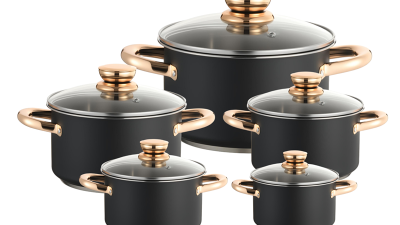
The WEIHUA Matte Black Cookware Set stands out not only for its stylish appearance but also for its practical design, featuring elegant rose gold handles that bring a touch of sophistication to your kitchen. The matte black finish not only makes a bold statement but is also highly functional, as it helps to disguise wear and tear over time. This cookware set includes a range of casseroles that cater to various cooking needs, whether you're preparing a small meal or a feast for family and friends.
The set offers casseroles in different sizes, including options like a 16×9.5 cm casserole with a capacity of 1.9 L, to larger models such as the 24×13 cm casserole, which holds a generous 6.0 L. This variety allows for versatility in meal preparation, making it easier for cooks to select the appropriate vessel for their culinary creations. Industry reports indicate that the global cookware market is expected to grow significantly, with functional and aesthetically pleasing kitchen tools becoming increasingly popular among consumers. With a focus on durability and performance, the WEIHUA cookware aligns well with current market trends that favor products combining style with practicality.
In addition, the rose gold handles not only enhance the visual appeal but are also designed for ergonomic comfort, ensuring a secure grip while cooking. The need for combination products that are both functional and visually appealing is underscored by a survey indicating that 68% of consumers consider design an essential factor when purchasing cookware. As cooking becomes a more integrated part of home life, the practical luxury offered by the WEIHUA Matte Black Cookware Set positions itself as an ideal choice for the modern kitchen.
FAQS
: Heat conductivity affects how evenly heat spreads. This influences cooking consistency.
Copper conducts heat well. Stainless steel may not be as effective.
Choose materials based on your cooking habits. Non-stick surfaces ease cooking, but may wear out faster.
Assess your kitchen space. Compact areas may limit pot and pan options.
Yes, ensure cookware works with your stove type. Induction stovetops require specific materials.
Look for affordable options that still offer durability and performance.
Lower-quality sets can lead to uneven cooking. It's a gamble that could affect your meals.
Yes, lesser-known brands may offer quality that rivals better-known names.
Take your time. Assess your cooking volume and needs before selecting.
Engaging in forums provides user experiences and can reveal reliable options.
Conclusion
When selecting the best cookware set for your kitchen, it’s essential to understand the various materials available, including stainless steel, cast iron, and non-stick options. Each type has its unique advantages and drawbacks, impacting your cooking performance and maintenance. Key factors to keep in mind include heat conductivity, which influences how evenly your food cooks, and the durability of the cookware, ensuring it withstands daily use.
Additionally, consider the size and compatibility of the cookware set with your kitchen setup, as well as your budget, which can affect the quality of the products you choose. Exploring the differences between non-stick and traditional cookware will also help determine what best suits your cooking style and needs. Ultimately, careful consideration of these elements will lead you to a cookware set that enhances your culinary experience.