Picking out the right Chopping Board Tools is actually pretty important if you want your kitchen to run smoothly. A good chopping board isn't just about looks — it plays a big role in keeping your food safe and making cooking more enjoyable. According to a report from the Food Safety Authority, using the wrong cutting surface can lead to cross-contamination, which is kinda scary. In fact, about 75% of kitchen illnesses come from contaminated surfaces—so it’s no joke.
Now, different materials have their own perks. Wooden boards give off a nice, classic vibe and are gentle on knives, but plastic boards are super easy to clean and sanitize. Just a heads up, though— not all plastics are created equal. The National Sanitation Foundation has pointed out that some plastic types can actually hold onto bacteria more than wood. So, getting to know the ins and outs of these Chopping Board Tools really matters if you’re serious about your cooking.
Honestly, with so many options out there, it’s tempting to pick a board just because it looks good. But that can be a mistake, especially if you forget about maintenance — which can lead to hygiene issues down the line. In a kitchen, especially when food safety is on the line, choosing the right tools really does make a difference. Take a moment to think about your habits and what really works best for your cooking style before grabbing that perfect-looking board — because functionality shouldn’t take a backseat to style.
Factors to Consider When Choosing Chopping Boards for Your Kitchen
Choosing the right chopping board is crucial for your kitchen. There are several factors to consider. The material, size, and thickness can significantly impact your cooking experience. Wood, plastic, and bamboo are among the common materials. Each type has its pros and cons. Wood boards are gentle on knives but can harbor bacteria if not cleaned properly. Plastic is easy to sanitize but may dull your blades faster.
When deciding on size, think about your cooking habits. A large board provides ample space, but may be cumbersome to clean. A smaller board is easier to manage, yet may feel restrictive. Balance is key. Thickness often influences durability. A thicker board can withstand heavy use, while a thinner one is lightweight but may warp over time.
**Tips:** Opt for a board that suits your cooking style. If you chop often, consider a larger and sturdier option. Keep in mind that some boards may stain easily. Regular maintenance is essential to prolong life. Join the effort to create a functional kitchen space with the right tools. Don’t forget, personal preference plays a big role in your choice.
Choosing the Right Chopping Board Materials
Material Options: Wood, Plastic, and Bamboo – Pros and Cons
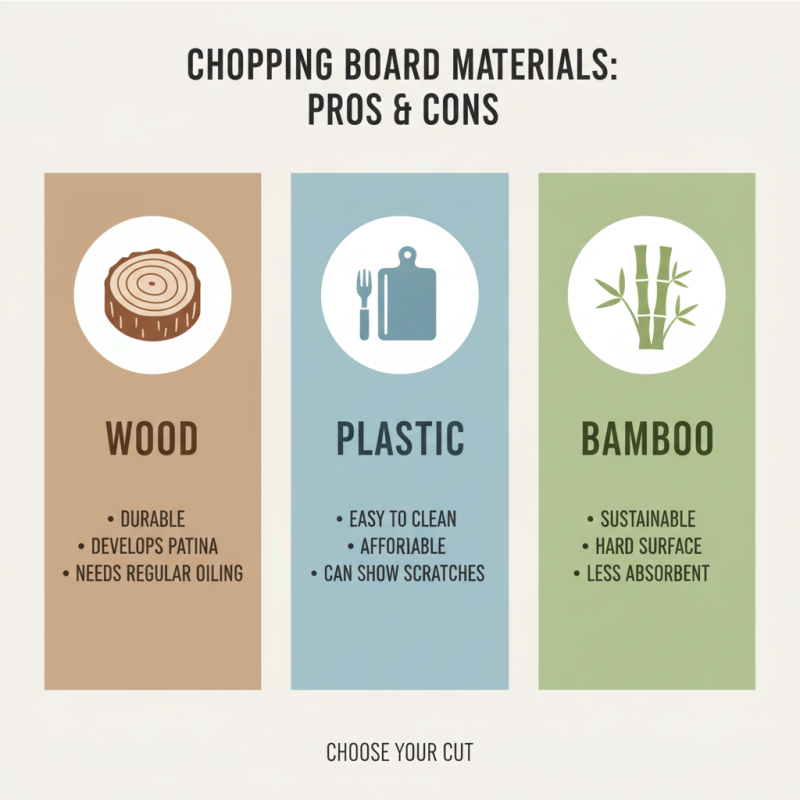
When considering chopping board materials, wood, plastic, and bamboo each have unique features. Wooden boards are beautiful and durable. They develop a patina over time, adding character. However, they require more maintenance. Regular oiling is needed to avoid cracking and warping. While some people love the aesthetic, others find the upkeep a hassle.
Plastic boards, on the other hand, offer convenience. They are lightweight and dishwasher-safe. Cleaning is easy, but they can harbor bacteria in deep grooves. Some users notice these boards can dull knives faster, which may be a concern for cooking enthusiasts. Bamboo boards present a middle ground. They are eco-friendly and less porous than wood. Yet, they can be harder and may also dull knives. Each choice comes with considerations. Reflect on how you cook and your willingness to care for your tools. Each material has its trade-offs, impacting your kitchen experience.
Understanding Knife Safety and Edge Preservation with Board Choices
Choosing the right chopping board is crucial for knife safety and edge preservation. Wood boards often provide a softer surface. They are gentler on knife edges, helping blades stay sharp longer. Plastic boards are easier to clean but can cause more dulling over time. Consider how each type interacts with your knives.
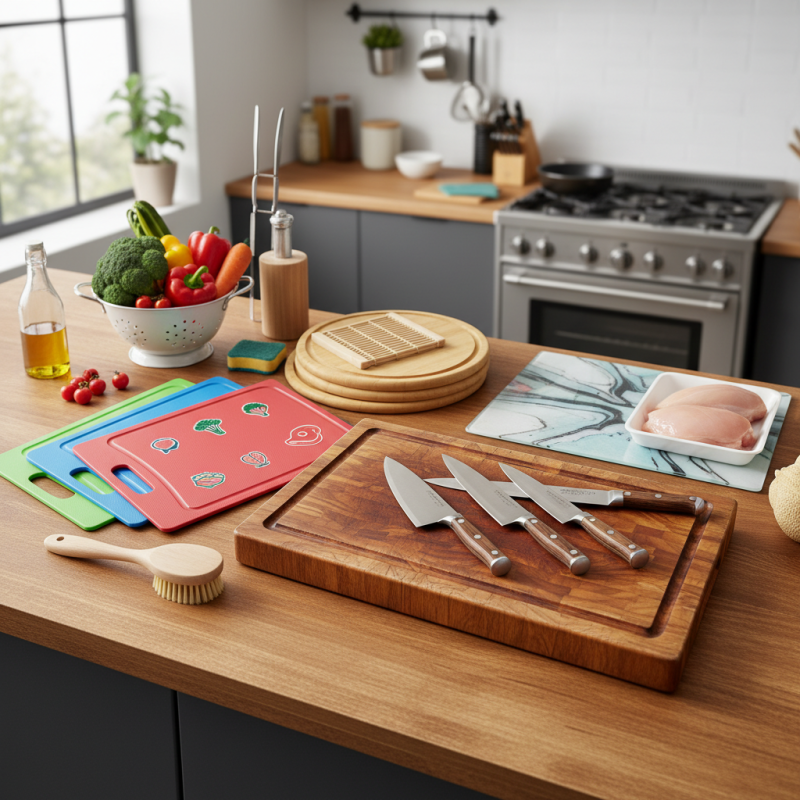
Using different boards for various foods can be beneficial. A dedicated board for meats helps prevent cross-contamination. A colorful board for veggies can bring some fun to meal prep. However, many overlook the impact of pressure and force. Applying too much pressure while chopping can damage both the board and knife.
Rinse and dry boards properly after use. Allowing them to soak or remain wet can cause warping or bacteria growth. Regular maintenance of boards extends their life. Not everyone does this consistently, which results in sharp knives losing their edge prematurely. Reflect on your practices and consider changing them for better results.
Hygiene Standards: How to Maintain a Safe Chopping Surface
Maintaining hygiene standards is crucial in the kitchen. A clean chopping board can reduce the risk of foodborne illnesses. Research indicates that over 48 million people experience food poisoning in the U.S. each year. This emphasizes the importance of selecting and maintaining the right chopping surface.
When choosing a chopping board, consider the material. Wood boards are often touted for their antibacterial properties. However, they require more care than plastic boards. A study found that non-porous surfaces harbor fewer bacteria. It’s essential to regularly clean and sanitize all types of boards after each use. Using hot, soapy water is a simple but effective method.
Keeping Different Cooking Tools sanitized is important too. Some people neglect to wash their cutting tools after use, which can lead to cross-contamination. Always store boards in a clean, dry place. This helps prevent the growth of harmful bacteria. Regularly check for wear and tear on your boards. A cracked surface can hide bacteria. A well-maintained chopping board ensures a safer cooking environment.
Size Matters: Selecting the Right Dimensions for Your Cooking Needs
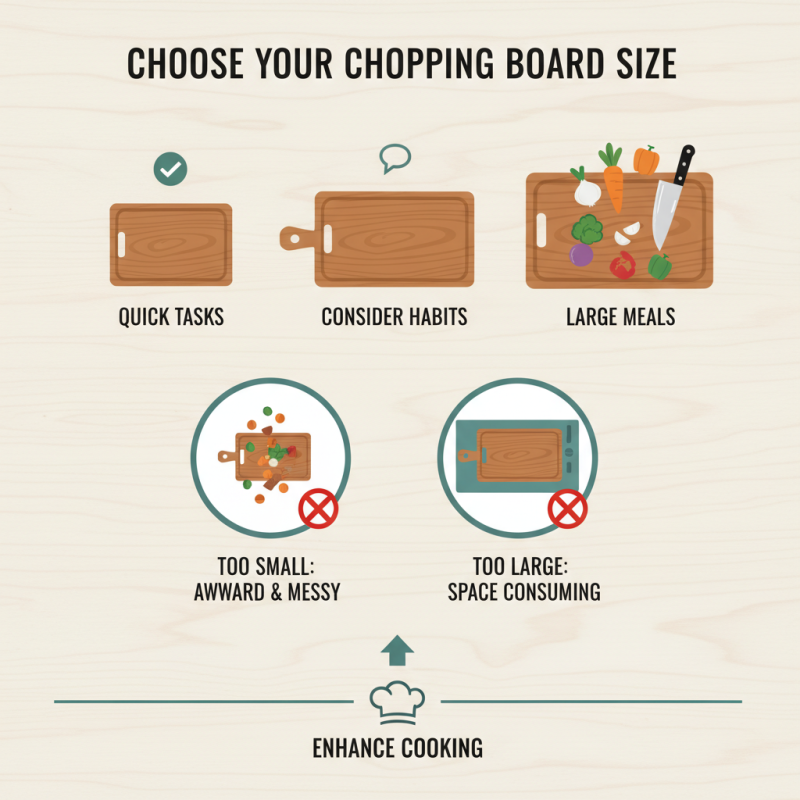
Choosing the right size for your chopping board can greatly enhance your cooking experience. A board that is too small can make chopping awkward and messy. On the other hand, an excessively large board may take up too much space in your kitchen. Consider your cooking habits. If you prepare large meals often, a bigger board offers more room to work. For quick tasks, a smaller size may suffice.
The thickness of the board matters as well. Thicker boards can withstand heavy chopping without warping. Yet, they can be cumbersome to handle. A balance is needed. You may find a medium thickness useful for various tasks. This allows for ease of use while still being durable. And, remember the material you select plays a role in maintenance. Wooden boards may require more care, but they are a joy to use.
Function Of Kitchen Tools is vital. While aesthetics matter, practicality should come first. Think about how often you will use the board and for what purposes. It’s easy to buy a beautiful board, but if it doesn’t fit your needs, it becomes a burden. Ask yourself: will it enhance my cooking? Reflecting on these considerations can lead to better choices in your kitchen tools.
Maintenance Tips for Longevity of Your Chopping Board
Maintaining your chopping board is essential for extending its life. Regular cleaning is the first step. After each use, wash it with warm, soapy water. Rinse thoroughly and dry immediately. Avoid soaking it in water, as this can warp the board. Remember, dishwasher use is also a big no.
Oil your board every few weeks. This helps protect the wood and keeps it from drying out. Use food-safe mineral oil for this purpose. Apply a thin layer and let it soak in overnight. It’s a ritual that makes your chopping board last. Inspect your board regularly for deep cuts or cracks. Grooves can harbor bacteria, making it less safe for food prep in your Kitchen And Tools. If the damage is severe, consider sanding it down gently.
Lastly, store your board properly. Keeping it in a dry, cool place will keep it in good shape. Stacking heavy items on top may cause warping. A little attention goes a long way. Embrace these tips to ensure your chopping board remains a reliable tool in your kitchen.
Environmental Impact: Choosing Sustainable Materials for Your Kitchen
Choosing the right chopping board tools is crucial for sustainable cooking. Opting for sustainable materials helps reduce negative environmental impacts. Bamboo, for example, grows quickly and regenerates easily. It’s a durable option, yet many overlook it. Wood boards, while traditional, come from slower-growing trees. This choice can contribute to deforestation if sourced irresponsibly.
Tips for selecting a sustainable chopping board include checking the source of the material. Look for certification that ensures responsible harvesting. As you consider your Kitchen Tools And Function, think about their longevity. A board that stands the test of time is more sustainable than buying cheaper alternatives often.
Another aspect to reflect on is maintenance. Some materials require more care than others. Plastic boards might seem easy, but they often end up in landfills. Focusing on wood or bamboo can minimize waste. Take a moment to think about your kitchen's environmental footprint. Making informed decisions today can lead to a healthier planet tomorrow.
How to Choose the Right Chopping Board Tools for Your Kitchen? - Environmental Impact: Choosing Sustainable Materials for Your Kitchen
| Material | Sustainability Rating | Durability | Maintenance | Price (USD) |
| Bamboo | High | Medium | Easy | 20-50 |
| Wood (Maple) | Medium | High | Moderate | 30-70 |
| Plastic | Low | Medium | Easy | 10-25 |
| Glass | Medium | High | Easy | 25-60 |
| Recycled Materials | High | Medium | Moderate | 20-55 |
Maximizing Kitchen Efficiency: Insights from Industry Reports on Non-Stick Cookware and the WEIHUA Straight Body 12PCS Set
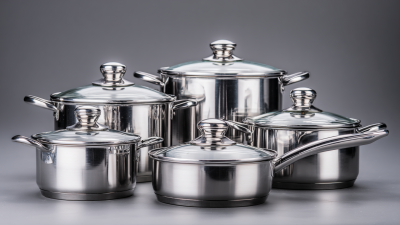
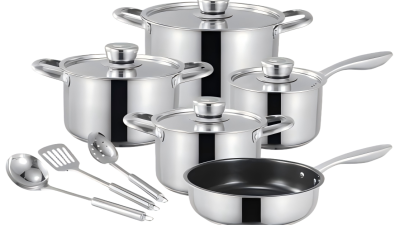
Maximizing kitchen efficiency is essential for both home cooks and professional chefs, and understanding the right tools can make all the difference. Non-stick cookware has become a staple in many kitchens, enabling easier food release and simplified cleaning. With options such as casseroles in varying sizes—18×11.5 cm (2.5 L), 20×12.5 cm (3.4 L), and 24×14.5 cm (5.9 L)—these versatile dishes can cater to various cooking needs, from simmering stews to baking casseroles.
Complementing the casserole options, a Frying Pan measuring 24×7.5 cm with a non-stick interior is ideal for frying, sautéing, or searing. The added benefit of a saucepan at 16×10.5 cm (1.7 L) offers a perfect solution for preparing sauces, boiling, or steaming smaller portions. To extend functionality, incorporating three essential kitchen tools—a soup ladle, slotted turner, and skimmer—enhances the cooking experience and ensures a smooth workflow in the kitchen.
The WEIHUA Straight Body 12PCS Set combines these elements, reflecting modern kitchen design with efficiency in mind. By choosing the right cookware and tools, home cooks can maximize their cooking efficiency while creating delicious and beautifully presented meals.
FAQS
: The article aims to inform readers about relevant topics.
Yes, there are guidelines to follow when discussing certain content.
It is good to check regularly for any new information.
Avoid discussing any illegal activities or substances.
Yes, sharing thoughts is encouraged; it can deepen understanding.
It’s fine to disagree. Reflecting on differing opinions is valuable.
Yes, examples help clarify the key points discussed.
Some information might vary; it’s important to consider local context.
Review the guidelines closely before sharing any information.
Feel free to reach out with additional queries for clarity.
Conclusion
Choosing the right chopping board tools for your kitchen involves considering several key factors. First, examine the material options available—wood, plastic, and bamboo each have their pros and cons related to durability, knife safety, and ease of maintenance. Understanding how your choice impacts knife edge preservation is crucial for maintaining kitchen efficiency. Hygiene is another important consideration; proper maintenance is essential for ensuring a safe chopping surface, which includes cleaning practices that foster food safety.
Additionally, selecting the appropriate size of your chopping board tools can enhance your cooking experience, accommodating various ingredients and preparation styles. Finally, considering the environmental impact of your choices leads to more sustainable practices in your kitchen, allowing you to enjoy functionality while supporting eco-friendly materials. By weighing these factors, you can make an informed decision that suits your culinary needs effectively.