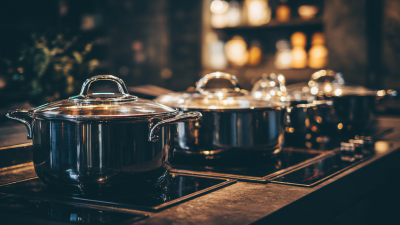
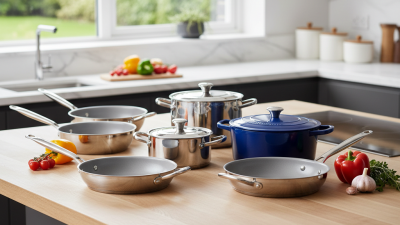
Picking the right pots and pans for your kitchen isn’t just about having stuff that looks good—it really makes a difference when you're cooking. I recently read a report from the Global Cookware Market, and it turns out, more people are on the hunt for high-quality stuff, especially Stainless Steel Pots and Pans. Seems like folks are really into durability and good heat transfer these days. Honestly, around 70% of home cooks say that having good cookware helps them get better results in the kitchen.
Good Quality Pots and pans can totally change the game when you're prepping meals. Things like even heat distribution, how long they last, and how easy they are to clean—that’s what really matters. I’ve heard stories of frustration from people dealing with cheap pans that warp or burn easily, which leads to uneven cooking. That’s a pretty common issue, and it often makes people think twice about their choice of cookware.
And let’s be honest, choosing cookware isn’t just about function. Looks matter too. Nice-looking cookware can actually spark your creativity when you’re testing new recipes. So, when you're picking out Stainless Steel Pots and Pans, try to find a sweet spot between usefulness and style. And hey, thinking back on what you've used before can help. Are your current pots and pans actually helping you reach your kitchen goals, or are they more of a hassle?
Importance of Material Selection in Cooking Pots and Pans
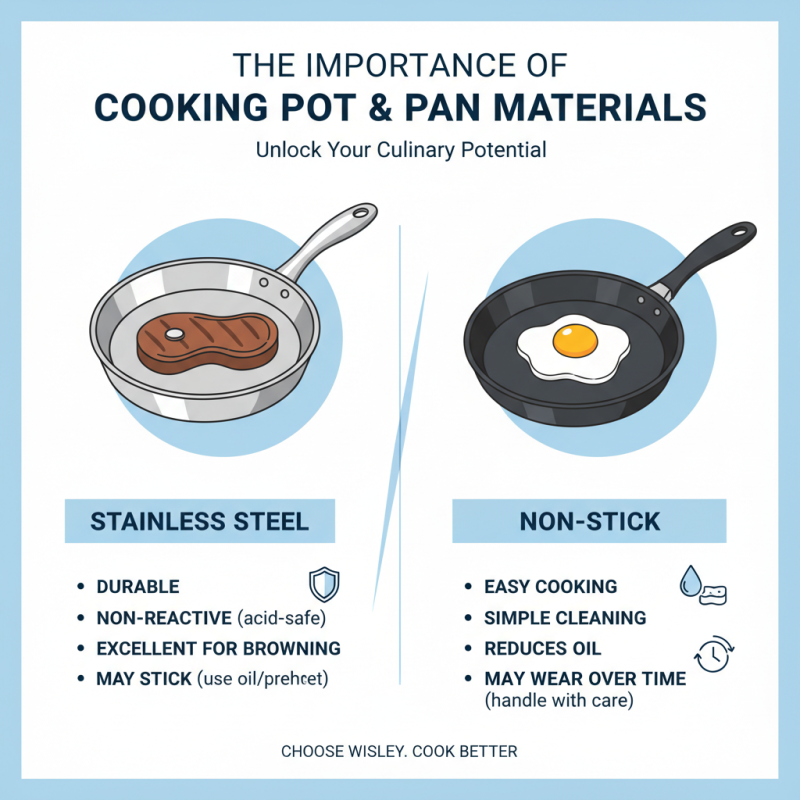
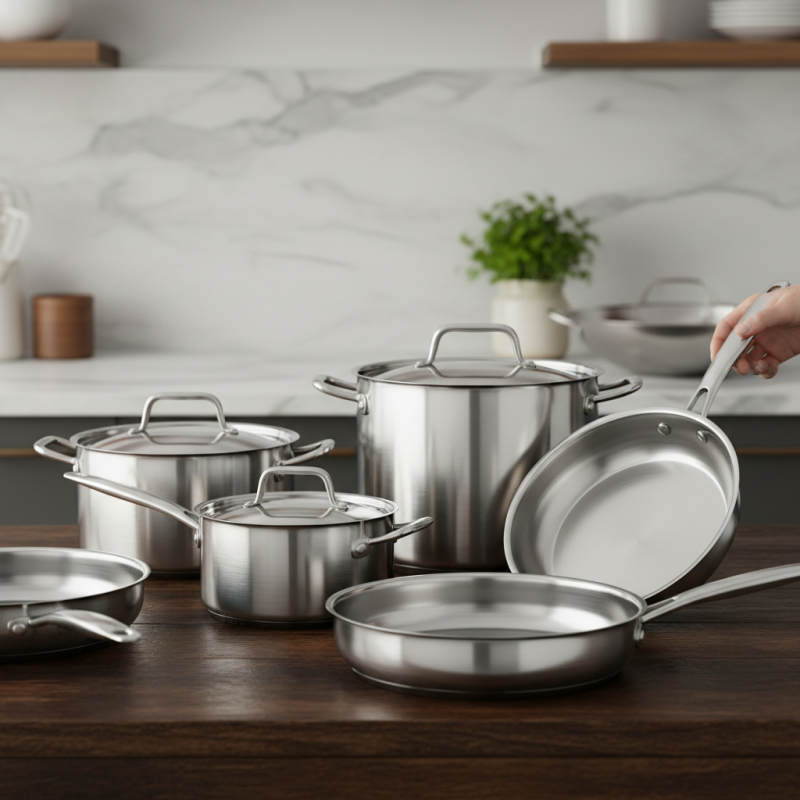
Choosing the right pots and pans is essential for every kitchen enthusiast. When it comes to material selection, each type has unique properties that affect cooking performance. Stainless steel, for instance, is durable and non-reactive. It’s perfect for browning, but it can stick if not used properly. Non-stick surfaces simplify cooking and cleanup, yet they may wear out over time.
Consider the types of dishes you cook frequently. If you love simmering sauces, a heavy-bottom saucepan made from copper or cast iron might be the best choice. These materials provide excellent heat distribution, ensuring even cooking. Remember, using an improper pot can lead to uneven heat and food sticking.
**Tip:** Always preheat your pans before adding food. This step can help prevent sticking and improve browning.
Reflect on how often you use each piece. Investing in quality materials for your most-used items can enhance your cooking experience significantly. A flimsy pan may lead to frustration and wasted ingredients.
**Tip:** Regularly inspect your cookware for scratches or wear, especially non-stick varieties. Protecting your investments means they’ll serve you better over time.
Impact of Cookware on Cooking Efficiency and Heat Distribution
Choosing the right cookware significantly affects cooking efficiency and heat distribution. When heat is distributed unevenly, it compromises meal quality. According to a report by the Culinary Institute of America, proper heat conduction can enhance cooking outcomes by up to 30%. This statistic underscores the importance of selecting the right pots and pans.
Materials like aluminum and copper exhibit superior heat distribution. They heat quickly, allowing for quick searing and even cooking. In contrast, some stainless steel options struggle with heat retention. Users often report hot spots that lead to burnt food. Research shows that 60% of home cooks experience frustration over inconsistent cooking due to their cookware.
Moreover, the design of pots and pans can limit performance. A poorly shaped pan can cause steam to escape, leading to longer cooking times. Many cooks fail to consider the implications of design on efficiency. It is essential to critically assess not just the materials but also the overall shape of your cookware. Target Stainless Steel Pots And Pans may seem appealing, but their performance can be hit or miss. Reflecting on these factors can lead to better cooking experiences.
Evaluating Non-Stick vs. Stainless Steel Cookware Performance
When it comes to choosing cookware, many wonder about non-stick versus stainless steel options. Non-stick pans are easier to clean. Food slides off with minimal effort. That's a major win if you’re short on time. However, they can lose their coating over time. A scratched surface might lead to concerns about the safety of your food.
On the other hand, stainless steel pans are known for their durability. They can withstand high heat and last for years. Food can stick to them, which can be tricky for beginners. Mastering the right temperature is crucial. Some cooks swear by the perfect sear achievable on stainless steel. Still, it requires practice and patience, as it doesn’t always yield perfect results. Investing in the right cookware depends on personal preferences and cooking habits.
Health Considerations: Safe Materials for Food Preparation
When choosing pots and pans, health considerations are paramount. The materials used can affect food safety. Certain metals can leach into food, especially when heated. So, understanding which materials are safe is key to a healthy kitchen.
Non-stick coatings are convenient but often raise concerns. Some may contain chemicals that harm our health. It’s worth exploring alternatives that provide non-stick benefits without the risks. Stainless steel and cast iron are popular choices, known for their durability. They don’t release harmful substances, making them safer for food preparation.
Yet, some might find cast iron heavy and cumbersome. Not everyone has the strength for it. Stainless steel can sometimes stick, leading to frustration while cooking. It’s essential to consider your cooking habits and lifestyle when selecting cookware. A little reflection can help you choose wisely for your kitchen and health.
Cost-Benefit Analysis of Durable vs. Budget Cookware Options
Choosing the right cookware is essential for any kitchen. Investing in durable items may seem expensive upfront. However, they often save money in the long run. High End Pots And Pans can withstand intense heat and resist scratches better than budget options. This reduces the need for replacements. Imagine buying a cheaper pot that warps after a few uses. Those savings quickly dissipate, requiring another purchase soon after.
On the other hand, budget cookware has its place. It’s affordable and can work well for novice cooks. Beginners may enjoy experimenting with various dishes without a significant investment. However, lower-quality pans may take longer to heat and don’t distribute heat evenly. This could lead to unevenly cooked food. Some might feel frustrated when their meals don’t turn out as planned.
Reflecting on your cooking style is vital. If frequent home cooking is your thing, durable cookware can be worth it. Alternatively, if you rarely cook, budget items might suffice. The choices we make should align with our habits and preferences while considering functionality and longevity. Cooking is both an art and a science, so choose wisely.
Cost-Benefit Analysis of Durable vs. Budget Cookware Options
The Role of Cookware in Culinary Skills Development and Techniques
Choosing the right cookware can significantly impact culinary skills. A 2021 survey by the Culinary Institute showed that 78% of professional chefs believe quality pots and pans are vital for technique development. Cookware affects heat distribution, which influences cooking precision. For instance, Restaurant Pots And Pans provide consistent results, essential for mastering techniques like sautéing and searing.
Many home cooks overlook the specifics of their cookware. While they may choose aesthetically pleasing items, functionality is often sacrificed. A report from the National Restaurant Association indicates that poor-quality pans can lead to inconsistent cooking results, discouraging skill improvement. If a pan fails to sear properly, a cook may be less inclined to practice further.
The choice of materials matters, too. Non-stick options may make cooking easier, but they can hinder learning proper techniques. Observing the difference between cooking on stainless steel versus ceramic can reveal much about heat control. It’s common for cooks to feel frustrated due to inadequate cookware. Reflecting on these choices can reshape cooking experiences and skill development.
Environmental Impact: Sustainable Choices for Kitchen Cookware
Choosing the right cookware can significantly impact the environment. Sustainable pots and pans reduce harm to our planet. Every choice counts in the long run. Materials like stainless steel and cast iron tend to last longer, reducing waste. Often, these options are better for your health too.
When exploring pots and pans, consider the sourcing of materials. Not all metals are created equal. Some contain harmful chemicals that can leach into food. This is a concern worth reflecting on. Read cookware labels carefully during your Pots And Pans Review. Look for certifications indicating eco-friendly production.
Here are some tips to make greener choices: Opt for non-toxic, natural coatings. Avoid synthetic materials whenever possible. Check for local artisans who create eco-friendly cookware. Supporting local businesses can lessen carbon footprints. Lastly, consider your cooking habits. Minimalist kitchens often use fewer, high-quality items. Reflect on what you truly need to create a sustainable kitchen.
Why Choose the Right Pots and Pans for Your Kitchen? - Environmental Impact: Sustainable Choices for Kitchen Cookware
| Material | Heat Conductivity | Durability | Environmental Impact | Care Instructions |
| Stainless Steel | Good | High | Recyclable | Dishwasher safe, avoid harsh cleaners |
| Cast Iron | Excellent | Very High | Durable, retain heat well | Season regularly, hand wash only |
| Aluminum | Excellent | Medium | Recyclable, lightweight | Avoid scratching; hand wash recommended |
| Ceramic | Good | Medium | Non-toxic, can be biodegradable | Avoid high heat; hand wash suggested |
| Copper | Excellent | High | Recyclable, energy efficient | Regular polishing; hand wash preferred |
FAQS
: The right material affects cooking performance. Each type has unique properties that impact how food cooks.
Stainless steel is durable and non-reactive. It's great for browning but can stick if not used correctly.
Always preheat your pans before adding food. This can improve browning and prevent sticking effectively.
Aluminum and copper are excellent for heat distribution. They heat quickly and ensure even cooking results.
A poorly shaped pan can let steam escape, extending cooking times. Design can greatly limit cooking efficiency.
Non-stick pans are easier to clean but can wear out. Stainless steel is durable but requires more careful cooking to prevent sticking.
Conclusion
Choosing the right pots and pans for your kitchen is essential for both culinary success and health. The selection of materials significantly impacts cooking efficiency, heat distribution, and overall food quality. For instance, non-stick cookware offers convenience but may lack the durability of stainless steel options. Evaluating both types helps in understanding their performance in everyday cooking scenarios, ensuring that you make informed decisions about which pots and pans suit your needs best.
Additionally, health considerations play a crucial role in cookware selection, as safe materials can prevent harmful chemicals from leaching into food. Budget considerations also come into play; investing in durable cookware may lead to long-term savings compared to cheaper alternatives. Ultimately, the right pots and pans enhance not only cooking techniques and skills but also contribute to making more environmentally sustainable choices in the kitchen.