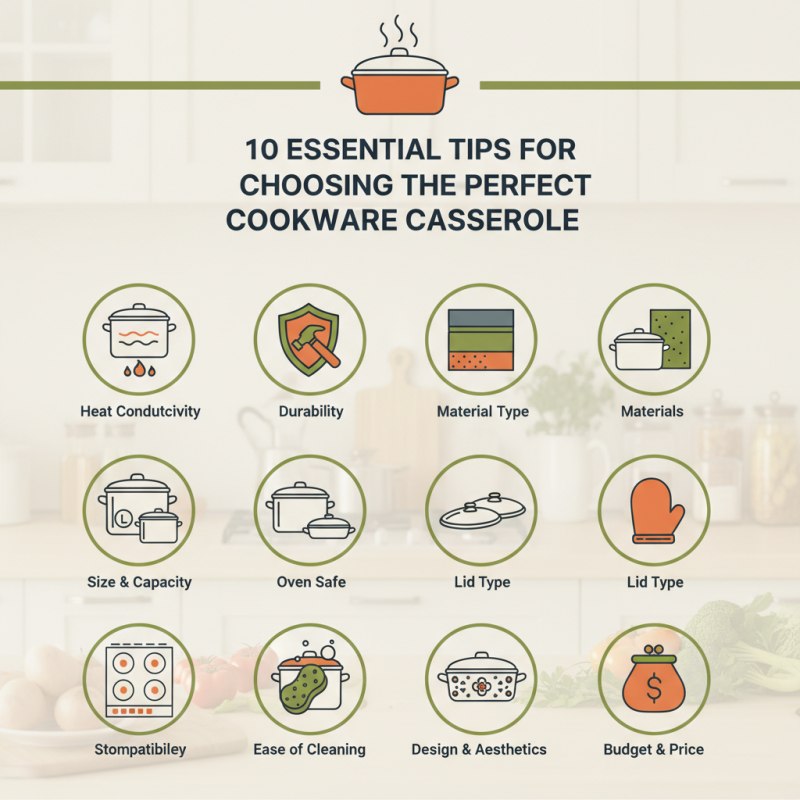
Choosing the right casserole to add to your cookware collection can honestly feel pretty overwhelming with so many options out there. Cookware Casseroles aren’t just essential for a bunch of cooking techniques—like baking, simmering, or serving—they can also double up as cute serving pieces that make your table look nice. Whether you're a seasoned pro in the kitchen or just someone who loves to cook at home, picking the perfect casserole really boils down to understanding your own cooking style, which materials you prefer, and the kinds of dishes you tend to make most often.
In this little guide, I’m gonna share ten handy tips to help you make a smart choice when shopping for a cookware casserole. We’ll cover everything from how well it conducts heat, how sturdy it is, to the look and size options—stuff that really matters. The idea is to make sure that whatever you pick not only cooks well but also fits into your cooking routine and makes your kitchen experience more enjoyable. Once you get a handle on the different materials and designs out there, you'll find it way easier to pick a casserole that’s perfect for your needs and really ups your cooking game. So, let’s get started and find that perfect piece that’ll make your meals even more awesome!
Understanding Different Types of Cookware Casseroles Available
When it comes to selecting the ideal cookware casserole for your culinary needs, it’s essential to understand the various types available on the market. A recent report from the Food Institute highlighted that over 75% of home cooks prefer using traditional ceramic and glass casseroles due to their excellent heat retention and even cooking properties. These materials not only withstand high oven temperatures but also offer a non-reactive surface, making them perfect for a range of dishes from lasagnas to baked casseroles.
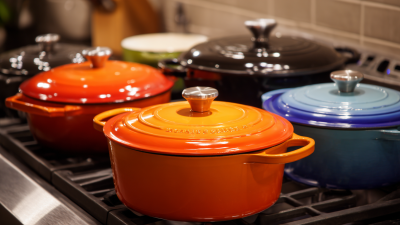
Another popular option is cast iron, which has seen a resurgence in popularity according to market trends. The Specialty Food Association noted that cast iron casseroles can retain heat exceptionally well, providing an ideal cooking environment for slow-cooked meals. Additionally, the rugged durability of cast iron ensures that these pieces stand the test of time, making them a worthwhile investment for any kitchen. Furthermore, modern advancements have introduced enamel-coated cast iron, combining the best of both worlds by offering easy cleanup along with the robust qualities of traditional cast iron.
For those seeking flexibility, non-stick casseroles are increasingly favored. The Nonstick Cookware Alliance reports that these pieces have become a staple in many kitchens due to their convenience and ease of use. Non-stick surfaces allow for effortless food release and simplified cleaning, catering perfectly to busy lifestyles. However, it's important to choose non-stick options that are free from harmful chemicals, ensuring the safety of your cooking practices. Each type of casserole has its unique benefits, making it crucial to consider your cooking style and preferences when making a selection.
Cookware Casserole Types Popularity
This chart illustrates the popularity of different Types Of Cookware casseroles based on consumer preferences. Ceramic casseroles are currently the most preferred, followed by Cast Iron, while Glass casseroles have the least popularity among the options listed.
Material Matters: Choosing Between Glass, Ceramic, and Metal Casseroles
When it comes to selecting the perfect casserole dish, the material is a crucial factor that can influence your cooking experience and dish outcome. Glass casseroles are a popular choice for many home cooks. They are non-reactive, which means they won't interact with acidic ingredients like tomatoes or citrus, ensuring that flavors remain pure. Additionally, glass is microwave-safe and allows for easy monitoring of food as it cooks. However, they can be prone to chipping and breaking, so care is needed when handling them.
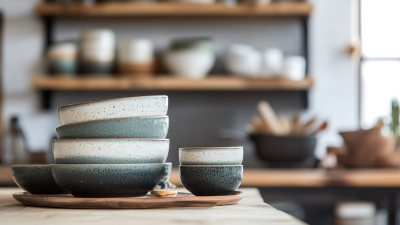
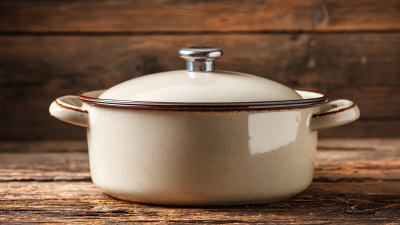
Ceramic casseroles bring a unique aesthetic appeal to the table with their often colorful glazes and designs. They retain heat exceptionally well and distribute it evenly, making them ideal for slow-cooked dishes. These casseroles are typically oven-safe, but it is essential to check the manufacturer's guidelines, as some may not be suitable for sudden temperature changes. On the downside, ceramic can be heavy and potentially chip if dropped.
Metal casseroles, often made from stainleSs Steel or cast iron, are renowned for their durability and heat conductivity. They can withstand high temperatures, making them suitable for stovetop cooking and broiling in the oven. Cast iron, in particular, is excellent for retaining heat and is perfect for dishes that require a crisp finish. However, metal casseroles can react with certain foods, so it’s important to choose the right type, especially when cooking acidic items. Each material has its pros and cons, so understanding how they behave can help you make an informed choice tailored to your cooking style.
Size and Shape Considerations for Effective Cooking and Serving
When choosing the perfect cookware casserole, size and shape play a crucial role in achieving optimal cooking and serving results. The size of your casserole dish should correspond to the number of servings you intend to prepare. For small families or intimate dinners, a 2-quart casserole may suffice, while larger gatherings might require a 5-quart or even bigger option. It's important to strike a balance between having enough capacity for your recipe and avoiding excessive empty space that can lead to uneven cooking.
The shape of the casserole also significantly influences cooking performance and presentation. Round casseroles are great for stews and soups, allowing for smooth heat distribution, while rectangular or square options are ideal for baking lasagnas or desserts, as they utilize oven space effectively. Moreover, consider the depth of the casserole, as deeper dishes can hold more liquid and are perfect for one-pot meals, while shallower dishes may be better suited for gratins or casseroles that require a crispy topping. Ultimately, selecting the right size and shape will enhance not only your cooking experience but also the enjoyment of your meals.
Heat Distribution and Retention: Why It’s Important in Casseroles
When it comes to selecting the perfect cookware casserole, heat distribution and retention become crucial factors that can significantly impact your culinary results. Uneven heating can lead to overcooked edges while leaving the center underdone, diminishing the quality of your dishes. To ensure that your casserole provides consistent results, look for materials known for their excellent heat conductivity, such as cast iron or copper. These materials help in distributing heat evenly, allowing your meals to cook uniformly and enhancing flavors.
Another vital aspect to consider is how well the casserole retains heat after cooking. Dishes that hold onto heat longer can greatly improve the overall dining experience, especially for meals served family-style. Insulated casseroles tend to keep food warm for extended periods, making them ideal for gatherings. When selecting your casserole, consider its thermal mass; a thicker vessel may retain heat better than a thinner one, providing you the option to serve hot meals without the need for reheating.
In addition, consider the size and shape of the casserole to suit your cooking needs. A wider base allows for broader heat exposure while smaller, deeper casseroles can enhance moisture retention, which is particularly beneficial for stews and braises. Remember, the right choice of cookware can transform not just the cooking process but the end result on your dining table.
Oven Safety and Compatibility: What You Need to Know
When selecting the ideal cookware casserole, understanding oven safety and compatibility is crucial. First and foremost, check the material of your casserole dish. Many popular options include ceramic, glass, and metal. Each material has unique properties that affect how it can be used in the oven.
For example, ceramic is known for its ability to retain heat, making it perfect for slow-cooking and baking. However, not all ceramics are designed for high temperatures, so ensure that the product indicates suitability for oven use.
Another essential consideration is the lid. Some casseroles come with glass lids, which allow you to monitor the cooking process without lifting the lid and losing heat.
However, it’s essential to confirm that the lid is oven-safe up to the temperatures you plan to use. Additionally, ensure there's no plastic that can melt during cooking.
Finally, always refer to the manufacturer's guidelines regarding temperature limits and recommended care to prolong the life of your casserole dish and ensure safety in the kitchen. By being mindful of these factors, you can choose a casserole that not only fits your cooking style but also adheres to safety standards.
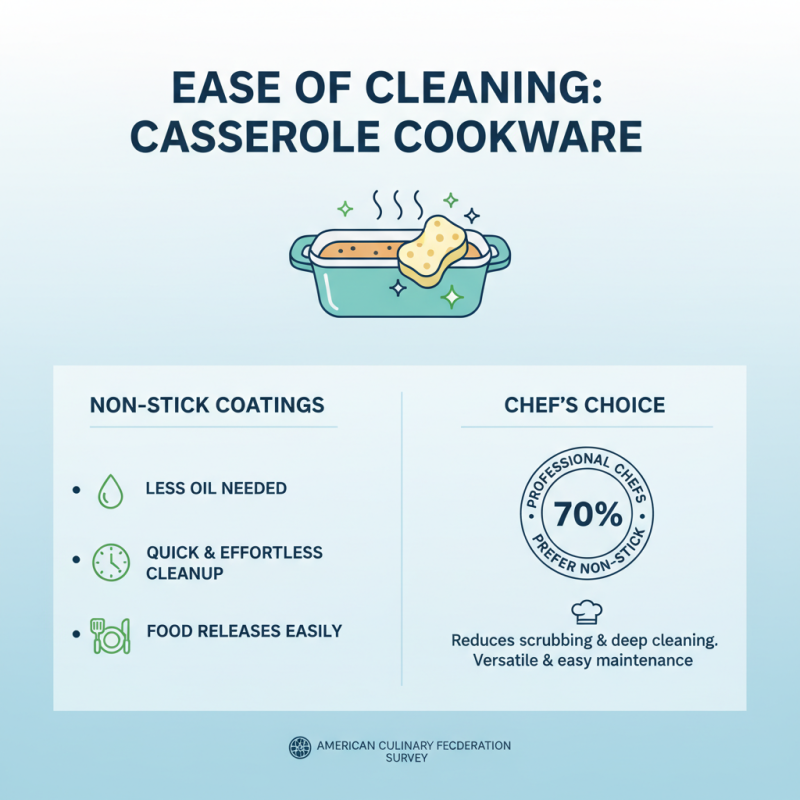
Ease of Cleaning: Non-Stick Coatings vs. Traditional Materials
When selecting the ideal casserole cookware, the ease of cleaning should be a primary consideration. Non-stick coatings are increasingly popular among home chefs due to their convenience; they require less oil for cooking and make for quick and effortless clean-up. According to a survey conducted by the American Culinary Federation, about 70% of professional chefs prefer non-stick surfaces for their versatility and ease of maintenance. These coatings prevent food from adhering to the surface, significantly reducing the need for scrubbing and deep cleaning after cooking.
On the other hand, traditional materials such as cast iron and stainless steel offer their own set of advantages. While these materials may require more effort to clean, they are often more durable and can withstand higher cooking temperatures. A study from the Culinary Institute of America highlights that while consumers may initially favor non-stick for its cleaning ease, over 50% of cooks report that they eventually appreciate the long-lasting properties of traditional cookware. Additionally, cookware made from stainless steel and cast iron can be easier to clean with proper techniques, such as soaking and using specific scrubbers designed for tougher residues, which can enhance their longevity. Thus, the choice between non-stick and traditional materials ultimately depends on individual cooking styles and cleaning preferences.
Budgeting for Quality: Finding the Right Casserole within Your Price Range
When it comes to selecting the perfect casserole, budgeting for quality is a crucial aspect to consider. A well-made casserole can be a long-term investment in your kitchen, but it’s essential to identify what will work best for your budget. Set a specific price range before you start shopping; this will help narrow down your options and prevent overspending. Look for materials that offer durability and functionality, such as enamel-coated cast iron or high-quality stainless steel. These materials not only provide excellent heat retention but also withstand the test of time, making them worthwhile investments.
While keeping your budget in mind, it’s also important to assess the features that will suit your cooking style. Some casserole dishes come with lids that are designed for steaming, while others may be oven-safe at high temperatures. Evaluate the size based on your serving needs and consider the variety of cooking techniques you plan to employ. Buying a versatile casserole that fits within your budget yet elevates your cooking experience is key. Be resourceful and don’t hesitate to compare different products to find the best balance between quality and price, ensuring that you acquire a casserole that meets both your culinary needs and financial constraints.
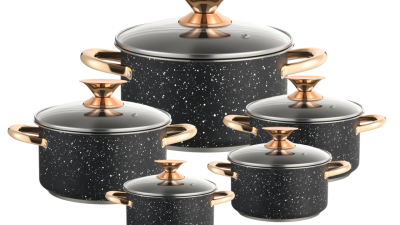
The Ultimate Guide to WEIHUA's Stylish Black Marble Coating Cookware Set: Functionality Meets Elegance
When it comes to stylish and functional kitchen essentials, the right cookware can transform your cooking experience. The sleek black marble coating on this cookware set not only adds an elegant touch to your kitchen but also ensures excellent heat distribution and easy cleaning. With a variety of casserole sizes, you can effortlessly prepare meals for any occasion, whether it's a cozy dinner for two or a festive gathering with family and friends.
The cookware set includes several casserole options, ranging from a compact 1.9L (16×9.5 cm) for quick side dishes to a generous 6.0L (24×13 cm) casserole perfect for larger family meals. Each piece is designed to meet the demands of modern cooking while maintaining a sophisticated aesthetic, making it a great addition to any kitchen. The durable construction ensures that these casseroles can withstand daily use, all while providing a stunning visual appeal that elevates your dining experience.
Beyond their striking appearance, these casseroles are made for functionality. The various sizes—2.7L (18×10.5 cm), 3.5L (20×11 cm), and 4.6L (22×12 cm)—allow for flexible cooking options, accommodating everything from savory stews to delectable casseroles. This balance of utility and elegance makes the cookware set an essential choice for both novice cooks and culinary enthusiasts alike.
FAQS
: The material is a crucial factor, as it affects cooking experience and dish outcomes. Options such as glass, ceramic, and metal each have unique properties that influence heat retention, safety, and interaction with ingredients.
Yes, glass casserole dishes are microwave-safe, allowing for easy monitoring of food while cooking.
Ceramic dishes are excellent for slow-cooking and baking, but not all ceramics are suitable for high temperatures. Always check the manufacturer's guidelines for suitability in the oven.
Metal casseroles, often made from stainless steel or cast iron, are durable and have excellent heat conductivity, making them suitable for high-temperature cooking and broiling.
It's necessary to confirm that the lid is oven-safe and can withstand the intended cooking temperatures without melting, especially if it is made of glass or has plastic components.
Ceramic casseroles retain and distribute heat well, making them ideal for slow-cooked dishes and they often come in visually appealing designs.
Yes, metal casseroles can react with acidic foods, so it’s important to choose the right type of metal when cooking such ingredients.
Glass casseroles can be prone to chipping and breaking, so they require careful handling to avoid damage.
Always refer to the manufacturer's guidelines regarding temperature limits and proper care to ensure safety and longevity of the casserole dish.
Conclusion
When selecting the perfect cookware casserole, it's essential to understand the various types available, including glass, ceramic, and metal options. Each material has its own benefits, impacting heat distribution, retention, and overall cooking performance. Size and shape are also critical factors, as they influence both cooking efficiency and serving practicality.
Additionally, it's important to consider oven safety and compatibility with your kitchen appliances, as well as the ease of cleaning—especially when comparing non-stick coatings with traditional materials. By balancing these aspects with your budget, you can find a high-quality cookware casserole that meets your needs and enhances your culinary experience.