When you're setting up your kitchen, picking the right pots can really make a difference in your cooking experience. Steel Pots are pretty much a kitchen staple these days, thanks to their durability, how well they spread heat, and the fact that they don’t react with food. I’ve seen the latest industry chatter — the Kitchenware Manufacturers Association reported that more folks are going for high-quality steel pots — up 30% over the last three years! Seems like both home cooks and pro chefs are realizing just how awesome they are.
Even chef and cookware expert, Dr. Emily R. Lawson, stresses how important it is to choose the right pot for getting the best results. She says, “A good steel pot can seriously up your cooking game — it cooks evenly and lasts forever, making it a smart buy for any kitchen.” As you start thinking about upgrading your gear, it’s helpful to get what makes steel pots so popular—like choosing the right material and knowing how to take care of them. This guide is here to give you the lowdown so you can make the best choice for your kitchen.
Understanding the Different Types of Steel Used in Cooking Pots
When it comes to choosing the best steel Cooking Pots for your kitchen, understanding the different types of steel utilized can make all the difference. Stainless steel is one of the most popular materials; it is corrosion-resistant and durable, making it ideal for everyday cooking. The alloy typically consists of iron, carbon, and chromium, which provides the pot with its non-reactive properties, ensuring that flavors remain pure and untainted. Consider pots made of 18/10 stainless steel, which features 18% chromium and 10% nickel, offering both durability and a shiny finish.
Another option is carbon steel, celebrated for its excellent heat conduction and responsiveness to temperature changes. It is often favored by professionals for its ability to develop a natural non-stick surface over time, similar to cast iron when seasoned correctly. However, it requires more maintenance to prevent rust. For those seeking a more specialized choice, tri-ply stainless steel combines layers of stainless steel with an aluminum or copper core, enhancing heat distribution and minimizing hot spots.
When selecting your steel pots, keep these tips in mind: opt for a heavier bottom to ensure even heat distribution, check for ergonomic handles for easier maneuverability, and always consider the intended use of the pot to select the most suitable steel type. Paying attention to these details can significantly enhance your cooking experience and overall kitchen performance.
Key Factors to Consider When Choosing Steel Cooking Pots
When selecting steel cooking pots for your kitchen, it's imperative to consider several key factors that affect both cooking performance and safety. One of the primary aspects is the type of stainless steel used. High-quality stainless steel, often referred to as 18/10, contains 18% chromium and 10% nickel, which not only enhances its resistance to corrosion but also contributes to a more durable cooking surface. According to the 2021 National Kitchenware Association report, consumers are increasingly opting for pots made from high-quality materials, reflecting a growing awareness of health and longevity in kitchenware.
Another vital consideration is the pot's construction quality. Pots with a multi-layer base, often made with aluminum or copper sandwiched between steel layers, provide better heat distribution and reduce the risk of hot spots, which can lead to uneven cooking. A study from the Culinary Institute of America emphasized that even heating is critical for achieving optimal cooking results, thus underscoring the importance of investing in well-constructed cookware.
In choosing the right steel cooking pots, it's also valuable to look for ergonomic features such as heat-resistant handles and lids that fit snugly. These design elements enhance usability and safety, making your cooking experience more enjoyable. Remember to evaluate factors like weight and compatibility with your cooking surfaces, as these details can significantly impact the performance of the pots in your kitchen.
Benefits of Using Steel Pots in Your Kitchen
When it comes to kitchen cookware, stainless steel pots are a go-to choice for many home chefs due to their versatility and durability. One of the primary benefits of using stainless steel pots is their ability to withstand high temperatures without warping or losing their shape. According to a report by the Food Institute, stainless steel cookware can last up to three times longer than non-stick alternatives, making it a cost-effective choice for long-term use.
Another significant advantage of stainless steel pots is their non-reactive nature. Unlike aluminum or copper cookware, stainless steel does not react chemically with acidic or alkaline foods, ensuring that the flavor and nutritional value remain intact. This is particularly important for those who cook with a variety of ingredients, including tomatoes or citrus. The lack of reactive issues is highlighted in a study from the Journal of Culinary Science & Technology, which indicated that stainless steel retains food flavors and nutrients more effectively than other materials.
Additionally, stainless steel pots are easy to clean and maintain. They are typically dishwasher-safe, which simplifies the post-cooking process. As per a survey by the Culinary Institute of America, 92% of chefs prefer stainless steel for its ease of cleaning and resistance to stains. These qualities not only enhance the cooking experience but also contribute to healthier meal preparation, making stainless steel pots an excellent addition to any kitchen.
10 Essential Tips for Choosing the Best Steel Cooking Pots for Your Kitchen - Benefits of Using Steel Pots in Your Kitchen
| Tip No. | Tip | Benefit |
| 1 | Choose High-Quality Stainless Steel | Durability and resistance to rust and corrosion. |
| 2 | Look for Thick Bottoms | Better heat distribution and reduced risk of burning food. |
| 3 | Check for a Good Warranty | Confidence in the product's longevity and quality. |
| 4 | Consider Different Sizes | Versatility for different types of cooking and serving needs. |
| 5 | Look for Ergonomic Handles | Improved grip and safety when handling hot pots. |
| 6 | Opt for Multi-Ply Construction | Enhanced heat retention and better cooking results. |
| 7 | Check Compatibility with All Cooktops | Flexibility in using different cooking surfaces. |
| 8 | Look for Easy Cleaning Options | Saves time and effort in kitchen maintenance. |
| 9 | Assess Weight for Comfort | Ensure ease of use without compromising stability. |
| 10 | Read Reviews and Recommendations | Informed choice based on other users' experiences. |
How to Identify Quality Construction in Steel Cooking Pots
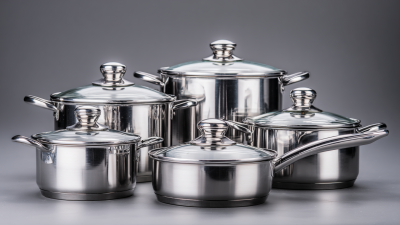
When selecting steel cooking pots, identifying quality construction is crucial for both performance and longevity. Begin by examining the thickness and weight of the pot. A well-constructed steel pot typically features a thicker base that ensures even heat distribution and prevents warping over time. Lightweight pots may seem appealing for ease of handling, but they often compromise on durability and cooking efficiency. Look for pots that provide a sturdy feel, indicating they can withstand high temperatures and regular use without bending or losing their shape.
Another key factor to consider is the material composition. High-quality stainless steel is often used for cooking pots due to its resistance to rust and staining, as well as its non-reactive properties, which maintain the flavor of your food. Pay attention to the grade of stainless steel; for instance, 18/8 or 18/10 stainless steel offers superior resistance to corrosion and is ideal for cooking. Additionally, examine the pot's exterior finish; a polished, smooth surface not only enhances aesthetics but also aids in easier cleaning and maintenance. Moreover, check for well-fitted lids and comfortable handles, which contribute to ease of use and ensure that the pot performs optimally during cooking tasks.
Comparison of Different Steel Cooking Pots
Assessing the Size and Shape of Steel Cooking Pots for Your Needs
When selecting the best steel cooking pots for your kitchen, assessing the size and shape is crucial to meet your specific cooking needs. A report from the National Kitchen & Bath Association highlights that the average American kitchen has around 800 square feet of space, making it essential to choose pots that effectively utilize this space while offering versatility. For instance, selecting a pot with a diameter that allows for efficient stovetop use can help reduce cooking time and energy consumption, an important factor for those looking to be more sustainable in their cooking habits.
Furthermore, the shape of your cooking pots can greatly influence food preparation and cooking results. According to a survey conducted by the Hearth, Patio & Barbecue Association, approximately 70% of home cooks prefer pots that facilitate even heat distribution, which is often influenced by the shape and surface area of the pot. For example, deeper pots are ideal for boiling or stewing, while wider, shallower pots are better suited for sautéing and frying. By carefully considering both the size and shape of steel cooking pots, home cooks can enhance their culinary skills and streamline their cooking processes, leading to more enjoyable meal experiences.
Caring for and Maintaining Your Steel Cooking Pots Effectively
Caring for and maintaining your steel cooking pots is essential to ensure longevity and optimal performance in your kitchen. First and foremost, always allow your pots to cool down before washing them. Sudden temperature changes can warp the metal, affecting its cooking ability. When cleaning, opt for gentle, non-abrasive sponges and avoid harsh chemical cleaners, which can damage the pot's surface. Soaking the pots in warm, soapy water can help loosen stuck-on food, making cleaning easier and preventing scratches.
Additionally, proper storage can extend the life of your steel pots. Stack them with care, using cloth or paper towels between each pot to avoid scratching their surfaces. Regularly check for any signs of oxidation or discoloration. If you notice any, a simple paste of baking soda and water can be an effective remedy to restore their shine. Finally, always dry your pots thoroughly after washing to prevent water spots or rust, ensuring they remain in pristine condition for all your culinary adventures.
Comparing Prices: Finding the Best Value for Steel Cooking Pots
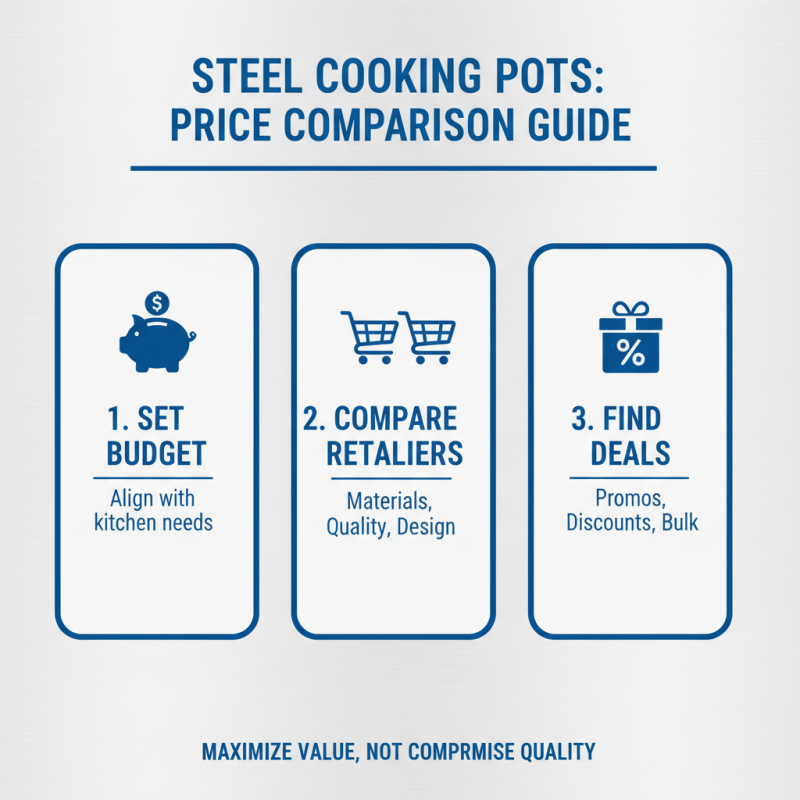
When it comes to purchasing steel cooking pots, comparing prices is crucial for finding the best value. Start by setting a budget that aligns with your kitchen needs. Different retailers offer varying price points based on materials, construction quality, and design features. Look for promotions, discounts, or bulk purchase options that can help you maximize your investment without compromising on quality.
In addition to individual pot prices, consider the long-term costs associated with each option. A higher upfront cost might translate into better durability and lower replacement needs in the future. Research the pot's functionality and user reviews to gauge its performance over time. Remember, investing in steel cooking pots that offer excellent heat distribution and are easy to maintain will save you money and effort in the long run, making it essential to weigh the initial costs against the overall value.
Effortless Cooking: Discover the Versatility of the WEIHUA Stainless Steel Multifunctional Rice Washing Bowl with Colander Set
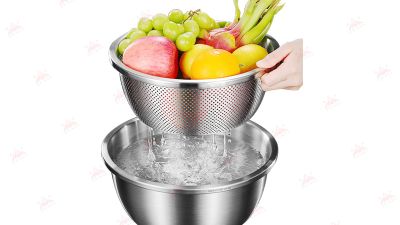
Experience the joy of effortless cooking with the multifunctional rice washing bowl and colander set. This versatile kitchen tool redefines how we approach meal prep, making it easier than ever to rinse rice, wash vegetables, and strain pasta. Constructed from high-quality stainless steel, these bowls offer durability and a sleek finish that complements any kitchen aesthetic.
The set includes a series of mixing basins, ranging from a compact 14cm to an expansive 40cm size, tailored to suit various cooking needs. Each basin features a convenient depth, allowing for ample volume while ensuring easy handling. The colanders, available in sizes starting from 20cm to 40cm, are designed with precision-drilled holes to facilitate swift drainage, making it ideal for washing grains or draining excess water from fresh produce. The seamless design not only enhances functionality but also simplifies cleaning, ensuring that you spend less time on upkeep and more time enjoying culinary creations.
FAQS
: Look for a pot with a thicker base and a heavier weight, as these features ensure even heat distribution and durability. A sturdy feel indicates it can withstand high temperatures without warping.
High-quality stainless steel is ideal due to its resistance to rust and staining, as well as its non-reactive properties. Grades like 18/8 or 18/10 stainless steel provide superior corrosion resistance.
A polished, smooth surface not only enhances the aesthetics of the pot but also makes it easier to clean and maintain.
Allow the pots to cool before washing, use gentle, non-abrasive sponges, and avoid harsh chemicals. Soaking in warm, soapy water can help remove stuck-on food more easily.
Stack pots carefully with cloth or paper towels between them to prevent scratches, and ensure they are stored in a dry place to avoid oxidation.
A paste made of baking soda and water can be effective in restoring their shine.
Always allow pots to cool down gradually before washing them to prevent sudden temperature changes that can warp the metal.
Make sure to dry them thoroughly to prevent water spots or rust, keeping them in pristine condition for future use.
Lightweight pots may be easier to handle but often compromise on durability and cooking efficiency. A heavier pot is generally a better option for long-term use.
Conclusion
When selecting steel cooking pots for your kitchen, it's crucial to understand the various types of steel available and how they impact cooking performance. From characteristics like durability and heat conductivity to factors such as pot size and shape, these elements play significant roles in your cooking experience. Additionally, you should consider the benefits of using steel pots, including their longevity and ease of maintenance.
To ensure you select high-quality steel cooking pots, look for signs of robust construction and design. Regular care and upkeep can significantly enhance the lifespan of your pots, making them a worthwhile investment. Lastly, comparing prices across different options will help you find the best value while ensuring you don’t compromise on quality. By following these essential tips, you can make an informed choice that enhances your culinary adventures.