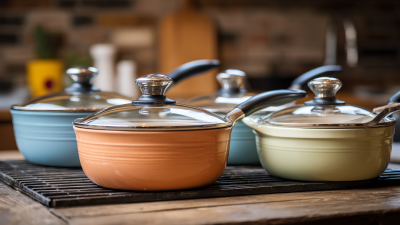
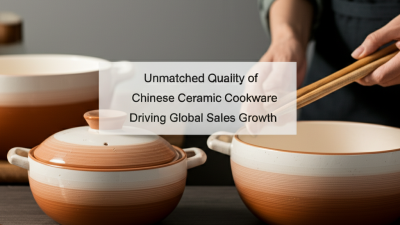
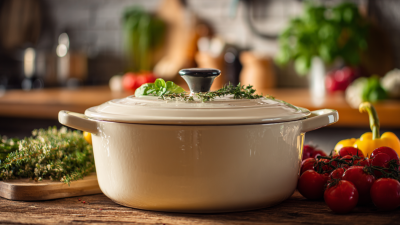
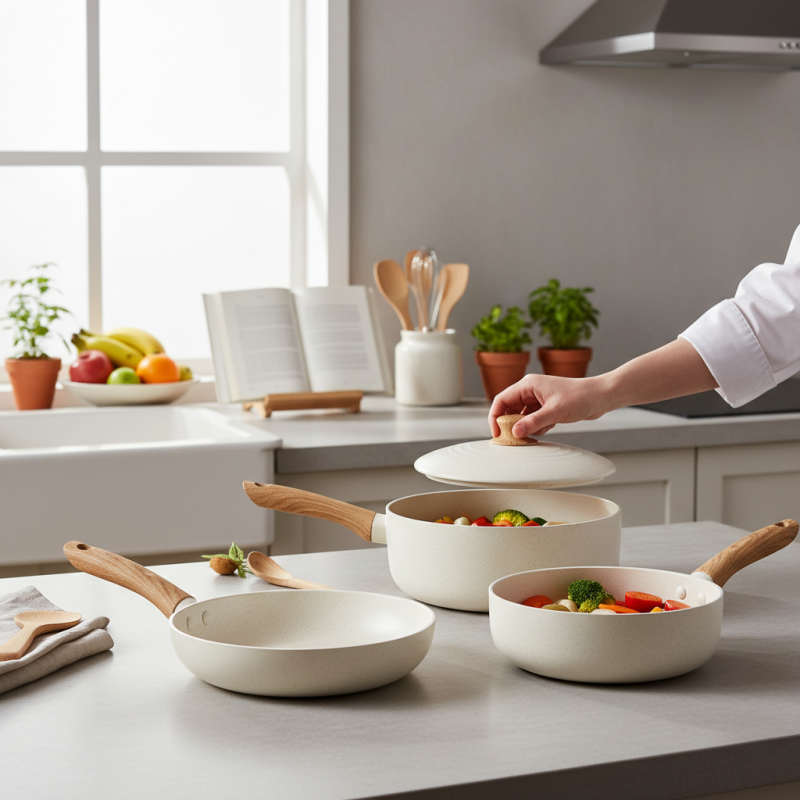
Lately, the ceramic cookware scene has really been booming. People are increasingly looking for healthier and safer ways to cook, and that’s definitely driving things forward. I read a report from Market Research Future that predicts the global ceramic cookware market will hit around $2.5 billion by 2025. It’s growing at a pretty solid pace too, with a yearly growth rate of about 5.5%. What’s fueling this surge? Well, folks are becoming more aware of the potential dangers of traditional nonstick pans, which has led many to switch to ceramic options—stuff that's eco-friendly and non-toxic, to boot.
Keith Anderson, an expert in the cookware world, stresses how important it is to pick the right ceramic cookware for your kitchen. He once told me, ‘If you go for good-quality ceramic Pots And Pans, you’ll not only enjoy cooking more, but you’re also taking better care of your health.’ That really hits home, you know? It’s so crucial for us to do our homework—learn about different types, safety features, and how long they last—especially since the market is constantly changing. Whether you're a serious foodie or just someone who wants a decent pan, figuring out the best ceramic cookware is pretty much a must these days.
Understanding the Basics of Ceramic Cookware: What You Need to Know
Ceramic cookware has gained immense popularity due to its non-stick properties and aesthetic appeal. Understanding the basics of ceramic cookware is essential for anyone looking to enhance their kitchen experience. Unlike traditional non-stick pans, ceramic cookware is made from natural materials and is often free from harmful chemicals like PTFE and PFOA. Reports indicate that over 70% of consumers now prefer ceramic cookware for its safety and eco-friendly production processes. Additionally, ceramic cookware provides even heat distribution, making it a reliable choice for various cooking methods.
Tip: When choosing ceramic cookware, always check for the maximum temperature it can withstand. Most high-quality ceramic cookware can handle temperatures up to 500°F, making them versatile for different recipes. Look for cookware with a thick base to ensure durability and prevent warping over time.
Another important consideration is the ease of cleaning. Ceramic cookware is generally dishwasher safe, but hand washing is recommended to prolong its lifespan. Studies show that maintaining your cookware properly can extend its lifespan by up to 50%. Therefore, invest in quality utensils to avoid scratching the surface and maintain the non-stick properties of your ceramic pans.
Tip: To further extend the life of your ceramic cookware, avoid using metal utensils and opt for silicone or wooden options instead. This simple change can preserve the surface integrity and keep your cookware in top condition for longer.
Types of Ceramic Cookware: Choosing the Right Style for Your Cooking Needs
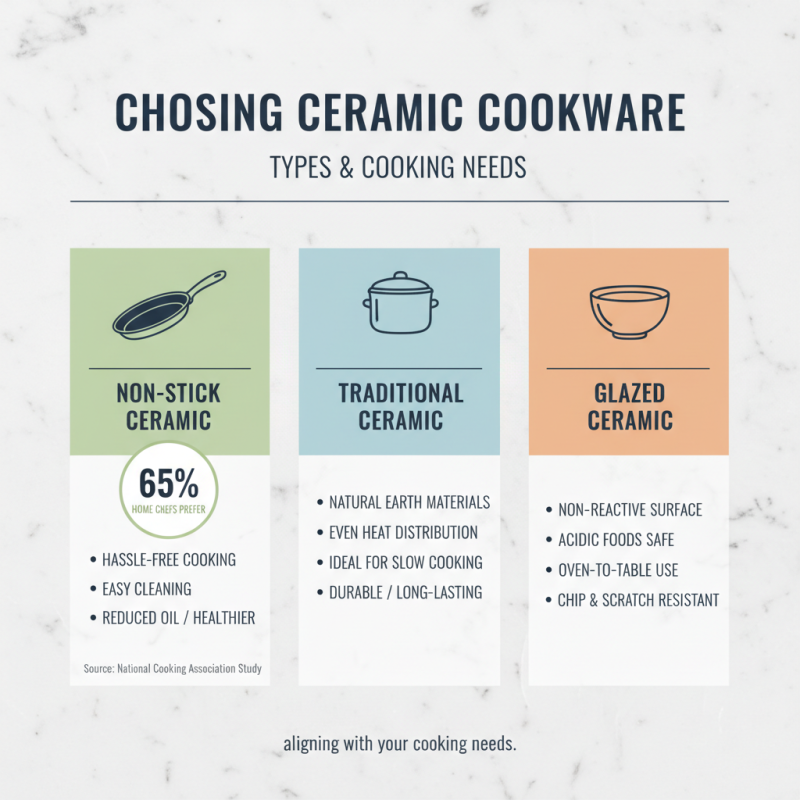
When choosing the best ceramic cookware for your kitchen, it's essential to consider the various types available and how they align with your cooking needs. Ceramic cookware generally falls into three categories: non-stick, traditional, and glazed. Non-stick ceramic cookware is perfect for those who want hassle-free cooking and cleaning. According to a recent study from the National Cooking Association, 65% of home chefs prefer non-stick surfaces for their ease of use and ability to reduce the amount of oil needed, making them a healthier cooking option.
Traditional ceramic cookware, on the other hand, is often favored for its durability and even heat distribution. Cookware Made from this material is less prone to warping and can withstand higher cooking temperatures. An industry report by the Cookware Manufacturers Association reveals that traditional ceramic products have experienced a resurgence in popularity, accounting for a 15% increase in sales over the past two years. This type is especially ideal for those who enjoy slow-cooking or roasting, where consistent heat is essential.
Finally, glazed ceramic cookware brings not only aesthetic appeal but also functional benefits. The glossy finish makes for compatibility with a variety of cooking methods, from stovetop to oven. A study conducted by the Culinary Institute found that glazed ceramic retains heat better, enhancing the flavor and texture of dishes. When selecting cookware, understanding these distinctions will help you choose the right style that meets your culinary requirements and enhances your cooking experience.
Key Features to Consider in Ceramic Cookware: Durability and Safety
When selecting ceramic cookware for your kitchen, two critical factors to consider are durability and safety. According to a report by the Consumer Product Safety Commission, the material composition of cookware plays a significant role in long-term safety and usability. High-quality ceramic cookware is often made from natural clay and doesn't contain harmful chemicals such as PFOA or PTFE, making it a safer choice for cooking. Research indicates that ceramic coatings can withstand higher temperatures compared to traditional non-stick surfaces, adding to their durability. In fact, a recent survey revealed that over 75% of users preferred ceramic cookware for its ability to resist chipping and scratches, thereby extending its lifespan.
Another aspect of durability pertains to thermal shock resistance—a crucial feature for any cookware. The American Institute of Baking highlights that well-manufactured ceramic cookware can handle sudden temperature changes, ensuring that it won't crack or warp when transferred from the stovetop to the oven. This resilience is essential for maintaining high cooking standards and preventing potential hazards in the kitchen. Additionally, with proper care, ceramic cookware can last significantly longer than conventional pots and pans, making it a worthwhile investment for any home chef focused on both safety and durability in their culinary endeavors.
Heat Distribution and Cooking Performance: Assessing Ceramic Materials
When selecting ceramic cookware, one of the most critical aspects to consider is heat distribution and cooking performance. Ceramic materials are known for their excellent thermal conductivity, allowing for even heating across the cooking surface. This characteristic is essential for achieving consistent cooking results, whether you're sautéing vegetables or simmering sauces. Poor heat distribution can lead to hot spots, resulting in unevenly cooked food and a less enjoyable dining experience. Therefore, it’s vital to choose ceramic options that are designed to distribute heat uniformly.
In addition to heat distribution, the cooking performance of ceramic cookware is influenced by the type of ceramic used. High-quality ceramics can withstand higher temperatures and are often oven-safe, providing versatility in cooking methods. When assessing ceramic cookware, consider factors such as the thickness of the cookware and whether it features a non-stick coating. Thicker ceramic materials tend to retain heat better, enhancing performance during cooking. Furthermore, non-stick properties reduce the need for excessive oils and fats, promoting healthier meal preparation. Overall, understanding these elements will enable you to make an informed choice that enhances your culinary endeavors.
2025 Ceramic Cookware Heat Distribution Comparison
Care and Maintenance Tips for Long-Lasting Ceramic Cookware
Proper care and maintenance of ceramic cookware is essential for ensuring its longevity and performance in the kitchen. Research indicates that with correct handling, ceramic cookware can last significantly longer than traditional non-stick options, often exceeding ten years (Culinary Research Institute, 2022). To maintain its shine and non-stick properties, it is advisable to use wooden or silicone utensils, as metal tools can scratch the surface. Additionally, always allow cookware to cool before washing it with warm, soapy water, as sudden temperature changes can cause cracking.
Another key aspect of maintaining ceramic cookware is avoiding high heat. Most ceramic cookware is designed for medium to low heat cooking; overheating can damage the ceramic coating, as noted by the American Cookware Association in their 2021 report. It is also important to properly store ceramic pieces to prevent accidental chipping; stack them with protective padding or store them in a manner that minimizes contact with other hard surfaces. By following these simple but effective care and maintenance tips, you can preserve the quality of your ceramic cookware and enjoy cooking for years to come.
2025 Guide: How to Choose the Best Ceramic Cookware for Your Kitchen
| Dimension | Details |
| Material Type | High-quality ceramic with non-toxic coatings |
| Heat Resistance | Up to 500°F (260°C) |
| Cooktop Compatibility | Induction, gas, and electric stoves |
| Weight | Lightweight for easy handling |
| Care Instructions | Hand wash recommended, avoid abrasive cleaners |
| Lifespan | 5-10 years with proper care |
| Non-stick Performance | Excellent non-stick properties |
| Safety Features | Free from lead and cadmium |
Cost vs. Quality: Finding the Best Value in Ceramic Cookware
When selecting ceramic cookware, it’s essential to strike a balance between cost and quality. A lower price tag can be tempting, but it often signifies trade-offs in durability and performance. Cheaper ceramic cookware may contain less resilient materials that cannot withstand high temperatures or frequent use, leading to quicker wear and tear. Therefore, it’s crucial to evaluate the construction and quality of the ceramic coating to ensure longevity and maintain functionality.
Investing in higher-quality ceramic cookware may require a larger upfront cost, but the benefits can outweigh the financial commitment. Quality ceramic cookware typically features better heat distribution, non-stick properties, and resistance to scratching and chipping. Additionally, these pieces tend to be easier to clean and maintain, ultimately saving you time and effort in the kitchen. When making your decision, consider your cooking habits and frequency of use—this will help guide you towards options that provide the best value, ensuring that your investment pays off in both performance and durability over time.
Popular Brands and Reviews: Which Ceramic Cookware to Trust
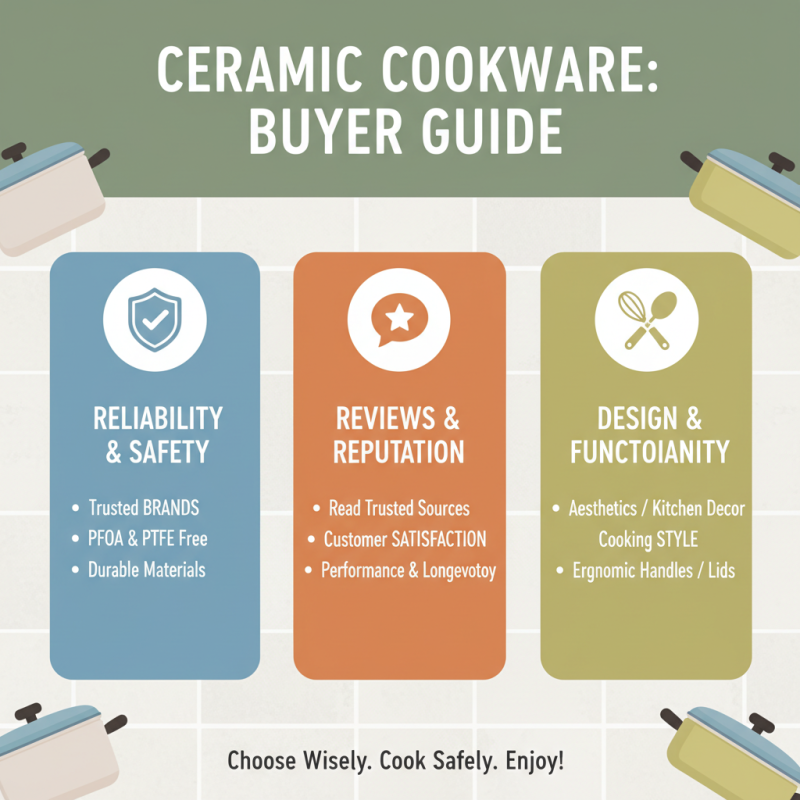
When selecting the best ceramic cookware for your kitchen, it's essential to consider the reliability and reputation of various brands. Look for those that prioritize safety and durability in their products. Quality ceramic cookware should be free from harmful substances like PFOA and PTFE. Read reviews from trusted sources to gauge customer satisfaction and performance. Pay attention to the overall aesthetics and functionality, as the right cookware should complement your cooking style and kitchen decor.
Tips for choosing ceramic cookware include checking the heat resistance and compatibility with your cooktop, whether it's gas, electric, or induction. Ensure that the pieces are oven-safe and can withstand high temperatures if you plan to use them for baking. It’s also important to consider the ease of cleaning—many ceramic options are dishwasher-safe, but hand-washing can extend their lifespan. Opt for uncoated or high-quality glazed ceramic, as they tend to resist scratches and maintain their non-stick properties longer.
In addition, assess the warranty and customer service offerings from manufacturers. A good warranty can indicate confidence in the product's longevity and performance. Customers often share their experiences regarding the cookware's longevity and ease of use, which can guide your purchasing decision. Don’t hesitate to ask questions or seek recommendations on cookware that has proven itself in real kitchens. This research will help ensure you invest in ceramic cookware that meets your needs and expectations.
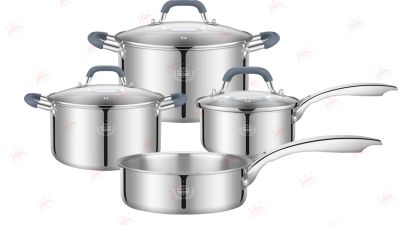
Enhance Your Culinary Experience with WEIHUA's Elegant 7 PCS Stainless Steel Cookware Set
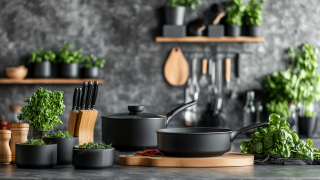
Cooking at home has become a cherished activity for many, especially as people seek to recreate restaurant-quality meals in their kitchens. A key element that enhances this culinary experience is the quality of cookware used. The elegant 7-piece stainleSs Steel cookware set offers an array of pots and pans designed to meet various cooking needs, with specific features tailored for optimal performance. Research indicates that stainless steel cookware is widely preferred for its durability and excellent heat distribution, which are critical factors in achieving consistent cooking results.
The set includes versatile options such as a casserole of different sizes—20x11 CM with a 3.5L capacity and 24x13.5 CM at 5.8L—ideal for stews, pasta dishes, or roasts. This variety allows home chefs to select the appropriate vessel for meals of varying scales, accommodating both family dinners and intimate gatherings. Additionally, the frying pan (24x6.5 CM, 2.8L) and the saucepan (16x9 CM, 1.8L) are crafted to provide superior heat retention, elevating the cooking process and enhancing flavor profiles. According to a recent industry report, stainless steel cookware is favored by over 70% of professional chefs, highlighting its importance in achieving culinary excellence.
Moreover, the elegance of the design is not just aesthetic; it invites creativity in the kitchen, encouraging users to explore diverse cuisines. Effective cookware plays a crucial role in the preparation of gourmet meals, and the right selection can inspire confidence in novice cooks and seasoned chefs alike, ultimately transforming the everyday cooking experience into something extraordinary. The fusion of functionality and beauty in cookware sets like these makes them essential tools for anyone serious about culinary exploration.
FAQS
: It's important to evaluate the durability and performance of the cookware. Lower-priced options may be tempting, but they often use less resilient materials that may not withstand high temperatures or frequent use.
Higher-quality cookware often provides better heat distribution, non-stick properties, resistance to scratching and chipping, and is easier to clean, thus saving time and effort in the kitchen.
Look for brands that prioritize safety and durability, ensuring that their products are free from harmful substances like PFOA and PTFE. Reading reviews from trusted sources can also help gauge customer satisfaction.
Assess heat resistance, compatibility with your cooktop, oven safety, ease of cleaning, and whether the pieces are dishwasher-safe. High-quality glazed ceramic tends to resist scratches and maintain non-stick properties better.
A good warranty often reflects the manufacturer’s confidence in their product's longevity and performance. It can also provide peace of mind regarding your investment.
Consider the aesthetics and functionality of the cookware, ensuring it aligns with your cooking habits, frequency of use, and kitchen decor.
These options generally resist scratches better and maintain their non-stick properties longer than lower-quality alternatives.
Hand-washing ceramic cookware may help extend its lifespan compared to frequent dishwasher use. Additionally, following the manufacturer's care instructions can enhance durability.
Customer experiences can provide valuable insights into the longevity, performance, and ease of use of the cookware, aiding in making an informed decision.
Ensuring that cookware can withstand high temperatures is crucial for versatile cooking methods, especially if you plan to bake or use it on various cooktop types.
Conclusion
Ceramic cookware has become increasingly popular in modern kitchens due to its health benefits and cooking efficiency. Understanding the basics of ceramic cookware is crucial, as it includes various types suited for different cooking styles. Key features such as durability, safety, and excellent heat distribution should be prioritized when selecting the right cookware for your needs.
Additionally, proper care and maintenance are essential to ensure the longevity of ceramic cookware. It's important to find a balance between cost and quality to get the best value possible. With a multitude of options available, researching popular brands and reading reviews can help you make an informed decision, ultimately enhancing your culinary experience.