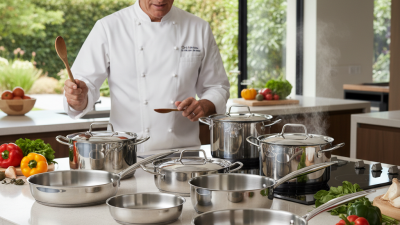
When you're on the hunt for the best steel cooking pots, it’s pretty handy to get some advice from the pros. Chef James McKenzie puts it simply: "The right pot can totally change your whole cooking game." A good-quality Steel Pot isn’t just about looks — it can handle high heat without warping and lasts way longer. But honestly, with so many options out there, picking the right one can feel kinda daunting.
Not all steel pots are the same, that’s for sure. The market’s flooded with choices that look tempting but sometimes fall short when it comes to quality. Things like thickness, material grade, and the brand’s reputation really do make a difference. Still, trying to figure out what’s best can be pretty overwhelming if you’re just cooking at home.
A lot of folks tend to overlook some important details, too. You might see a pot with a sleek design that catches your eye, but it might not be super durable. Before you buy, it’s worth thinking about how you actually cook — do you need something heavy-duty, or just something casual? Spending a bit more on a good steel pot could mean the difference between an amazing meal and a total kitchen disaster. Knowing what to look for can turn your cooking adventures from frustrating to fun. So, choose wisely and enjoy the process — it's all about the journey, right?
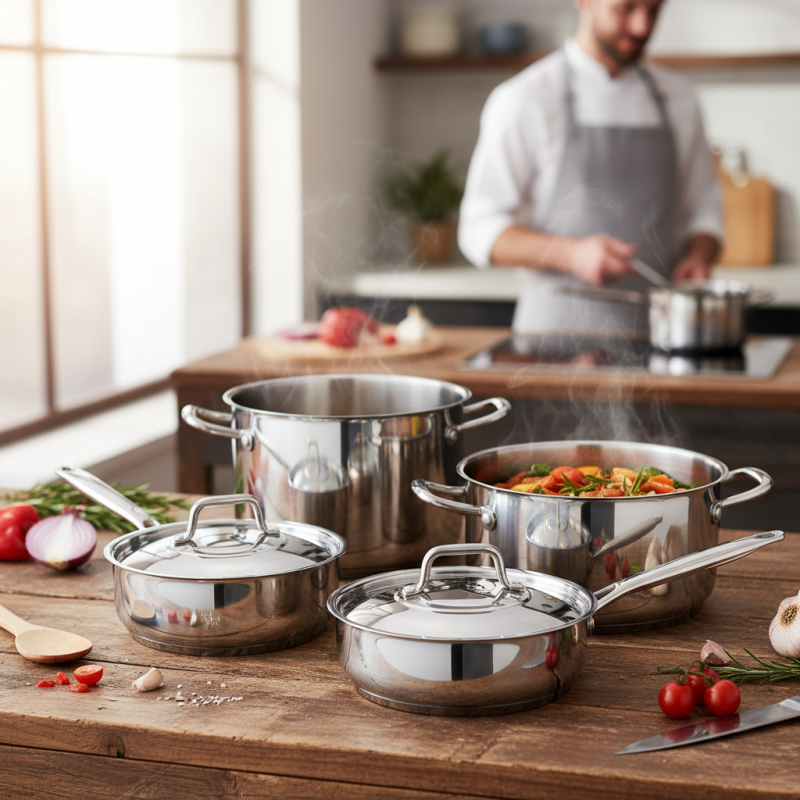
Types of Steel Used in High-Quality Cooking Pots
When choosing high-quality Cooking Pots, the type of steel plays a crucial role. Stainless steel is most popular due to its resistance to rust and corrosion. It ensures durability and maintains a shiny appearance, even after many uses. Many pots are made from 18/10 stainless steel, which contains 18% chromium and 10% nickel. This composition enhances strength and prevents reactions with acidic foods.
Another option is carbon steel. This material heats quickly and offers excellent cooking performance. However, it requires careful maintenance to prevent rusting. Unlike stainless steel, carbon steel needs seasoning, much like cast iron. This adds an extra layer of complexity for some users. It’s worth noting that not all pots require the same level of care.
Lastly, consider pots made from aluminum. They are lightweight and great heat conductors. Yet, aluminum may warp over time if exposed to high heat too often. This can affect cooking results. Finding the right balance of materials is key. Pay attention to your cooking habits when selecting pots. Each type has strengths and weaknesses, and understanding these is essential for making a wise choice.
Key Features to Look for in Steel Cooking Pots
Choosing the right steel cooking pots can enhance your culinary experience. When selecting, consider key features that elevate quality. Thickness is essential. A thicker pot distributes heat evenly, preventing hotspots. This ensures your food cooks uniformly.
Material quality matters greatly. Look for high-grade stainless steel. It resists rust and stains. Plus, it maintains its shine with proper care. Many people overlook maintenance, leading to dull pots. Regular cleaning keeps them lasting longer.
Heat conductivity is another aspect. While stainless steel isn't the best conductor, many pots come with aluminum cores. This can improve performance. Additionally, check for sturdy handles. They should be heat-resistant and securely attached. Weak handles can be a safety hazard. Always test before buying. Your perfect cooking pot is out there; just take your time to distinguish quality.
Comparison of Key Features in High Quality Steel Cooking Pots
The chart above compares key features of high-quality steel cooking pots, rated from 1 to 10. Durability and rust resistance are the highest-rated features, indicating their importance in the selection of cooking pots. Heat conductivity and ease of cleaning are also significant, while weight has a moderate rating.
Advantages of Using Steel Pots for Cooking
Steel pots are a popular choice for cooking, known for their durability and heat retention. They distribute heat evenly, reducing the risk of hot spots. This feature ensures that food cooks uniformly, making steel pots a favorite among professional chefs. According to a recent industry report, nearly 70% of chefs prefer using stainless steel for its reliability and performance.
Using steel pots has other advantages as well. They are resistant to rust and corrosion, contributing to their longevity. This reduces the need for frequent replacements, which is both cost-effective and environmentally friendly. Research shows that steel pots can last over 20 years with proper care. However, users must remember that steel can react with acidic foods, altering flavors. Monitoring cooking times and adjusting temperatures is essential to achieve the best results.
Despite their many benefits, there are downsides to consider. Some users report that steel pots can be heavy and unwieldy, especially when full. Additionally, they may require special cleaning methods to avoid scratches. While steel pots are an excellent investment, weighing both pros and cons is important. Balancing experience with knowledge is key to making the most of steel cookware.
Considerations for Steel Pot Maintenance and Care
When you choose Steel Pots For Cooking, maintenance is key. Regular cleaning prevents rust and keeps your pots looking new. Use a gentle sponge and mild detergent. Avoid abrasive cleaners, as they can scratch the surface. After washing, dry them immediately. Water spots can tarnish the shine.
Storing your steel pots properly is equally important. Stack them with care to avoid dents. Consider using a cloth or paper towel between pots for protection. If you notice discoloration, lemon juice or vinegar can help restore their shine. However, don’t overdo it; too much acidity might harm the material.
Finally, remember that no pot is perfect. Even high-quality steel pots need attention. Regularly check for warping or scratches. A small dent may not seem significant but can affect cooking performance. Caring for your steel pots is an ongoing process, requiring commitment and attention.
Famous High Quality Steel Cooking Pots Tips for Choosing the Best?
| Feature | Consideration | Maintenance Tips |
| Material Quality | Look for pots made from high-grade stainless steel with a thickness of at least 0.5mm. | Avoid abrasive cleaners; use soft sponges for cleaning. |
| Handle Construction | Choose pots with riveted or welded handles for durability. | Check handles regularly for firmness; apply a bit of oil if they feel loose. |
| Heat Distribution | Opt for pots with a thick bottom layer for even heat distribution. | Use low to medium heat to prolong the pot's life and maintain its performance. |
| Size and Capacity | Select the right size based on cooking needs; consider larger pots for stews. | Store stacked with care to avoid scratching; use separators if necessary. |
| Compatibility with Cooktops | Ensure pots are compatible with induction, gas, or electric stoves. | Clean the bottom regularly to maintain contact with cooking surfaces. |
How to Choose the Right Size Steel Cooking Pot
Choosing the right size steel cooking pot involves understanding your cooking needs. A well-fitting pot can enhance your cooking experience. Many cooks overlook the fact that size matters. An oversized pot may lead to uneven cooking, while a tiny one may restrict your recipes. Studies indicate that about 70% of home cooks prefer pots ranging from 5 to 7 quarts for versatility.
When considering Stainless Steel Cooking Pots And Pans, it's crucial to assess your average meal size. If you often prepare family dinners, a larger pot is necessary. Conversely, for solo meals or small dishes, a smaller pot suffices. Unused space in a large pot may lead to potential burning or uneven heat distribution. A report by the Culinary Institute suggests that achieving optimal cooking results depends significantly on pot size and food quantity.
Many people underestimate the importance of pot size. A good rule of thumb is to allow at least 1-2 quarts of space above the food. This can help prevent boil-overs and promote better cooking results. Taking pot dimensions and your usual cooking style into account can aid in making a more informed choice. Don't ignore these factors; they can dramatically affect the success of your culinary endeavors.
Comparing Prices: What Makes a Steel Pot Worth It?
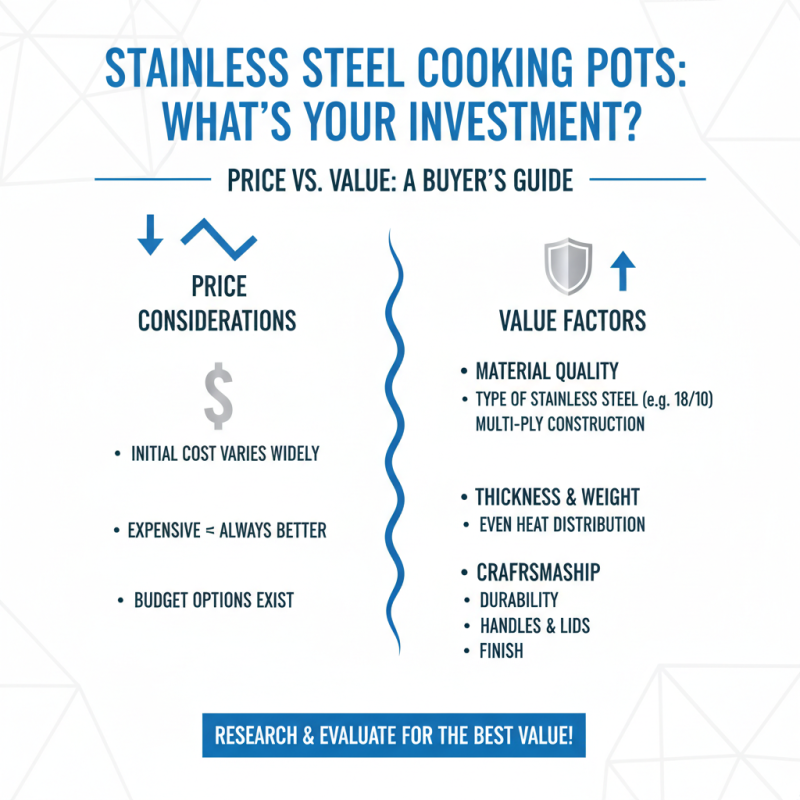
When considering Stainless Steel Cooking Pots, price is a crucial factor. Many overlook what makes a pot truly worth it. High-quality steel pots can cost more but often deliver better performance. They heat evenly, which can improve cooking results. However, not every expensive pot is a good investment. It's essential to evaluate materials, thickness, and craftsmanship.
Another consideration is the warranty or guarantee. Some pots may come with promises of durability but fail in real-world usage. If a pot doesn’t last long, it’s not worth the initial investment. Look for reputable sources that discuss user experiences. Sometimes, a less expensive pot performs just as well. Reading reviews can help uncover hidden gems.
Ultimately, finding the right balance between price and quality is key. It's easy to get lost in a sea of options. Reflecting on your cooking needs will guide your decision. Don’t forget to spend time in-store, if possible. This way, you can feel the weight and see the finish of various stainless steel cooking pots before making a choice.
Top Brands Known for High-Quality Steel Cooking Pots
When choosing the Best Stainless Steel Cooking Pots, several renowned brands stand out. High-quality pots are made from durable materials that withstand heat well. According to industry reports, stainless steel remains a favorite among professional chefs and home cooks alike. It doesn’t react with food. This is vital for cooking safely.
Brand reputation is crucial. Many top brands utilize a tri-ply construction. This method involves layering stainless steel with a core of aluminum for even heat distribution. Some pots also feature ergonomic handles for easy lifting. Reports indicate that pots with these features are preferred among culinary experts. They promote safety and comfort while cooking.
However, price and quality don’t always align. While some brands offer premium options, others may compromise on materials. It’s essential to read reviews and check specifications. Some users report scratching or discoloration over time. Investing in the Best Stainless Steel Cooking Pots might save money in the long run. A well-made pot can last decades, enhancing your cooking experience.
2023 Global Cookware Market Insights: Elevating Culinary Experience with WEIHUA Single-bottom Stainless Steel Multi-layer Steamer
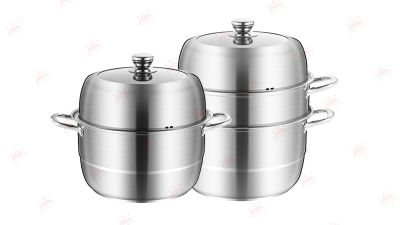
The 2023 global cookware market is witnessing a remarkable transformation, especially in the realm of steaming appliances. Steaming not only promotes healthier cooking by preserving essential nutrients but also enhances the culinary experience by bringing out the natural flavors of ingredients. Among various options, multi-layer steamers are becoming increasingly popular due to their versatility and efficiency.
Among the standout offerings in the market are steamers available in various sizes: 28 cm, 30 cm, and 32 cm diameters. These steamers come equipped with a grid feature, allowing for optimal steam circulation and cooking of multiple dishes simultaneously. The thoughtful design ensures that users can prepare a variety of foods, from vegetables to seafood, retaining moisture and enhancing taste. With the increasing focus on healthy eating, these kitchen tools provide a solution for home cooks looking to elevate their meals without compromising on quality or nutrition.
In addition to promoting healthier cooking, the innovative designs of these steamers cater to modern kitchen aesthetics. Their sleek appearance and functionality make them a valuable addition to any culinary setup. As cooking trends continue to evolve in 2023, the demand for high-quality, efficient steamers is set to rise, allowing culinary enthusiasts to experiment with new recipes and enjoy the health benefits of steaming.
FAQS
: Regular exercise improves physical health. It boosts mood and enhances mental clarity. Many people report better sleep as well.
Begin with small, manageable goals. Consistency is key. Consider activities you enjoy to stay motivated and avoid burnout.
A light snack works well. Aim for carbs and protein. Avoid heavy meals to prevent discomfort during your workout.
Set clear goals and track progress. Find a workout buddy. Changing routines can also keep things fresh and exciting.
Skipping warm-ups can lead to injury. Overtraining without rest is risky too. Listen to your body to avoid burnout.
Staying hydrated is essential. Dehydration can impact performance. Drink water before, during, and after workouts for best results.
Conclusion
When choosing high-quality steel cooking pots, it’s essential to understand the types of steel used, such as stainless steel and carbon steel, each offering unique cooking benefits. Key features to look for include durability, heat conductivity, and resistance to corrosion, which enhance the cooking experience. Steel cooking pots are favored for their longevity, even heat distribution, and ease of maintenance. Proper care and regular maintenance ensure these pots remain a staple in any kitchen.
When selecting the right size steel cooking pot, consider your cooking needs and portion sizes. Additionally, comparing prices helps identify what makes certain steel pots more valuable, focusing on quality and performance rather than just cost. Emphasizing reputable brand options within the steel cooking pot market can guide consumers toward reliable choices that cater to their culinary requirements.