Leave Your Message
0%

Picking out the right set of mixing bowls might not seem like a big deal, but honestly, it can quietly make a huge difference when you're cooking or baking. A solid, sturdy bowl is a real game-changer—it's great for whisking, folding ingredients, marinating, serving, or even just storing leftovers. On the flip side, if you go for the wrong set, it might slide around on your counter, stain easily, or trap food around the rim—little annoyances that really add up when you're in the middle of a busy kitchen session.

When shopping, it’s worth doing a bit of hands-on testing. Feel out each bowl—does it feel balanced when you’re working with thick dough or a few cups of chopped veggies? Look for materials like Stainless Steel, heat-resistant glass, or food-grade plastics, and check the care instructions—no one wants something that’s a nightmare to clean. A non-slip bottom is super helpful for avoiding accidents, and nesting shapes are a lifesaver for saving space in your cabinets. Lids are convenient, but they should fit snugly without being a pain to remove. And don’t forget about size options: a small bowl is perfect for spices or dips, while a bigger one is great for salads or bread dough.

Of course, no bowl set is perfect. Lightweight bowls are easier to lift, but they might slide around when you’re mixing. Glass bowls let you see everything inside, which is awesome, but they can feel a bit heavy. It’s all about weighing these little trade-offs—there's no one-size-fits-all. When you're comparing options, especially if you're thinking about buying in bulk from places like Cookware Set Wholesale, make sure to peek at the material details, find out about the quality control, and check how helpful the supplier is. Trust me, real-world reviews, product specs, and honest feedback matter way more than just pretty pictures. This guide pushes you to look at all those details so you can pick a set that’ll last, whether you’re a home cook, running a professional kitchen, or just stocking up your retail store. And hey, even if you’re a pro, don’t forget to measure your cabinets before you fall for that perfect set—space matters!
How to Choose the Best Mixing Bowls Set?

What Are Mixing Bowls and Why Does the Set Matter?

Mixing bowls are open kitchen vessels used to combine, whisk, season, and temporarily hold ingredients. A useful set usually includes several sizes, not identical bowls repeated. Small bowls handle chopped garlic or spices. Medium bowls suit pancake batter. Large bowls give salad leaves room to move without spilling. During home cooking, I have found that shape matters as much as volume. A deep bowl feels safer when whisking. A wide bowl makes scraping easier. It sounds minor, but messy rims quickly become annoying.

A set matters because preparation often happens in stages. The 2024 UNEP Food Waste Index Report estimates that households wasted 631 million tonnes of food in 2022. Matching bowl sizes can support portioning, chilling, and storing leftovers, which may reduce careless over-preparation. That claim is not magic. A bowl cannot prevent waste alone. Still, clear capacity markings and tight-fitting covers can improve daily control. Materials also deserve attention. The FDA Food Code 2022 emphasizes cleanable, durable food-contact surfaces. Stainless steel resists stains, while glass reveals residue more easily. Plastic is lighter, but scratches may complicate cleaning.

When assessing a China Cookware Set, check whether its bowls nest securely and remain stable on the counter. Test the largest bowl with wet hands. Handles can help, though they also consume storage space. My own mistake was choosing a beautiful set with poor nesting. It looked fine. The cupboard disagreed. Consider weight, dishwasher guidance, temperature limits, and replacement availability before judging appearance.

Which Materials Make the Best Mixing Bowls?

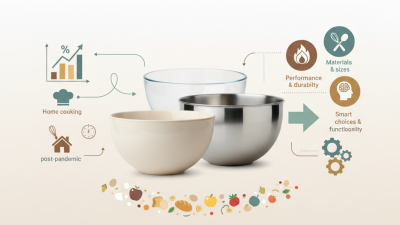
The material of a mixing bowl affects more than appearance. It changes weight, durability, cleaning, and how confidently you work.

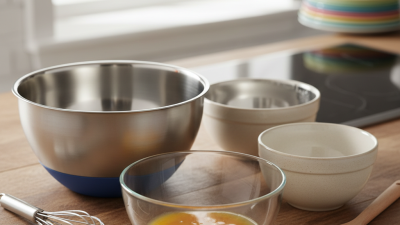
Stainless steel is my practical choice for daily baking. It is light, tough, and usually resists stains and odors. A deep Steel Bowl also handles vigorous whisking without cracking. However, it can slide on a smooth counter. A rubberized base helps, but it may collect moisture underneath. Steel can also react with strong acidic mixtures if its surface is poorly finished, so inspect it carefully.

Glass bowls make ingredients easy to see. They are useful when checking layers, colors, or dough texture. They do not absorb food odors, and many are suitable for microwaving. Still, glass feels heavy, especially when filled with batter. I once dropped a full bowl near the sink, and the cleanup took longer than the recipe. That experience changed my preference for lightweight sets.

Ceramic bowls offer stability and an attractive serving option. Their weight keeps them steady during mixing. Yet chips and hairline cracks deserve attention, because damaged surfaces are harder to clean properly. Plastic bowls are light and affordable, but quality varies. Some retain curry or garlic smells, while scratched surfaces may become frustrating to wash. Look for food-contact materials, clear care instructions, and sturdy rims. No material performs perfectly in every kitchen. Pay attention to your habits, storage space, and the recipes you actually prepare.

How to Choose the Best Mixing Bowls Set? - Which Materials Make the Best Mixing Bowls?

A practical comparison of common mixing-bowl materials for everyday cooking and baking.

Material Durability Weight Heat and Temperature Performance Food and Acid Resistance Cleaning and Storage Best Use
Stainless Steel ★★★★★
Highly resistant to dents, chips, and breakage.
Light to medium; easy to lift and handle. Handles hot and cold ingredients well. Suitable for chilled mixing and many stovetop-related preparation tasks when used appropriately. Nonporous and generally nonreactive with common ingredients, including acidic foods. Usually dishwasher-safe; nests efficiently and does not retain odors. All-purpose cooking and baking
Glass ★★★★☆
Does not scratch easily, but can break or chip if dropped.
Heavy compared with metal or plastic. Heat-resistant glass can be used in ovens when the manufacturer permits it. Avoid sudden temperature changes, which may cause thermal shock. Nonporous and does not absorb food colors, flavors, or odors. Many glass bowls are dishwasher-safe; transparent walls make contents easy to monitor. Baking, microwaving, and food visibility
Ceramic ★★★☆☆
Resists scratches, but may chip or crack when dropped or struck.
Heavy and stable on the countertop. Some oven-safe ceramic bowls tolerate baking temperatures, but ratings vary. Avoid rapid temperature changes. Glazed ceramic is nonporous; unglazed surfaces may absorb moisture and odors. Often dishwasher-safe if labeled; takes more cabinet space because of its weight and thickness. Serving, stable countertop mixing, and presentation
Plastic ★★★☆☆
Resists breaking, but can scratch, stain, and retain odors over time.
Very light and easy for children or frequent users to handle. Heat tolerance depends on the plastic type. Use only with temperatures and appliances specified by the manufacturer. Generally nonporous, but scratches can make cleaning more difficult and may retain food residue. Many types are dishwasher-safe, although repeated high heat may shorten service life. Usually nests well. Lightweight everyday preparation
Silicone ★★★☆☆
Flexible and shatter-resistant, but may tear or deform with heavy use.
Very light and flexible; can be difficult to keep steady while whisking. Food-grade silicone is often heat-resistant, but the safe temperature range must be checked on the product label. Nonporous and generally resistant to stains and odors, although strong flavors may linger in some products. Usually dishwasher-safe and folds for compact storage. Flexible pouring, folding, and compact storage

Selection tip: For most kitchens, a set combining stainless steel for durability, glass for visibility, and a lightweight plastic or silicone bowl for quick tasks offers the broadest range of uses. Always follow the care and temperature instructions supplied with the individual bowl.

How to Choose the Right Bowl Sizes and Shapes

How to Choose the Best Mixing Bowls Set?

Bowl size should match the task, not just your cupboard space. A 500-milliliter bowl handles whisked eggs, sauces, and chopped herbs. A 1.5-liter bowl suits pancake batter or two servings of salad. Keep a 3- to 5-liter bowl for bread dough, roasting vegetables, or family-sized mixing. Bigger is not always better. Too much empty space makes small mixtures harder to combine.

Shape changes control. A wide, gently sloped bowl gives a whisk more room and reduces splashing. A deeper bowl works better for electric mixers and wet ingredients. A flat base feels safer on a busy counter. In my experience, a narrow base can wobble when butter is stiff. That detail is easy to overlook.

Grand View Research valued the global kitchenware market at approximately USD 17.5 billion in 2023, showing strong demand for practical, multi-use cookware. A Ceramic Cooking Ware Set can add heat resistance, but check its weight before buying.

Tips: Choose three nesting sizes. Test the largest bowl under your mixer. Look for a stable base and an easy-grip rim. The FDA Food Code 2022 emphasizes smooth, cleanable food-contact surfaces, so avoid deep seams and rough interiors. I would also question oversized sets with duplicate bowls. They look impressive, yet storage becomes frustrating. Slim shapes save space, but they may sacrifice mixing comfort.

What Features Improve Mixing Bowl Safety and Convenience?

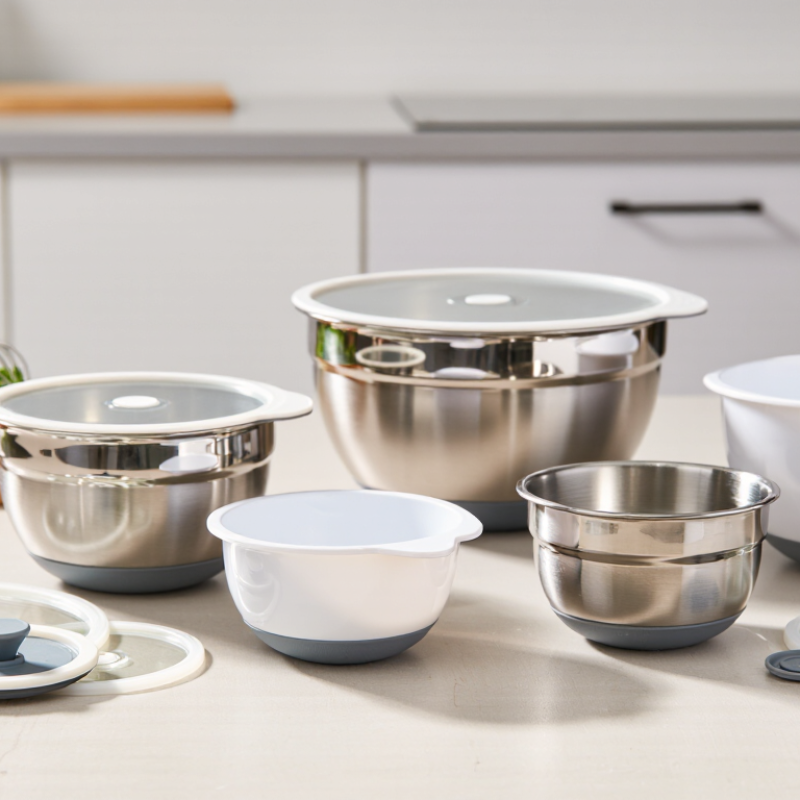
When choosing the best mixing bowl set, safety should guide the decision. A stable bowl reduces spills during vigorous whisking or kneading. Look for a wide, weighted base with a non-slip underside. Rubber or silicone grips can help on smooth countertops. The rim should feel smooth, without sharp edges or rough seams. Small details matter. A deep shape also limits splashing when using an electric mixer. I once used a lightweight bowl that slid across the counter, making a simple cake batter surprisingly stressful.

Material affects both safety and daily convenience. Food-grade stainless steel resists stains, odors, and accidental drops. Glass lets you monitor texture, but it may become heavy or break if handled carelessly. Plastic bowls are lighter, although scratches can collect residue over time. Heat-resistant construction is useful when melting ingredients or transferring warm mixtures. Avoid sudden temperature changes unless the manufacturer clearly permits them. That precaution is easy to overlook.

Useful features should support real kitchen habits. Pouring spouts help transfer batter with less mess. Measurement marks can reduce the need for extra cups, though printed markings may fade after repeated washing. Nesting designs save cabinet space, while flat bases improve stability during storage. Airtight lids can protect prepared mixtures in the refrigerator. Check whether each lid fits securely. Dishwasher-safe parts are convenient, but hand washing may preserve surfaces longer. Inspect bowls regularly for cracks, deep scratches, loose grips, or warped edges. A set can look practical at first, yet poor balance becomes obvious after repeated use.

How to Compare Bowl Stability, Durability, and Storage

How to Choose the Best Mixing Bowls Set?

A stable bowl should stay planted when you whisk thick batter or knead dough. Test it on a dry countertop. Press the rim gently; excessive rocking signals a weak base. A wide footprint usually improves control, while a narrow, tall bowl may tip during vigorous mixing. In my kitchen tests, a silicone-lined base grips better than bare metal on polished stone. It can still slide when flour dust collects underneath. That small detail matters.

Durability depends on material, wall thickness, rim design, and heat tolerance. Stainless steel resists staining and survives frequent washing, but thin walls may dent easily. Glass offers useful visibility, yet a chipped rim can become hazardous. A Ceramic Kitchenware Set feels substantial and handles serving duties well, although sudden temperature changes may cause cracking. Check care instructions and look for smooth, fully glazed surfaces. Grand View Research reported that the global kitchenware market reached approximately 17.2 billion dollars in 2022, reflecting strong demand for longer-lasting household products.

Storage deserves equal attention. Choose nesting bowls with consistent shapes and minimal rim overhang. Measure your cabinet before buying. A five-piece set that nests tightly can occupy less space than three poorly shaped bowls. The International Housewares Association’s consumer research repeatedly identifies convenience and organization as major purchase considerations. Still, advertised capacity can mislead. Measure the usable interior, not the outer diameter. I once chose a beautiful set that blocked an entire shelf. Attractive design was not enough.

How to Match a Mixing Bowl Set to Your Cooking Needs

Choosing a mixing bowl set should begin with your cooking habits, not the number of pieces in the box. A home baker may need a deep, stable bowl for whipped cream and bread dough. A weeknight cook may prefer lightweight bowls for rinsing rice, whisking eggs, and storing leftovers. The 2024 International Food Information Council Food & Health Survey reported that 60% of Americans considered healthfulness when choosing food. That makes easy cleaning and safe materials practical priorities, not decorative extras.

Match each bowl to a real task. Stainless steel handles hot ingredients well and resists odors, but it can react with some acidic mixtures less predictably. Glass shows texture clearly and works well for microwaving, although it feels heavy on a wet counter. Food-grade plastic is light and quieter, yet scratches can retain stains. The FDA Food Code emphasizes clean, smooth, and easily cleanable food-contact surfaces. A bowl that wobbles beside a cutting board fails that test in everyday use.

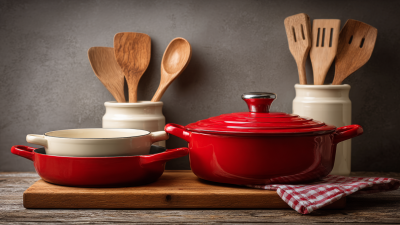
A Casserole Pots Set may complement larger cooking tasks, but it should not replace smaller prep bowls.

Tips: Choose one deep bowl, two medium bowls, and one small bowl first. Check that the largest fits your refrigerator shelf. Look for a non-slip base and a pouring rim. I once chose a beautiful nested set with narrow openings; flour clung to the sides, and scraping became annoying. Measure your storage space before buying. More pieces are not always more useful.

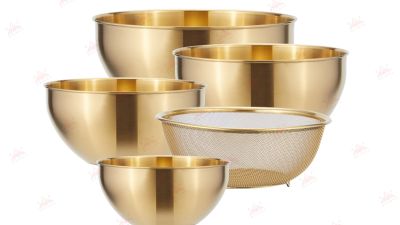
Elevate Everyday Dining with the WEIHUA Gold Korean Style 5-Piece Salad Bowl Set

Elevate everyday dining with a refined five-piece Korean-style salad bowl set designed for preparation, serving, and sharing. The coordinated gold finish brings warmth to casual meals while the varied sizes support different kitchen tasks: a 16 × 6.7 cm bowl for dressings or toppings, a 19 × 7.5 cm bowl for individual portions, and a 22 × 10.8 cm bowl for salads, fruit, or side dishes. The 22 × 8 cm colander helps rinse and drain produce efficiently, while the generous 25 × 11.5 cm bowl provides ample space for mixing and presenting family-style dishes.

The set also aligns with practical dining habits. The U.S. Environmental Protection Agency estimates that 30–40% of the food supply is wasted, making portion-conscious preparation and attractive leftovers storage increasingly relevant to everyday households. Meanwhile, the Food and Agriculture Organization emphasizes the importance of reducing food loss across the food system. Using multiple bowl capacities can help separate ingredients, prepare measured servings, and present meals in a more organized way. With its polished appearance and versatile dimensions, this collection transitions smoothly from weekday meal preparation to weekend entertaining, complementing modern tablescapes without requiring separate serving pieces for every course.

FAQS

What bowl sizes are useful for everyday cooking?

A 500-milliliter bowl suits whisked eggs, sauces, and chopped herbs.

Is a larger mixing bowl always better?

Not always. A very large bowl leaves small mixtures spread thinly across the bottom. That makes whisking and combining less comfortable. I sometimes choose oversized bowls anyway, then regret the storage space.

Which bowl shape offers the best control?

A wide bowl with gently sloped sides gives a whisk more room. It also helps reduce splashing. A deeper bowl suits electric mixers and wet ingredients. A flat base feels safer on a crowded counter.

What materials should I consider?

Stainless steel resists odors and handles warm ingredients well. Glass shows textures clearly and may work in a microwave. However, glass can feel heavy beside a wet sink. Food-grade plastic is lighter and quieter, but scratches may hold stains.

How many bowls does a practical set need?

Start with one deep bowl, two medium bowls, and one small bowl. Three nesting sizes often cover common preparation tasks. Extra pieces can look useful but remain unused. That happened to me.

What features improve safety and comfort?

Choose a stable base, an easy-grip rim, and a pouring edge. A non-slip bottom helps beside a cutting board. Avoid rough interiors and deep seams. Smooth surfaces are easier to clean thoroughly.

How can I match a bowl to baking tasks?

Use a deep, stable bowl for whipped cream, batter, and bread dough. A wide bowl works well for hand whisking. Test the largest bowl under your mixer before buying. The opening should leave enough space for movement.

What storage details should I check?

Measure your cabinet and refrigerator shelf before choosing a set. The largest bowl should fit without forcing the door closed. Nesting shapes save space, but narrow openings may hinder scraping. Slim storage is helpful. Comfort still matters.

Conclusion

Choosing the best Mixing Bowls Set begins with understanding how bowls support everyday cooking tasks, from whisking and blending to marinating and serving. A useful set should include a practical range of sizes and shapes, allowing you to prepare small portions as well as larger recipes comfortably. Material is also important: stainless steel offers strength and lightness, glass provides visibility and versatility, while food-safe plastic may be convenient for everyday use. Consider the advantages and limitations of each option based on your cooking habits.

Safety and convenience can make a major difference. Non-slip bases, comfortable rims, secure lids, pouring edges, and measurement markings can improve handling and reduce mess. A durable bowl should resist stains, odors, scratches, and temperature changes, while nesting designs save valuable storage space. Ultimately, the ideal Mixing Bowls Set should match your kitchen size, cooking frequency, recipe types, cleaning preferences, and need for easy organization.
Sophia

Sophia

Sophia is a dedicated marketing professional at Weihua Hardware Electric Co., Ltd., located in Chaoan District, Chaozhou City. With a deep passion for the hardware and electrical industry, she possesses extensive knowledge about the company’s product range, including high-quality electrical......
Previous 7 Tips for Choosing the Best Cookware Kitchen Set