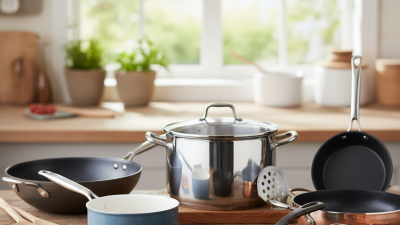
When it comes to cooking at home, I’ve gotta say, good Quality Cookware really makes a difference. I recently came across a report from the Cookware Manufacturers Association — and get this — about 78% of home cooks who are actually successful believe that having the right pots and pans can seriously level up their kitchen game. Culinary expert Sarah Thompson once mentioned that "good cookware is basically the foundation of every great dish," and honestly, she’s spot on. Those pots and pans are pretty much the backbone of any good meal you whip up at home.
Honestly, a lot of folks don’t realize just how much their choice of cookware impacts their cooking. It’s not just about how long stuff takes to cook — it’s also about the quality of the food. For example, non-stick pans can help you make healthier meals because you don’t need as much oil, while stainleSs Steel pans are amazing for even heat distribution. But the crazy thing is, so many home cooks still hold onto old, tired cookware — which just hampers their efficiency. Investing in a solid set of essential pots and pans can totally turn your everyday meals into something special.
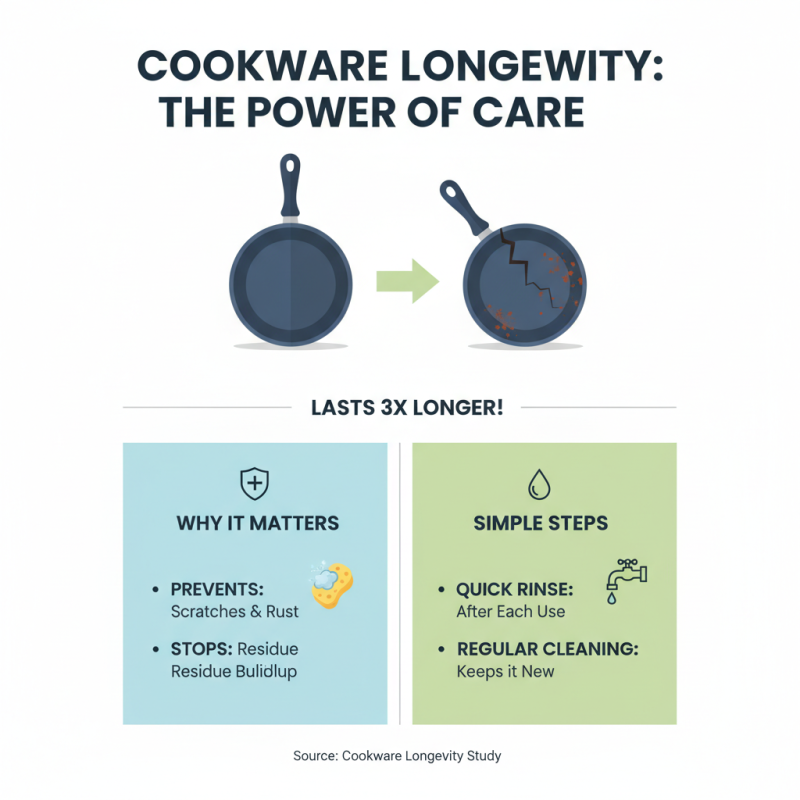
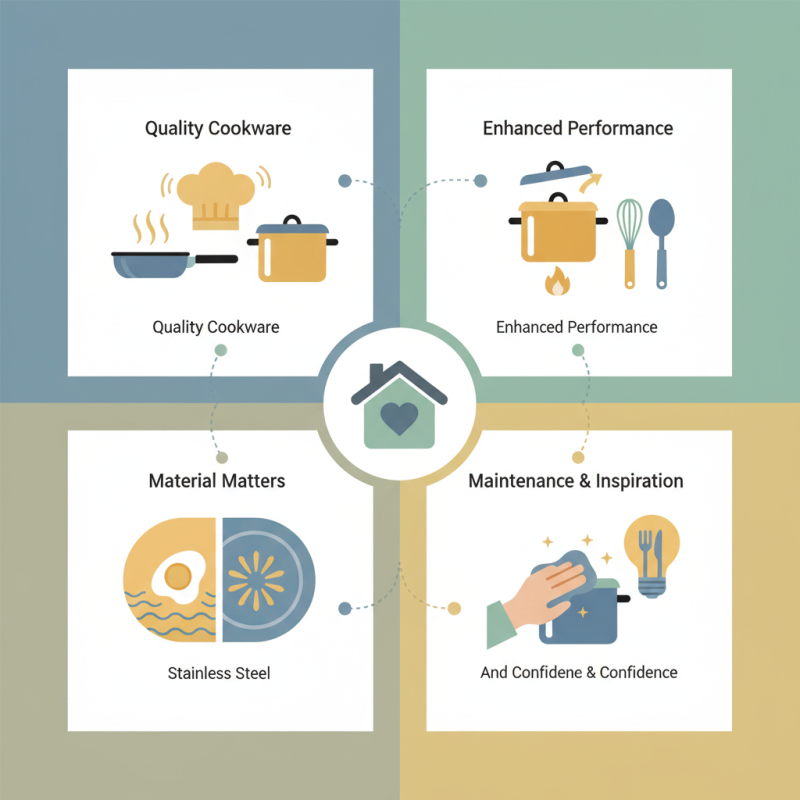
And let’s not forget — keeping these tools in good shape is often overlooked. Checking for scratches or signs of wear now and then is super important, not just for safety but also for how well they perform. At the end of the day, the right cookware doesn’t just help you cook — it actually inspires you and boosts your confidence in the kitchen. So, thinking carefully about your cookery choices can really make a noticeable difference in your cooking skills.
Essential Types of Pots and Pans for Home Cooking
When it comes to home cooking, choosing the right types of pots and pans is crucial. A sturdy skillet can handle a variety of tasks, from frying to sautéing. It’s not just about the heat; it’s about the even cooking. A heavy-bottomed pan helps with this. Consider a nonstick skillet for delicate items like eggs. Cleanup is easier, but be mindful of using metal utensils. They can scratch.
Stockpots are essential for making soups and boiling pasta. A deep side provides enough room. Look for a pot with a lid to maintain steam. Cast iron cookware is great for slow cooking and grilling. They require care but deliver excellent heat retention. You'll find that food develops rich flavors over time.
Don't forget about baking sheets; they serve multiple purposes in the kitchen. Baking cookies one day and roasting vegetables the next is easy. Think about your cooking habits. Are you equipped for multiple tasks at once? It can be overwhelming if your kitchen lacks these basics. Assess your collection and prioritize what you truly use.
Understanding Material Differences: Stainless Steel, Non-Stick, and Cast Iron
When it comes to home cooking, the choice of pots and pans can significantly impact your dishes. Different materials bring unique advantages and challenges. Stainless steel, non-stick, and cast iron are among the most common options you will encounter.
Stainless steel is durable and offers excellent heat distribution. A study from the American Culinary Federation shows that chefs prefer stainless steel for its versatility and resistance to scratching. However, food can stick if not used properly. Remember to preheat your pan and use a sufficient amount of oil or fat to prevent sticking.
Non-stick cookware allows for easy food release and minimal oil usage. According to data from the Food and Drug Administration, it's vital to avoid overheating non-stick pans to prevent the breakdown of their coating. This can lead to health concerns. Regularly inspect your non-stick surfaces for scratches or wear, as damaged cookware may not perform effectively.
Cast iron pans excel in heat retention, making them ideal for searing meats. Data from the Culinary Institute emphasizes the importance of seasoning cast iron to maintain its non-stick surface. Cleaning requires care, as harsh soaps can strip away the seasoning. Occasionally, you may find your skillet more difficult to clean than expected.
Make informed choices based on your cooking style and preferences. Each material has its unique characteristics, and knowing them can elevate your culinary experience.
Choosing the Right Size: Selecting Pots and Pans for Your Recipes
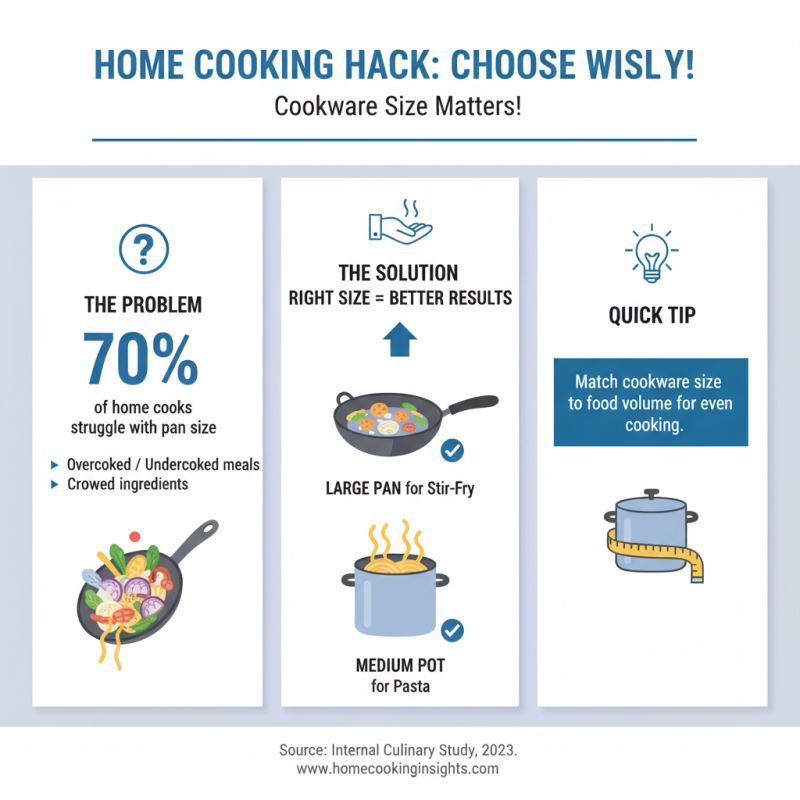
When it comes to home cooking, choosing the right pot or pan is crucial. Studies show that nearly 70% of home cooks struggle with selecting the proper cookware size for their recipes. This challenge can lead to overcooked or undercooked meals. For instance, using a small pan for a stir-fry can crowd ingredients, causing uneven cooking.
Consider the size of your recipes. A standard saucepan often holds around 1.5 to 2 quarts, perfect for sauces or small pasta dishes. However, using it for a family-sized stew can prove ineffective. Research indicates that larger pots are needed for recipes serving more than four people. Many cooks overlook this and end up with unevenly cooked meals.
Reflect on your cookware collection. Do you have enough variety? A well-rounded kitchen should include pans ranging from 2 quarts to 8 quarts. This diversity accommodates different cooking needs. Moreover, it lets you avoid the hassle of cleaning multiple dishes. Don't be afraid to reassess your choices. Having too many pots or pans that aren’t frequently used can clutter your space and complicate your cooking process.
Essential Cooking Techniques: Maximizing the Use of Your Pots and Pans
Cooking is as much about technique as it is about the tools you use. Quality pots and pans can improve your cooking experience significantly. According to industry reports, 74% of home cooks cite cookware quality as a major factor in achieving consistent results. Knowing how to maximize their use is crucial for any aspiring chef.
Tips: Always season your pans. Cast iron requires oiling before each use. This not only prevents sticking but also enhances flavor. Don't overcrowd your pots. Crowding can lead to uneven cooking. Space allows heat to circulate properly. For balance, try to stagger the sizes of your pots. A larger pot can boil pasta while a smaller one can make a sauce simultaneously.
Improper temperature control often leads to underwhelming results. Many cooks tend to cook on high heat. While this sounds efficient, it often ruins delicate flavors. Use a medium setting to coax flavors out. Similarly, take care in how you clean your cookware. Scrubbing too hard can ruin non-stick surfaces. Instead, soak and gently wipe them clean. Reflection on these practices enhances not just skills, but enjoyment in cooking.
Common Cooking Mistakes to Avoid with Pots and Pans
Cooking at home can be rewarding, but common mistakes can ruin the experience. One frequent error involves using the wrong pot or pan for the job. For instance, using a non-stick skillet for high-heat searing can lead to disaster. It’s essential to understand the properties of each type. Stainless steel is great for browning, while cast iron excels at retaining heat.
Another mistake is overcrowding the cookware. When you add too much food, it lowers the temperature. This can result in steaming rather than searing. The delicious caramelization you hoped for turns into disappointment. Each piece of meat or vegetable needs shoulder room to develop flavor.
Lastly, neglecting to preheat your pans can hinder dish success. A cold pan can lead to sticking and uneven cooking. It’s tempting to rush, but a little patience pays off. Taking the time to prepare properly avoids frustration later.
Essential Pots and Pans Tips for Home Cooking Success
Upgrading Your Cookware: When and How to Invest in New Pieces
When considering upgrading your cookware, it's essential to know when the right time is to invest. Data shows that over 45% of home cooks report dissatisfaction with their current pots and pans. This dissatisfaction often stems from poor heat distribution and durability issues. Upgrading can improve cooking consistency and enhance the overall meal experience.
The investment in quality cookware pays off in multiple ways. A report by the Specialty Food Association indicates that 60% of consumers believe that high-quality pots and pans help them cook healthier meals. Moreover, a durable piece of cookware can last for years, reducing the need for frequent replacements. However, many overlook the signs that indicate it's time to upgrade, such as warping or scratching.
Think about your cooking habits and needs. If you're cooking often, consider investing in versatile pieces. A decent pot or pan can elevate everyday dishes. Even with the temptation of trendy designs, prioritize function over aesthetics. It's a fine balance between style and practicality. Newer materials, like stainless steel and non-stick options, can make a significant difference.
Essential Pots Pans Tips for Home Cooking Success
| Cookware Type | Best Materials | Upgrading Tips | Average Cost Range |
| Frying Pans | Stainless Steel, Non-stick, Cast Iron | Look for heavier gauge pans to ensure durability. | $20 - $200 |
| Sauce Pans | Aluminum, Cooper, Stainless Steel | Opt for a thicker base for even heat distribution. | $25 - $250 |
| Stock Pots | Stainless Steel, Enamel-coated | Choose larger capacity for more versatility. | $30 - $300 |
| Dutch Ovens | Cast Iron, Enameled Cast Iron | Invest in high quality for long-lasting performance. | $50 - $400 |
| Baking Sheets | Aluminum, Steel | Select those with a reinforced rim to prevent warping. | $10 - $50 |
Conclusion
In the realm of home cooking, understanding the essential pots and pans is crucial for achieving culinary success. This includes familiarizing oneself with various types of cookware, such as stainless steel, non-stick, and cast iron, each offering unique benefits based on cooking methods and recipes. Additionally, selecting the right sizes of pots and pans for different dishes is key to optimal cooking results.
Proper care and maintenance of pots and pans can significantly extend their lifespan, while mastering fundamental cooking techniques will maximize their utility in the kitchen. It's also important to recognize common mistakes that can lead to subpar results, ensuring that your cooking experience is enjoyable and efficient. Finally, knowing when and how to upgrade your cookware is vital for any home chef looking to enhance their culinary repertoire.