Picking out the right mixing bowls can really take your cooking game up a notch. Joe Smith, a well-known pro from Culinary Essentials, once said, 'Every chef needs the right tools.' And honestly, mixing bowls are kind of a big deal—they’re essential for prepping and mixing ingredients, after all.
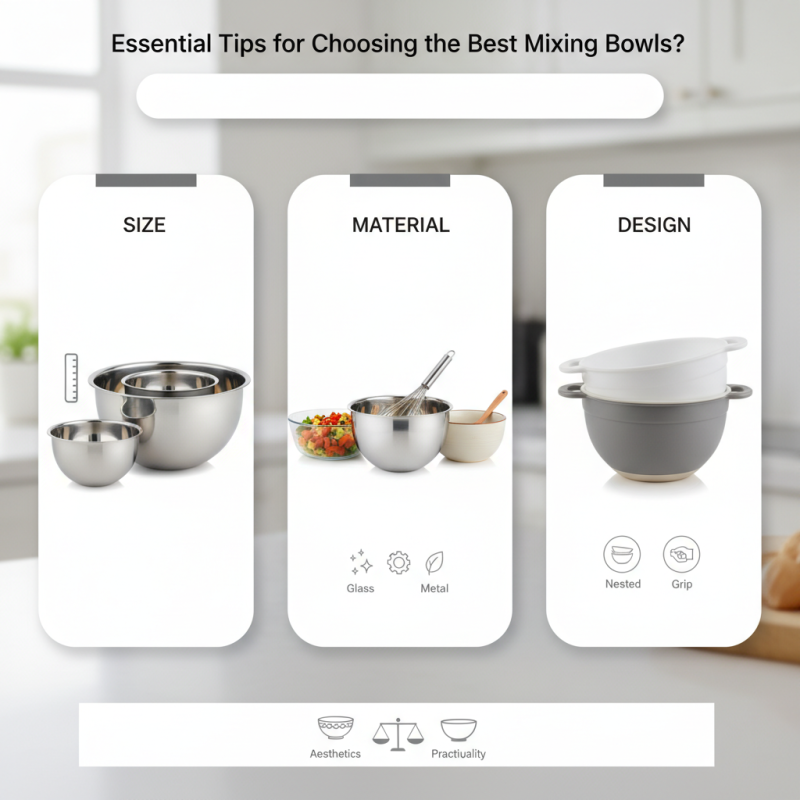
When you're hunting for the perfect set, think about size, material, and how they look. Stainless Steel and glass bowls are super popular because they’re durable and easy to clean. Plastic ones? They’re lightweight and handy, but watch out—over time, they might warp or get scratches. And that gorgeous ceramic bowl? It might look great, but once you fill it, you’ll probably realize it's pretty heavy to handle.
Don't forget how important functionality is, too. Bowls that nest inside each other save space, which is awesome, but sometimes they don’t have a solid grip. When you're on the lookout for your ideal set, take a moment to think about what actually works for you—balance is key, you know? It’s about pairing style with practicality so they actually get used and loved.
Understanding Different Materials for Mixing Bowls
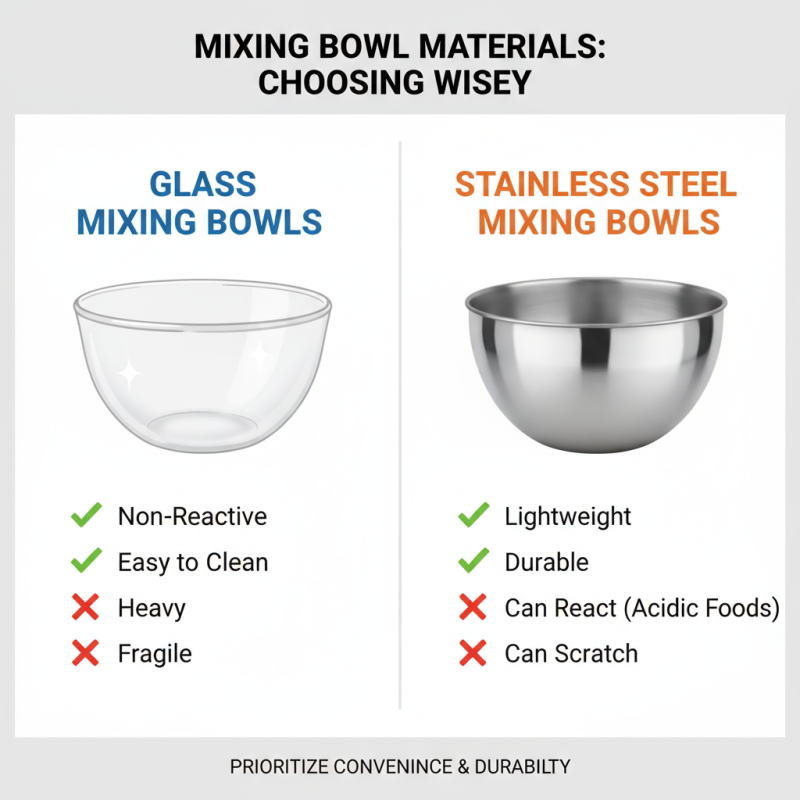
When selecting mixing bowls, understanding their materials is key. Different materials offer unique benefits and drawbacks. Glass bowls are popular because they are non-reactive and easy to clean. However, they can be heavy and fragile. Consider how you prioritize convenience and durability in your kitchen.
Plastic bowls are lightweight and often come in a variety of colors. They are less breakable, but may absorb odors over time. Stainless Steel Bowls are sturdy and great for various tasks. They conduct heat, which can be useful for whisking egg whites. Yet, they can sometimes feel cold to the touch. Reflect on how often you plan to use the bowls and what tasks they will serve.
Tips for choosing mixing bowls include assessing your cooking style. If you bake often, consider investing in glass or stainless steel. If you have limited storage, stackable options can save space. Keep in mind that certain materials might not go in the microwave. Think about how you feel about maintenance; some materials require more care. Choosing the right bowl is not just about looks, but functionality too.
Assessing Size and Volume for Your Cooking Needs
When assessing size and volume for your cooking needs, consider what you frequently prepare. A small mixing bowl works well for quick tasks like whisking eggs or mixing simple dressings. An average size bowl is versatile, suitable for salads or larger mixtures. Yet, think about how often you need these different sizes.
Larger bowls, while great for bulk cooking, can be unwieldy. They take up space and may not fit in your everyday routine. Reflect on your kitchen habits. Do you often batch-cook or prefer smaller portions? This can help determine the bowl sizes you truly need.
Also, consider your storage options. If space is tight, you might require nesting bowls that save room. The material matters too. Lighter bowls are easier to handle, while heavier ones provide stability. Think through these factors carefully before making your selection.
Exploring Bowl Shapes and Their Practical Applications
When choosing mixing bowls, the shape plays a crucial role in functionality. Deep bowls are ideal for vigorous stirring and whisking. They prevent spills and keep ingredients contained. Shallow bowls offer an advantage for tossing salads or mixing dry ingredients. The wide surface area allows for better coverage. A slight slope at the sides can facilitate scooping out contents, too.
Consider the shape of your mixing bowls for specific tasks. A bowl with a flat bottom remains stable on the countertop. This is essential for tasks that require precision. However, a rounded base may be better for tasks that involve incorporating air, like whipping egg whites. It's important to recognize that not all shapes serve every mixing purpose. You might find yourself struggling if you use the wrong shape.
Evaluate how well each bowl fits your cooking style. Experimenting with multiple shapes can reveal surprising benefits. Some users prefer a rounded bowl for baking, while others opt for a square one for efficient corner mixing. The variety of shapes can support creativity in the kitchen. Yet, be mindful that certain shapes may not stack well for storage. This is a detail often overlooked.
Essential Tips for Choosing the Best Mixing Bowls - Exploring Bowl Shapes and Their Practical Applications
| Bowl Shape | Material | Capacity | Best Use |
| Round | Glass | 2 quarts | Mixing, Baking |
| Square | Plastic | 1.5 quarts | Meal Prep, Storage |
| Oval | Ceramic | 3 quarts | Serving, Mixing |
| Deep | Stainless Steel | 4 quarts | Whipping, Fermenting |
| Wide | Bamboo | 2 quarts | Salads, Mixing |
Evaluating Durability and Resistance to Stains and Odors
When choosing mixing bowls, durability is a key factor. Bowls made from materials like stainless steel or glass typically last longer. They withstand daily use better than plastic. However, some glass pieces may chip easily. A scratch on the surface can harbor bacteria, affecting food safety.
Stain and odor resistance are crucial in selecting your bowls. Non-porous materials tend to resist both stains and odors effectively. Consider how often you'll use the bowls for sticky ingredients, like batter. Some bowls absorb these smells. A thorough wash may not remove lingering odors.
It's essential to evaluate how you store and clean your mixing bowls. If you stack them, ensure they won't scratch each other. Piling them haphazardly can lead to unexpected damage. Cleaning can also be a challenge; some materials are dishwasher-safe while others require hand washing. Think about how much effort you're willing to put into maintaining their appearance and hygiene.
Considering Ease of Cleaning and Maintenance for Mixing Bowls
When selecting mixing bowls, ease of cleaning and maintenance is crucial. A smooth surface makes washing up simple. Stainless steel bowls are often favored for their durability. However, they can scratch easily. This may lead to food particles sticking in tiny crevices. Glass bowls, on the other hand, clean well, but they are fragile. Dropping them can be a disaster.
Consider bowls with non-stick coatings. They can save time, but their longevity may be a concern. Over time, the coating might wear away, compromising their effectiveness. Look for bowls that are dishwasher-safe. This feature can save significant effort in your kitchen routine. However, even dishwasher-safe items might require hand washing for stubborn stains.
It’s essential to choose the right materials. Plastic bowls are lightweight and can be easily handled. Yet, they may absorb odors or stain over time. Reflect on your cooking habits to find a balance. Evaluate how often you cook and clean. This will allow you to select bowls that suit your lifestyle best.
Comparing Price Points and Value for Mixing Bowls
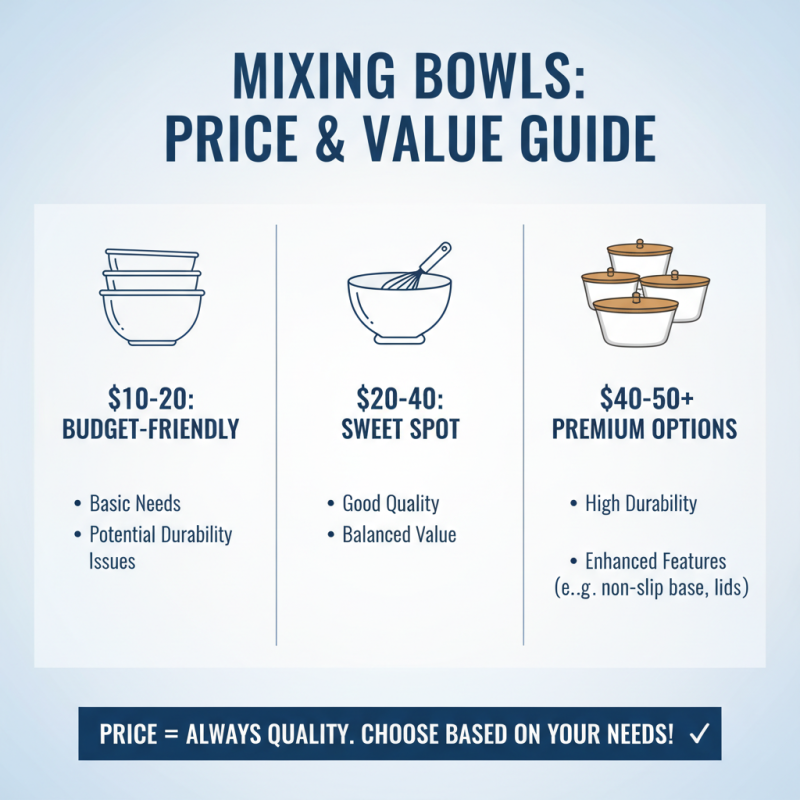
When selecting mixing bowls, price and value are critical. A recent industry report reveals that the average cost of mixing bowls can range from $10 to $50. This range can be confusing. Many shoppers assume higher prices equal better quality, but this isn't always true. Cheaper options may serve basic needs well. However, potential durability issues can arise, leading to more frequent replacements.
Value assessment matters. A 2022 survey indicated that 65% of consumers prefer versatile mixing bowls. They seek options that serve multiple functions. This versatility can justify higher prices. Stainless steel bowls, for example, often cost more but offer longevity and resistance to stains. Yet, do they meet individual cooking needs? A skilled cook might find less expensive options just as effective.
It’s essential to evaluate personal cooking habits. A bowl that looks appealing might not be the best choice for heavy mixing. Consider materials, sizes, and shapes. The perfect bowl for a casual cook may not work for someone who bakes regularly. Sometimes, the most vibrant options come with a hefty price tag. Reflect on whether they're truly worth the investment.
Looking Into Brand Reputation and Customer Reviews
When choosing mixing bowls, brand reputation and customer reviews play a crucial role. A recent study shows that 87% of consumers trust online reviews as much as personal recommendations. Trust is key in selecting high-quality bowls. Many shoppers find it helpful to read feedback from previous buyers. Reviews often reveal important details about durability, usability, and design flaws.
Most reputable brands score high in satisfaction surveys. However, not all customer experiences align. Some users report issues with scratches or breakage over time. This inconsistency should raise a red flag during your selection process. Research claims that about 30% of mixing bowls fail to meet consumer expectations based on unverified reviews. Investigating customer feedback thoroughly is worth the extra effort. It can prevent disputes with returns and exchanges later on.
In addition, check ratings across different platforms. A bowl with solid ratings on one site may have negative reviews on another. Factors like mixing surface, weight, and handle design are often mentioned. Some customers appreciate bowls that stack well for storage. Others prioritize microwave and dishwasher safety. Those specific details can guide your choice effectively. Discrepancies in experiences highlight the importance of due diligence in seeking the perfect mixing bowl.
Essential Tips for Choosing the Best Mixing Bowls
The chart above illustrates the relative importance of various factors such as material quality, size variety, design, brand reputation, and customer reviews when choosing the best mixing bowls. A higher rating indicates a greater emphasis on that factor.
Maximize Your Kitchen Efficiency: The Ultimate Guide to WEIHUA Stainless Steel Mixing Bowls & Colander with Handles
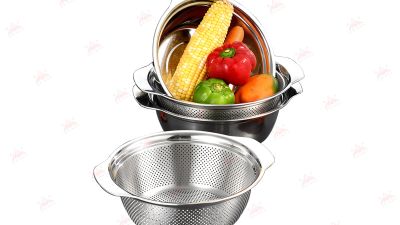
In any flourishing kitchen environment, efficiency is paramount, and the right tools can significantly enhance your culinary experience. One of the essential components of an efficient kitchen is a versatile mixing bowl and colander set. The WEIHUA stainless steel mixing bowls and colanders are designed with handles for easy maneuverability, catering to the diverse needs of both novice cooks and seasoned chefs. Available in various sizes—from 23x7.8 cm to 35x11.8 cm—this set accommodates a wide range of tasks, from washing vegetables to mixing large batches of dough.
According to a report from the Food and Agriculture Organization, an organized kitchen setup can improve food preparation speed by up to 30%. When you have the right mixing bowls at your disposal, like those offered in several diameters, you can maximize space and streamline your food preparation processes. The thoughtfully designed bowls allow for easy pouring and sieving, ensuring that your kitchen workflow remains uninterrupted. Furthermore, the durable stainless steel material not only promises longevity but is also easy to clean, encouraging frequent use and reducing waste associated with disposable kitchen items.
The integration of colanders with handles aids in reducing strain during food preparation, a crucial consideration as many studies indicate that ergonomic designs in kitchen utensils can decrease the likelihood of injury by as much as 25%. As such, investing in quality mixing bowls and colanders enhances not only productivity but also promotes a healthier cooking environment. By capitalizing on these simple yet effective tools, you can create an efficient kitchen that fosters creativity and joy in your cooking endeavors.
FAQS
: The product aims to improve daily convenience and enhance user experience.
It operates using simple actions or commands. Users should read instructions carefully for best results.
Yes, it’s designed for adults but children may use it under supervision.
Check troubleshooting tips in the manual. If issues persist, consider reaching out for support.
Yes, but be cautious of extreme weather. Direct sunlight or rain may affect performance.
A limited warranty may be included. Read the details to understand coverage and duration.
Use soft, damp cloths for cleaning. Avoid harsh chemicals that could damage the surface.
Yes, avoid exposing the product to water. Keep it away from high-heat areas.
Feel free to consult the FAQ section or contact customer support for assistance.
Review the return policy for conditions. Be mindful of the time limit for returns.
Conclusion
When selecting the best mixing bowls, it's essential to understand the various materials available, such as glass, metal, and plastic, each offering unique benefits for different cooking needs. Additionally, assessing the size and volume of the bowls will help ensure they fit your specific culinary tasks, while the shape of the bowls can enhance their practicality for mixing, whisking, and serving.
Durability and resistance to stains and odors are also crucial factors to consider, as these features contribute to the longevity and usability of your mixing bowls. Furthermore, ease of cleaning and maintenance can significantly affect your cooking experience. Finally, comparing price points and evaluating brand reputation through customer reviews can help identify the best value options that meet your cooking requirements while ensuring reliability and satisfaction.