Leave Your Message


You know, these days, buyers around the world are rethinking what they want in their everyday cookware—think pans, pots, and lids. The market’s definitely growing, but let’s be honest: the quality? It’s all over the place. According to Mordor Intelligence, the global cookware market is expected to jump from about USD 19.5 billion in 2024 to roughly USD 26.7 billion by 2029. That’s a huge opportunity, right? Also, Grand View Research points out that Stainless Steel, aluminum, and non-stick options are the main players out there. But here’s the thing—just because the numbers look promising doesn’t mean every product will do what you need it to.
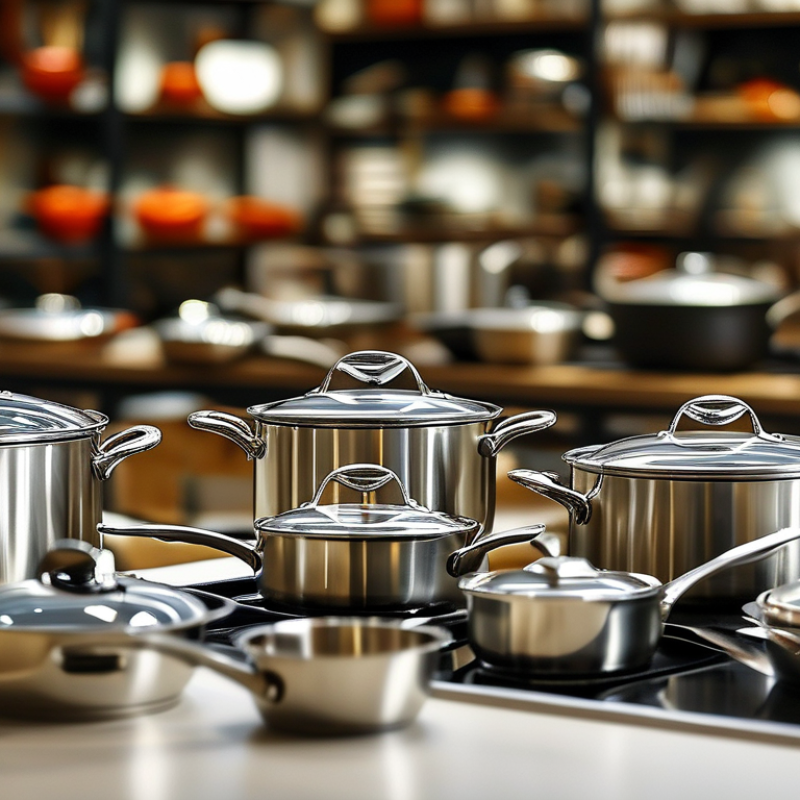
Cookware kitchen set manufacturers operate in a broad, competitive global market. Demand comes from retailers, hospitality suppliers, online sellers, and household distributors. Buyers usually compare material quality, production capacity, customization, and delivery reliability. Stainless steel, aluminum, cast iron, and coated cookware serve different price segments.
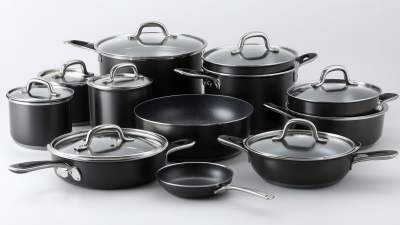
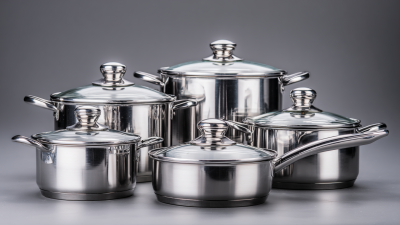
A Steel Kitchen Cookware Setmay include saucepans, frying pans, stockpots, lids, and removable handles. Manufacturers often offer several thickness options for different cooking results and budgets. A heavier base can improve heat distribution. However, weight also increases shipping costs. This detail is easy to overlook during early sourcing discussions.
The market scope extends from mass-market sets to premium, induction-ready collections. Exporters must understand food-contact requirements in each destination. Testing should cover coating durability, handle strength, corrosion resistance, and lid fit. Factory audits can verify equipment, worker skills, and quality records. A polished sample is not enough. Production batches may reveal uneven polishing, loose rivets, or inconsistent packaging.
Experienced global buyers also review minimum order quantities, mold ownership, spare parts, and replacement policies. Digital catalogs rarely show the full picture. Clear specifications reduce disputes. Still, some forecasts remain uncertain because freight rates, metal prices, and consumer preferences change quickly. Manufacturers that document their processes appear more reliable, but buyers should verify every important claim independently.
| Cookware Category | Common Materials | Typical Product Configuration | Common Size Range | Compatible Heat Sources | Key Manufacturing Processes | Global Buyer Considerations |
|---|---|---|---|---|---|---|
| Stainless Steel Kitchen Sets | 18/8 stainless steel 18/10 stainless steel Aluminum core | Stockpots, saucepans, sauté pans, frying pans, lids and steamer inserts | Approximately 16–32 cm for pans; 3–12 L for pots | Gas, electric, ceramic and induction when fitted with a magnetic base | Deep drawing, stamping, spinning, polishing, multi-layer base bonding and handle assembly | Confirm steel grade, base flatness, lid fit, wall thickness, induction performance and food-contact compliance |
| Aluminum Cookware Sets | Pressed aluminum Cast aluminum Anodized aluminum | Frying pans, saucepans, grill pans, casserole pots and detachable-handle sets | Approximately 18–30 cm for pans; 2–8 L for pots | Gas, electric and ceramic; induction requires a ferromagnetic base | Stamping, die casting, hard anodizing, coating application and base attachment | Evaluate coating adhesion, aluminum thickness, warpage resistance, handle strength and recycling requirements |
| Non-Stick Cookware Sets | Aluminum body PTFE coating Ceramic coating | Frying pans, woks, saucepans, grill pans and compatible glass or metal lids | Approximately 20–32 cm for frying pans; 2–6 L for covered cookware | Gas, electric and ceramic; induction depends on the base construction | Surface pretreatment, spray or roller coating, curing, stamping and riveted or welded handle assembly | Check coating uniformity, abrasion resistance, maximum temperature guidance, utensil compatibility and applicable chemical regulations |
| Cast Iron Cookware Sets | Bare cast iron Enameled cast iron | Skillets, Dutch ovens, grill pans, griddles and casserole dishes | Approximately 20–31 cm for skillets; 3–7 L for Dutch ovens | Gas, electric, ceramic, induction and oven use; verify glass-cooktop guidance | Sand casting, fettling, shot blasting, seasoning or enameling, machining and quality inspection | Assess weight, enamel consistency, chipping resistance, lid fit, surface smoothness and packaging protection |
| Copper Cookware Sets | Copper exterior Stainless steel lining Tin lining | Sauté pans, saucepans, frying pans, rondeaus and specialty serving cookware | Approximately 16–30 cm for pans; 1.5–6 L for pots | Gas, electric and ceramic; induction requires a magnetic external base | Spinning, forming, lining, brazing, polishing and protective finishing | Confirm copper thickness, lining type, handle security, tarnish protection and care instructions for international retail |
| Carbon Steel Cookware Sets | Carbon steel Seasoned steel | Woks, frying pans, crepe pans, paella pans and griddles | Approximately 20–36 cm for pans; 28–36 cm for common woks | Gas, electric, ceramic and induction | Deep drawing, spinning, welding, polishing, seasoning and handle attachment | Inspect steel gauge, bottom flatness, seasoning uniformity, rust protection and regional care-label requirements |
| Ceramic and Stoneware Sets | Vitrified ceramic Stoneware Glazed ceramic | Baking dishes, oven casseroles, ramekins, roasting dishes and serving pieces | Approximately 0.3–5 L capacity; rectangular dishes commonly 20–40 cm long | Oven and microwave use when specified; generally unsuitable for direct stovetop heat | Slip casting, pressing, glazing, kiln firing, decorating and thermal-shock inspection | Verify lead and cadmium limits, thermal-shock resistance, glaze quality, dimensional consistency and breakage-safe packaging |
| Multi-Layer Cookware Sets | Stainless steel Aluminum core Magnetic steel base | Frying pans, saucepans, stockpots, sauté pans and universal lids | Approximately 18–32 cm for pans; 2–12 L for pots | Gas, electric, ceramic and induction | Sheet lamination, deep drawing, edge finishing, polishing, welding and pressure testing | Compare layer structure, heating uniformity, base thickness, rivet quality, nesting efficiency and total set weight |
| Wok and Asian-Style Cookware Sets | Carbon steel Stainless steel Cast iron Aluminum | Round-bottom or flat-bottom woks, ladles, spatulas, steamers and lids | Approximately 28–36 cm for household woks; 3–8 L for covered models | Gas is common; flat-bottom versions may support electric, ceramic or induction cooking | Spinning, pressing, welding, seasoning, polishing and accessory assembly | Specify bottom geometry, handle design, regional cooking compatibility, seasoning requirements and carton dimensions |
| Pressure Cookers and Specialty Sets | Stainless steel Aluminum alloy Silicone sealing parts | Pressure cookers, replacement gaskets, valves, steamer baskets and cooking inserts | Approximately 3–10 L for household models | Gas, electric, ceramic and induction depending on the base design | Deep drawing, precision machining, sealing-system assembly, pressure testing and safety inspection | Require documented safety testing, pressure ratings, valve reliability, spare-part availability and market-specific compliance |
: Common materials include stainless steel, aluminum, cast iron, coated surfaces, glass, and silicone. Each material has trade-offs. Stainless steel resists corrosion, while aluminum heats quickly and weighs less.
A set may contain frying pans, saucepans, stockpots, lids, and removable handles. Some collections also include bakeware, storage pieces, and food-preparation tools. The contents should match the buyer’s target customers.
Check material grade, wall thickness, handle strength, lid fit, and heat compatibility. Test coating durability and corrosion resistance before large orders. A polished sample is not enough.
Not necessarily. A heavier base can improve heat distribution and stability. However, extra weight increases shipping costs and handling difficulty. This trade-off is easy to miss.
Confirm colors, handle designs, molds, packaging, and minimum order quantities. Clarify mold ownership and replacement policies in writing. Small details matter later.
MOQ means minimum order quantity. Standard products may require about 300 to 1,000 sets. Customized colors or handles may require higher volumes. A pilot order can reduce risk.
Compare landed cost, not only the factory price. Include insurance, duties, inland transport, port fees, packaging, testing, and freight. Low prices can hide expensive logistics problems.
Request factory audits, quality records, certificates, capacity details, and production samples. Use pre-shipment inspections with written tolerance limits. Claims still need independent checking.
Packaging should protect handles, lids, coatings, and polished surfaces during transport. Confirm carton dimensions before booking freight. Cast iron may need stronger protective packaging.
Market forecasts can indicate demand, but they are not guarantees. Metal prices, freight rates, customs delays, and preferences change quickly. I would keep a buffer.
The global cookware market offers a wide range of manufacturers producing cookware kitchen sets for household, hospitality, and retail applications. Common product categories include frying pans, saucepans, stockpots, woks, and combination sets, made from materials such as stainless steel, aluminum, cast iron, and nonstick-coated surfaces. International buyers should evaluate product durability, heat distribution, handle construction, coating performance, food-contact safety, and relevant quality certifications before placing an order.
A reliable cookware manufacturer should also demonstrate consistent production capacity, strict quality control, flexible customization, and private label support. Buyers need to compare pricing, minimum order quantities, packaging options, lead times, payment terms, and shipping capabilities when planning global procurement. The right partner is one that can meet technical specifications, maintain stable quality across large orders, communicate clearly, and provide dependable supply chain support while adapting products to different market requirements.