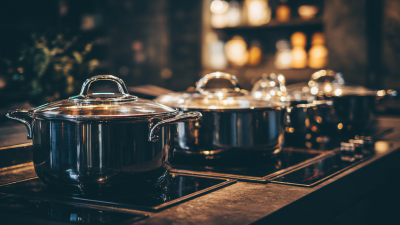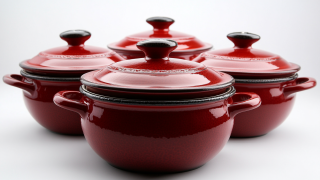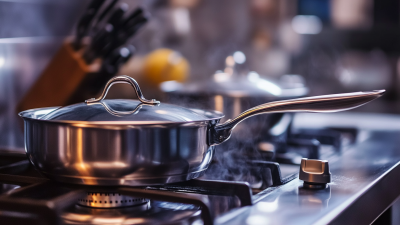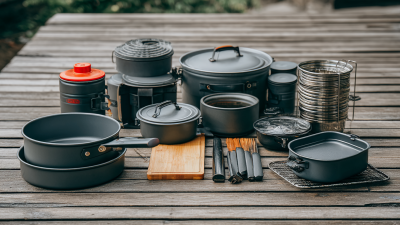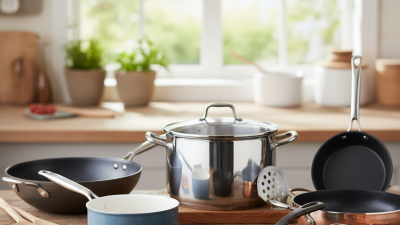
When you’re trying to cook up some truly awesome meals, having the right cookware really makes a huge difference. Even professional chefs like Jamie Oliver stress this point, saying, "Quality Pots And Pans are the real foundation of good cooking." Diving into the world of pots and pans, it’s important to pick the ones that match your own style. Whether you’re sautéing veggies or doing slow-cooked stews, using the right tools can totally take your dishes to the next level.
Every chef’s got their own favorites. Some can’t live without non-stick pans, while others swear by the sturdiness of stainleSs Steel. Brands like Cuisinart and T-fal offer all sorts of options that cater to different needs. In fact, many professional kitchens focus heavily on stainless steel because it spreads heat evenly and holds up well over time. But let’s be honest — not every pot is perfect for every job. Some might stick more than you'd like, and others? Well, they might be a bit too heavy to handle comfortably.
As you start exploring all the choices out there, think about your own cooking routine. Do you value convenience above everything, or are you looking for something more versatile? What you choose in cookware can really shape your whole cooking experience. Figuring out what works best for you might even surprise you — maybe you’ll discover a new favorite, or run into some unexpected challenges. Ultimately, each pot and pan has its own story to tell in the kitchen, and finding yours can make cooking even more fun and personal.
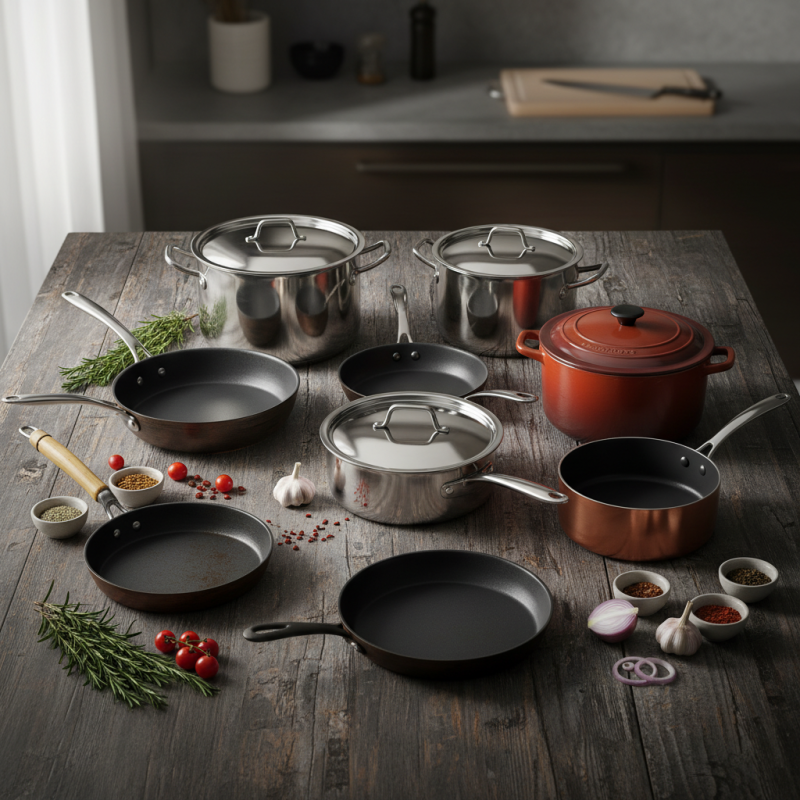
Choosing the right pots and pans is crucial for any cooking style. Each piece plays a unique role. Stainless steel is a versatile option. These pans offer durability and even heat distribution. They are great for searing and sautéing. Non-stick is another excellent choice, especially for beginners. It makes cooking and cleaning effortless.
When looking for essential pots and pans, consider size and material. A heavy-bottomed skillet is ideal for browning meats. It retains heat well. A medium-sized saucepan is useful for cooking grains or sauces. A larger stockpot is handy for making soups or boiling pasta. Every kitchen should have at least one roasting pan. It enhances flavor through caramelization.
**Tips:** Always preheat your pan to achieve the best results. It is common to underestimate this step. A good rule of thumb is to test the heat with a drop of water. If it dances, you’re ready to cook. Don’t forget the importance of proper storage. Keep your pots and pans organized to avoid scratches. This extends their lifespan significantly. Consider investing in high-quality options like Target Stainless Steel Pots And Pans for long-term use.
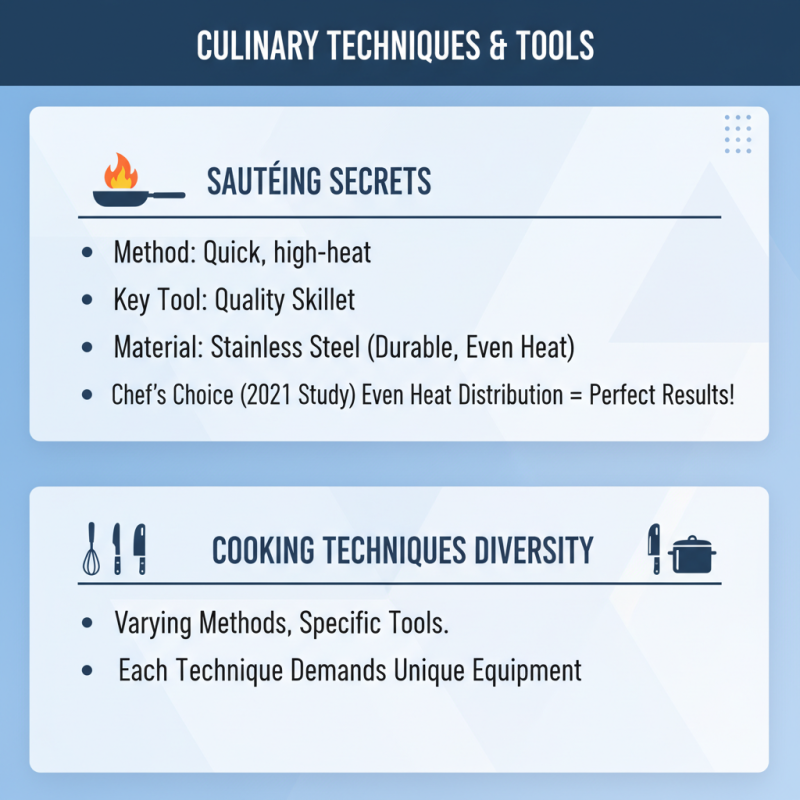
Cooking techniques vary widely, and each demands specific tools. Sautéing requires quick, high-heat methods. A good skillet can make all the difference. Stainless steel is often favored for its durability. According to a 2021 study, professional chefs prefer materials that conduct heat evenly. This ensures perfect results every time.
In contrast, baking needs consistent temperatures. Bakeware must withstand high heat without warping. Aluminum is a popular choice for its excellent heat conduction. The American Culinary Federation notes that improper baking tools lead to uneven results. Many novice bakers overlook this detail. They assume any pan will do.
Then there’s simmering and boiling. A sturdy pot with good lid fit helps maintain moisture and flavor. Poor-quality pots can lead to loss of important nutrients. Research suggests that overcooking ingredients is common among home cooks. They often underestimate the importance of using the right pan. Cooking is as much about technique as it is about ingredients. Both need to work in harmony for successful meals.
When choosing pots and pans, material significantly affects cooking outcomes. Stainless steel is a favorite for its durability and heat retention. It can become discolored over time, and food may stick if not cared for properly. Additionally, it requires regular polishing to maintain its shine. This steel is ideal for searing and browning, giving a beautiful crust to meats.
Nonstick cookware has revolutionized home cooking. It's convenient and simplifies cleanup, but it can wear out quickly. Some nonstick coatings may scratch easily, leading to concerns about safety. They excel with delicate foods like eggs and pancakes. However, using metal utensils on these surfaces can lead to damage. On the other hand, cast iron is beloved for its ability to retain heat. It requires seasoning to maintain its nonstick surface, which can be tricky. Over time, it develops a natural finish, enhancing its cooking capabilities. Each material offers unique benefits and drawbacks, which can impact your cooking experience. Try experimenting with various options to find what suits you best.
Choosing the right size for pots and pans is crucial for any cooking style. A report from the Kitchenware Manufacturers Association reveals that nearly 70% of home cooks believe size is key to successful meals. This emphasizes the importance of matching the dimensions of your cookware to your cooking tasks. For instance, a small saucepan is ideal for simmering sauces, while larger stockpots are necessary for boiling pasta or making soups.
When selecting your pots and pans, consider not only the capacity but also the cooking surface. A 10-inch frying pan may be versatile, but it can be cramped for cooking multiple chicken breasts. Many home cooks overlook this aspect, causing uneven cooking. A larger pan might require more storage space, leading to clutter. Balance is essential here, as too many large items can create a chaotic kitchen environment.
Cooking efficiency can be adversely affected by improper sizes. A 2022 study showed that cooks using mismatched sizes often waste 20% more energy. This is an often-ignored detail that impacts the cooking process. Think about your space limitations too. If you live in a small apartment, overly large cookware may not be practical. The right dimensions enhance both functionality and flow in your kitchen setup.
When it comes to cooking, the material of pots and pans plays a critical role. Different materials offer varying levels of heat conductivity. For instance, stainless steel is popular but it doesn't conduct heat as efficiently as other materials. This can lead to uneven cooking outcomes, making it a tricky choice for precise recipes.
On the other hand, copper is known for its superior heat conductivity. It heats up quickly and cools down just as fast. This responsiveness allows for better temperature control. However, high-end pots and pans made from copper can be more challenging to maintain. They require regular polishing to keep that shiny appearance. Besides, they can be reactive with certain foods, affecting taste.
Cast iron offers a distinct experience. It holds heat well and distributes it evenly, creating beautifully seared dishes. Yet, it requires proper seasoning to prevent rusting. Many cooks appreciate the depth of flavor it can provide, but not everyone is prepared for the upkeep involved. Choosing the right material definitely affects cooking performance, and it’s worth experimenting to find what suits your style best.
Maintaining your cookware can extend its life significantly. Proper care is essential for all types of pots and pans. For instance, always allow your pans to cool down before washing them. A sudden temperature change can warp materials. This is especially true for metal cookware, which can be quite sensitive.
Different materials require specific attention. Non-stick surfaces need a gentle touch. Avoid abrasive scrubbers that can scratch the surface. Instead, opt for a soft sponge. Even a minimal scratch can compromise the functionality of your non-stick pots. Store these carefully to prevent scratches from other cookware.
It's important to clean your cookware after each use. Residue can accumulate and become tough to remove over time. Try to use mild detergents, as harsh chemicals might damage your pots and pans. Pay attention to signs of wear and tear. For those cooking with Restaurant Pots And Pans, regular inspections can help identify issues early on. Remember, even seasoned chefs can overlook the smallest details. Neglect might lead to costly replacements down the line.
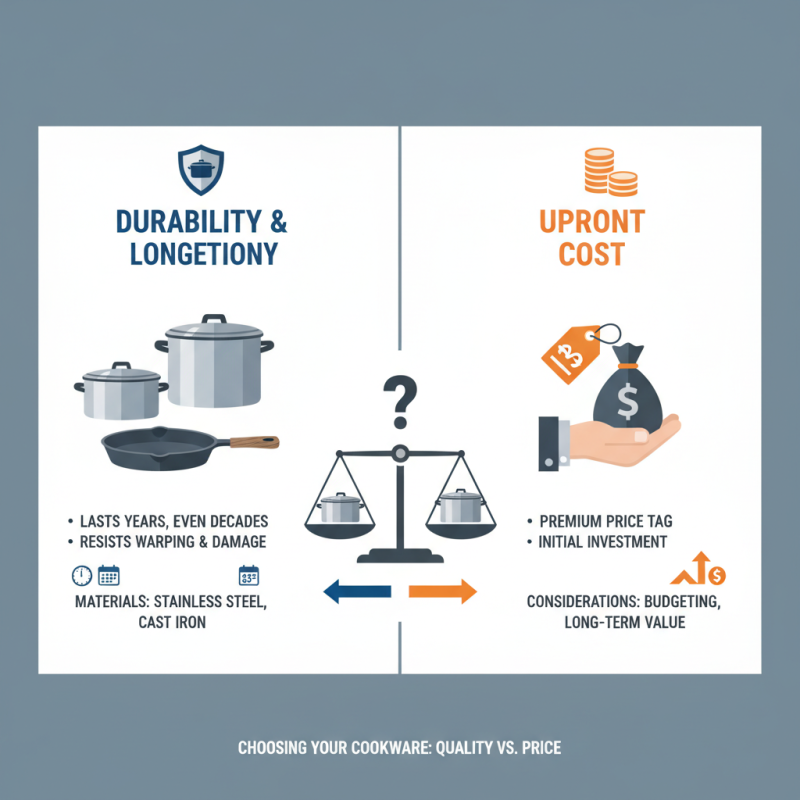
When choosing cookware, durability often weighs heavily against cost. High-quality pots and pans usually come with a premium price tag. Each piece can last for years, sometimes decades, if cared for properly. This is particularly true for materials like stainless steel and cast iron. They withstand heat and resist warping, making them worthwhile investments. However, the upfront costs can be daunting for many cooks.
In contrast, budget-friendly options might save money initially, but they often lack in durability. Non-stick coatings can wear off quickly, leading to a frustrating cooking experience. Cheaper materials may not heat evenly, ruining dishes. Some may opt for affordable cookware for the sake of convenience, only to face issues down the line. A Pots And Pans Review can reveal the hidden costs of going cheap in the long run. Buying a lower-quality set frequently requires replacement, and that ultimately adds up.
It’s essential to evaluate your cooking habits and prioritize accordingly. If you cook often, investing in a solid set may pay off. On the other hand, occasional cooks might find that mid-range cookware strikes the right balance. Finding this balance is crucial. The goal is to own pots and pans that meet your needs without breaking the bank.
: The main focus is on personal development and self-improvement strategies.
Begin by identifying specific goals. Small, actionable steps can lead to significant progress.
Procrastination is common. Fear of failure can also hold people back from taking action.
Setting realistic goals is crucial. It helps maintain motivation and make progress measurable.
Yes, self-reflection encourages critical thinking. It helps in understanding one’s strengths and weaknesses.
Seeking help can provide new perspectives. However, it can be hard to ask for assistance.
Mindset shapes attitudes and influences actions. A growth mindset fosters resilience and adaptability.
Regular evaluation is key. Monthly check-ins can help track improvements and adjust goals.
Yes, setbacks are common. They offer lessons that are essential for personal growth and reflection.
When unmotivated, revisit your goals. Finding inspiration in others’ stories might also help revive motivation.
When it comes to equipping your kitchen, understanding the various types of pots and pans suited to different cooking styles is essential. This article highlights the top ten essential cookware pieces, offering insights into various cooking techniques and their specific requirements. A thorough comparison of materials such as stainless steel, nonstick, and cast iron is provided, emphasizing how each affects heat conductivity and overall cooking performance.
Choosing the right sizes of pots and pans is equally critical, as it can impact your culinary outcomes. Additionally, practical maintenance tips are discussed to ensure the longevity of your cookware, alongside an evaluation of cost versus quality to help you make informed purchasing decisions. By considering these factors, home cooks can enhance their kitchen experience and achieve better results in their culinary endeavors.