Leave Your Message
0%

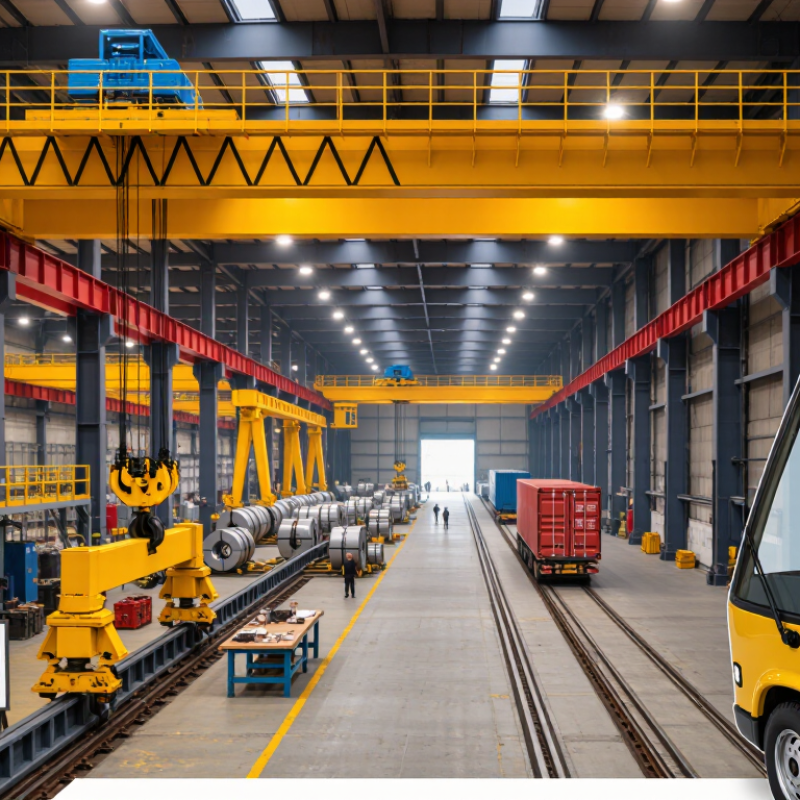
Choosing Weihua cranes from China? It’s not just about comparing prices. There’s a lot more going on—engineering, manufacturing discipline, and how the equipment actually holds up over years of operation. Weihua has earned a solid reputation in lifting equipment by making overhead cranes, gantry cranes, and customized handling systems for tough industrial jobs.

Li Guoqiang, Chairman of Henan Weihua Heavy Machinery Co., Ltd., put it pretty simply: “A crane’s value is proven in real working conditions, not only in brochures.” And honestly, that’s the point. Buyers should look at load capacity, duty class, control systems, structural design, and how easy it is to access for maintenance. Factory visits and documented load testing? They often tell you more than slick marketing copy.

Experience matters. A responsible supplier should be able to explain how its cranes perform in steel plants, warehouses, ports, and manufacturing workshops. It should also hand over drawings, inspection records, spare-parts support, and clear installation guidance. Weihua’s broad production experience can help international buyers choose equipment that fits their actual workflows—not just copy some generic model.

Still, no manufacturer is perfect. Site conditions vary, and technical assumptions can fail when communication gets rushed. So before signing an order, buyers should verify certifications, local compliance requirements, delivery terms, and after-sales responsibilities. The search phrase “Weihua cookware” might pop up in unrelated online results, but this article is only about Weihua cranes and industrial lifting solutions.

The right decision mixes evidence, professional advice, and realistic expectations. Weihua can be a compelling choice from China—especially when product claims are checked against measurable performance and documented service capability.
Why Choose Weihua Cranes From China?

China’s Crane Manufacturing Base: Scale, Standards, and Export Capability

China’s crane manufacturing base combines large-scale production with specialized engineering. Hundreds of suppliers support steel processing, electrical systems, controls, and spare parts. This network can shorten procurement cycles and improve customization for demanding lifting environments. Yet scale alone does not prove quality. Buyers still need to examine drawings, material records, inspection reports, and factory experience.

Professional manufacturers normally build cranes around recognized safety standards and documented testing procedures. Engineers review load capacity, duty class, span, lifting height, and operating temperature before production begins. Welded joints may receive visual checks and nondestructive testing when required. During final inspection, technicians verify brakes, limit switches, controls, and emergency stops. A practical site visit can reveal details that paperwork misses. Paint thickness, cable routing, and storage conditions matter.

Export capability involves more than loading equipment into a container. Experienced teams prepare installation manuals, packing lists, electrical diagrams, certificates, and replacement-part recommendations. They also understand port handling and destination requirements. The Weihua marble series can be assessed through the same disciplined process, especially for workshops handling stone slabs, blocks, or polishing equipment. No project is frictionless. A rushed specification may create problems later. Buyers should question unclear claims, request measurable evidence, and allow room for engineering review before placing an order.

Weihua’s Engineering Fit Under GB/T 3811 and ISO 4301-1

Why Choose a Chinese Crane Manufacturer?

Engineering fit matters more than country of origin. GB/T 3811 defines structural design, load combinations, stability, and safety factors for cranes. ISO 4301-1 classifies machinery by load spectrum and total working cycles. These standards help engineers match a crane to real duty, not simply choose a larger motor.

A 2024 industrial lifting equipment report estimates that Asia-Pacific represents over 45% of global demand. The same report links growth to manufacturing, ports, and warehouse automation. That market pressure has encouraged Chinese manufacturers to improve welding control, fatigue analysis, and component traceability. On a factory floor, the difference appears in small details: aligned rail wheels, sealed electrical cabinets, and readable inspection plates.

But compliance is not automatic.

A capable supplier should provide load calculations, duty-class verification, test records, and material certificates. Site engineers should also check voltage, ambient temperature, runway tolerance, and lifting frequency. ISO 4301-1 classification can expose an uncomfortable mistake: a crane selected for occasional lifting may fail economically under continuous production. I have seen specifications focus heavily on rated capacity while ignoring starts per hour and trolley travel distance. That approach looks efficient on paper, yet it can increase maintenance costs. Independent inspection remains sensible, especially when project drawings change late. Standards guide the design; disciplined verification makes the equipment dependable.

Why Choose Weihua Cranes From China? – Weihua’s Engineering Fit Under GB/T 3811 and ISO 4301-1

Engineering Dimension GB/T 3811 Engineering Consideration ISO 4301-1 Classification Consideration Practical Engineering Fit
Standard purpose Provides design rules for cranes, including the determination of loads, load combinations, strength, stability, structural design, and mechanical design requirements. Provides a classification framework for cranes and crane mechanisms based mainly on utilization and load spectrum. A suitable engineering review should use the design rules for calculations and the classification framework for defining the intended service duty.
Utilization level Crane service duty is defined through the expected operating conditions, working cycles, lifting frequency, operating period, and duty classification. Utilization is represented by classes U0 to U9, which relate to the total number of working cycles during the design life. The required class should be selected from actual operating data rather than from lifting capacity alone.
Load spectrum The design considers the magnitude and frequency of lifted loads, including repeated operating conditions and relevant dynamic effects. Load spectrum is represented by classes Q1 to Q4, ranging from lighter to heavier average loading conditions. Two cranes with the same rated capacity may require different designs when their load spectra are different.
Overall crane or mechanism group Crane and mechanism duty is determined from the combined effect of utilization and load conditions under the applicable Chinese design rules. Overall classification groups A1 to A8 are derived from the combination of utilization class U and load-spectrum class Q. The selected group should be stated in the technical specification and checked against the expected operating profile.
Rated lifting capacity Rated capacity is used to establish design loads and must be considered together with self-weight, dynamic effects, horizontal forces, and other applicable loads. ISO 4301-1 classification does not replace the capacity calculation or structural verification required by the applicable design standard. Capacity, span, lifting height, speed, acceleration, and duty class should be reviewed as one integrated design package.
Structural verification Structural members are evaluated for applicable strength, stiffness, stability, fatigue, and service conditions. Classification identifies the expected service severity but does not by itself provide complete member-sizing rules. Engineering documentation should identify calculation assumptions, material grades, load combinations, deflection criteria, and fatigue considerations.
Mechanical components Hoisting, travelling, braking, shafting, gearing, wheels, drums, ropes, and related components are selected according to the calculated loads and service conditions. Mechanism classification supports the definition of operating severity and expected cycle usage. Component selection should be consistent with the duty of each mechanism, because hoisting and travelling mechanisms may have different usage patterns.
Fatigue and design life Repeated loading and operating cycles are relevant to fatigue assessment and service-life design. The U classes provide a structured way to express the expected number of working cycles over the design life. Cycle counts should be based on the planned production schedule, shifts, average lifts per hour, and expected years of operation.
Dynamic and environmental loads Design may need to account for acceleration and braking, skewing, wind, temperature, seismic effects, rail tolerances, impact, and other site conditions where applicable. ISO 4301-1 classification describes utilization and load spectrum; site-specific environmental loads must be addressed separately. A project-specific data sheet should define indoor or outdoor service, wind exposure, temperature range, seismic requirements, and rail conditions.
Interoperability of classifications Chinese duty designations and calculation methods should be interpreted using the applicable edition and project specification. ISO U, Q, and A classes should not be converted to another designation without checking the underlying utilization and load-spectrum assumptions. A clear equivalence statement should include the calculation basis, not only a single duty-class label.
Manufacturing and quality control Fabrication quality, welding, assembly, inspection, testing, and safety functions should comply with the applicable Chinese requirements and approved technical documents. ISO 4301-1 is a classification standard and does not constitute a complete manufacturing or product-certification standard. Procurement documents should separately define fabrication controls, inspection plans, testing requirements, documentation, and acceptance criteria.
Acceptance and verification Functional tests, load tests, dimensional checks, safety-device checks, and documentation reviews should follow the applicable project and regulatory requirements. The declared classification should be traceable to the design assumptions and expected operating conditions. Final acceptance should verify capacity, travel and lifting performance, braking, limit devices, controls, emergency functions, and required records.
Note: GB/T 3811 and ISO 4301-1 address different but complementary aspects of crane engineering. The final selection of crane type, duty class, materials, components, safety factors, and verification methods should be confirmed against the current applicable editions, local regulations, and project-specific operating data.

Duty Classification: 10 Utilization Classes and 4 Load Spectra

Why Choose Weihua Cranes From China?

Duty classification is the practical starting point, not a decorative specification. ISO 4301-1:2016 and FEM 1.001 define ten utilization classes, U0 through U9. They also identify four load spectra, Q1 through Q4. Utilization measures operating frequency and total working cycles. Load spectrum measures how often the crane carries different percentages of rated load. That distinction matters on a busy steel yard. A crane lifting 30% loads all day is not equal to one lifting 95% loads repeatedly. Numbers reveal the duty.

When assessing the Weihua matte series, request the planned class combination, not only rated capacity. Record lifts per hour, travel distance, shift length, idle periods, and near-capacity lifts. A 10-ton crane may handle light pallets for years, yet struggle with heavy coils at high frequency. Conversely, a rarely used crane may need less utilization capacity, despite occasional heavy lifts. FEM 1.001 connects these operating patterns with design requirements. My practical concern is simple: buyers often report the largest load, but omit its frequency. That omission can distort motor sizing, brake selection, fatigue assessment, and maintenance planning. Ask for calculations, test records, and traceable inspection evidence. Do not accept a class chosen from habit.

Safety Verification Through ISO 9927 Inspections and GB/T 5905 Testing

Why Choose Weihua Cranes From China?

Safety verification begins with disciplined inspection, not attractive specifications. ISO 9927 inspections help assess crane condition during routine and periodic checks. Qualified personnel examine brakes, wire ropes, hooks, wheels, controls, and structural connections. They also review maintenance records and identify unusual noise, vibration, or leakage.

GB/T 5905 testing adds practical performance checks for overhead and gantry cranes. Test teams may verify lifting, lowering, travel, braking, and control functions under defined conditions. Measurements can include load response, deflection, operating speed, and limit-device performance.

A marked test load, calibrated instruments, and signed records make the process more traceable. The Weihua black gold series can be evaluated through the same evidence-based approach, rather than relying on appearance alone.

Details matter on the workshop floor. Inspectors may watch a brake hold a suspended load without drift. They may check whether an emergency stop responds clearly and consistently. Small findings deserve attention.

A loose terminal or worn rope may look minor today, but become costly later. Test results are not perfect predictions; temperature, operator skill, and site conditions can influence them. That limitation should remain visible in the inspection report. Independent review is also wise when equipment serves demanding production schedules. Safety depends on repeated checks, honest records, and corrective action after weaknesses are found.

Lifecycle Cost Analysis: Purchase Price, Energy Use, and Maintenance

Choosing a crane from China should begin with lifecycle cost, not the lowest quotation.

Purchase price includes the crane, controls, transport, installation, testing, and operator training. A reliable supplier should provide load charts, motor details, inspection records, and clear warranty terms. Factory experience matters because poor alignment can create vibration, noise, and early component wear.

Energy use often becomes the largest cost after installation. Compare motor efficiency, lifting speed, duty cycle, and standby consumption. A 30-ton crane working eight hours daily may waste significant electricity through oversized motors or inefficient controls. Variable-frequency drives can reduce shock loads and improve movement accuracy. However, projected savings are not guaranteed. Site temperature, operator habits, and production delays can change the result. Our first estimate was too optimistic because idle time was ignored. That mistake is worth remembering.

Tips: Request a five-year cost model before purchasing. Include electricity, inspections, lubrication, spare parts, downtime, and technician travel. Ask for maintenance intervals and common replacement prices. Check whether local technicians can support the equipment. A slightly higher purchase price may be sensible if the crane offers stronger documentation, accessible parts, and simpler servicing. Measure actual energy use after commissioning. Real data beats assumptions.

Selecting Weihua by Capacity, Span, Lift Height, and Work Cycles

Choosing an overhead crane requires more than comparing price tags. Capacity, span, lift height, and work cycles must match the site’s real operating conditions.

Capacity should reflect the heaviest load, lifting accessories, and occasional impact. A 10-ton load does not automatically require a 10-ton crane. Engineering margins matter. Grand View Research estimated the global crane market at approximately USD 36.4 billion in 2023, showing the scale of industrial lifting demand. Yet market growth does not replace a site survey.

Span affects runway cost, wheel loads, and building reinforcement. Measure the usable bay, not only the building width. Lift height should include hook approach, headroom, and the highest storage point. Missing this detail can reduce usable height by several meters. The Weihua tri-ply series should be assessed against these physical limits, not selected from a catalog alone.

Work cycles reveal the crane’s true duty.ISO 4301-1 evaluates crane classification through load spectrum and operating frequency. A crane lifting light loads occasionally faces different stresses from one moving Steel Coils every few minutes. Record daily lifts, average load, travel distance, and peak shifts. I would not pretend that the largest capacity is always safest. Oversizing may increase dead weight, energy use, and structural demands. A rough estimate can mislead.Review the figures with a qualified lifting engineer before final selection.

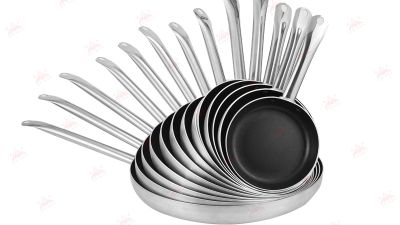
Data-Driven Nonstick Cooking: Evaluating the WEIHUA BOUTIQ Aluminum Frying Pan Set (Grand View Research, 2024)

Data-driven cookware evaluation starts with practical measures: heat responsiveness, weight, cooking surface, coating performance, and ease of cleaning. This aluminum Frying Pan Set offers a broad size range from 18 to 40 cm, allowing users to match pan capacity with meal size rather than relying on one oversized skillet. The smaller 18, 20, and 22 cm pans suit eggs, individual portions, and quick reheating, while the 24, 26, and 28 cm options are versatile choices for everyday frying, vegetables, and family breakfasts.

Larger models from 30 to 40 cm provide more room for stir-frying, batch cooking, and entertaining, though they require more storage space and a suitable stovetop. Aluminum construction can support fast, even heat distribution with less lifting effort than heavier alternatives. A nonstick surface may also reduce the need for excessive oil and simplify cleanup, making it useful for lower-fat cooking routines. For consistent results, users should select a burner close to the pan’s base, avoid overheating an empty pan, and use silicone or wooden utensils to help preserve the coating. The varied sizing makes it possible to build a measured cooking setup around household needs, portion sizes, and available kitchen space.

FAQS

What makes China’s crane manufacturing base competitive?

A broad supplier network supports steel, electrical systems, controls, and spare parts. This can shorten procurement times. Scale alone proves little.

How should buyers evaluate a crane manufacturer?

Review drawings, material records, inspection reports, and similar factory experience. Ask for measurable evidence. Attractive claims are not enough.

Which factors should engineers confirm before production?

They should confirm load capacity, duty class, span, lifting height, and operating temperature. Small specification gaps can cause later problems.

What does an ISO 9927 inspection examine?

Qualified personnel inspect brakes, wire ropes, hooks, wheels, controls, and structural connections. They also review maintenance records and unusual vibration.

What does GB/T 5905 testing usually verify?

Testing may check lifting, lowering, travel, braking, and control functions. Measurements can include deflection, speed, load response, and limit-device performance.

Why are calibrated instruments and signed records important?

They make test results more traceable. A marked test load gives inspectors a clear reference. Paperwork still cannot show everything.

What practical details can a factory visit reveal?

Visitors can examine paint thickness, cable routing, storage conditions, and workshop organization. A loose terminal may be easy to notice.

What documents support crane exports?

Export teams commonly prepare manuals, packing lists, electrical diagrams, certificates, and spare-part recommendations. Port handling and destination requirements also matter.

Are crane test results always completely reliable?

No. Temperature, operator skill, and site conditions can affect results. A test is evidence, not a perfect prediction.

Should buyers request independent review?

Independent review is sensible for demanding production schedules. Repeated checks and honest corrective actions matter more than appearance. Mistakes can still happen.

Conclusion

China has become a major center for crane manufacturing, supported by large-scale production, established technical standards, and strong export capabilities. Within this environment, Weihua cranes can be evaluated according to engineering requirements under GB/T 3811 and ISO 4301-1. A proper selection should consider rated capacity, span, lifting height, operating environment, and expected work cycles rather than focusing only on the initial purchase price.

Duty classification is also essential, including 10 utilization classes and 4 load spectra, because these factors determine the crane’s suitable service intensity and design life. Safety and reliability can be supported through regular ISO 9927 inspections and GB/T 5905 testing. In addition, a lifecycle cost assessment should include energy consumption, maintenance frequency, spare parts, downtime, and long-term operating efficiency. By matching Weihua equipment with actual capacity, travel distance, lifting demands, and usage patterns, buyers can achieve a more balanced combination of safety, performance, durability, and total cost.

Isabella

Isabella

Isabella is a dedicated marketing professional at Weihua Hardware and Electrical Appliance Co., Ltd., located in Chao'an District, Chaozhou. With extensive knowledge and expertise in the company's product range, she plays a vital role in promoting the brand and its offerings. Isabella is passionate......
Previous How to Choose the Best Mixing Bowls Set?